Ecolandscape Studio notes that modern cities create invisible pressure on the human psyche: noise, hurry, digital overload, and lack of contact with nature become factors of chronic stress. In such conditions, landscape design ceases to be merely an aesthetic or functional task. It becomes a tool for improving mental health, emotional restoration, and stress prevention.
Spaces designed with psychological, sensory, and ecological principles in mind help people not only to relax but also to actively restore cognitive functions, enhance concentration, and experience a sense of harmony.
Sensory Trails
Sensory trails create the effect of full immersion in the natural environment. Unlike ordinary walking paths, they are designed to stimulate all the senses and actively engage people with the space.
Visual impressions are formed through color contrasts, seasonal accents, and the play of light and shadow. The sound environment is created using water features, the rustling of leaves, and noise-absorbing plants. Tactile experiences are enhanced by a variety of textures: wood, stone, soft grass, pebbles, and sensory elements. Aromatic flora lavender, lemon balm, rosemary, and citrus triggers positive emotional reactions and reduces stress levels.
Research shows that regular walks along sensory trails lower cortisol levels, improve mood, and help restore attention. According to Martina Palma, founder and CEO of Ecolandscape Studio, observing how people interact with nature inspired him to integrate sensory and meditative elements into all studio projects: “I realized that a well-designed garden can not only please the eye but also truly restore a person’s emotional state.”
Meditative Zones
Meditative zones are created for solitude and inner calm. They are designed to evoke a sense of safety while maintaining a connection with the surrounding environment.
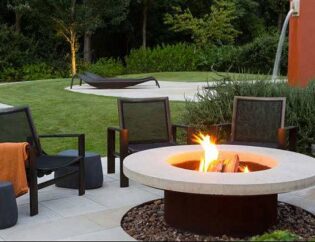
These zones use natural materials such as wood, stone, and water. The design is minimalist, with soft lines and shapes, avoiding excessive decorative elements. Water features, silence, and ergonomic infrastructure benches, secluded corners, and gentle lighting play an important role.
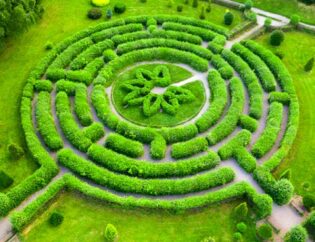
Successful examples of meditative zones include shrub labyrinths, yoga and breathing practice areas, and quiet corners in city parks where visitors can spend time in reflection or meditation. These spaces have been shown to reduce anxiety, restore cognitive functions, and improve emotional well-being.
Therapeutic Flora
Plant selection is a fundamental element of therapeutic landscape design. Flora determines the visual and emotional impact of a space, creates an ecologically sustainable environment, and helps reduce maintenance costs.
Lavender, lemon balm, and rosemary have a calming effect, while mint and citrus plants increase focus and energy. Perennial plants with varied textures create visual interest and a sense of harmony. Using native species reduces the need for complex maintenance, supports biodiversity, and fosters a resilient ecosystem.
In Ecolandscape Studio projects, therapeutic flora is chosen according to the season, local climate, and psychophysiological effects of plants, creating spaces that promote emotional health year-round.
Scientific Basis and Project Examples
Scientific research confirms that spending time in green environments reduces stress levels, restores attention, and improves cognitive functions. A notable example is the Healing Garden at Cleveland Clinic (USA), where reduced stress indicators among patients and staff have been documented.
The Japanese practice of Shinrin-yoku (“forest bathing”) demonstrates the positive effects of direct contact with nature on emotional health, immunity, and psychophysiological well-being.
In Europe and other countries, therapeutic gardens are being created in urban parks, hospitals, and rehabilitation centers. These spaces combine meditative zones, sensory trails, and flora with proven therapeutic effects, providing comfortable and safe conditions for visitors’ emotional recovery.
Therapeutic landscape design is a necessity in modern cities. Sensory trails, meditative zones, and thoughtfully chosen flora create spaces where people can restore themselves, reduce stress, and experience harmony.
Ecolandscape Studio integrates scientific research, functionality, and aesthetics, transforming each project into a space that heals, inspires, and enhances quality of life. According to Martina Palma, personal observation of people interacting with nature has been the studio’s main source of inspiration: “We design each garden to help people feel better, calmer, and more harmonious in the modern city.”