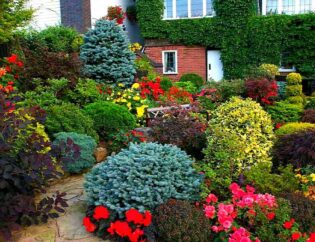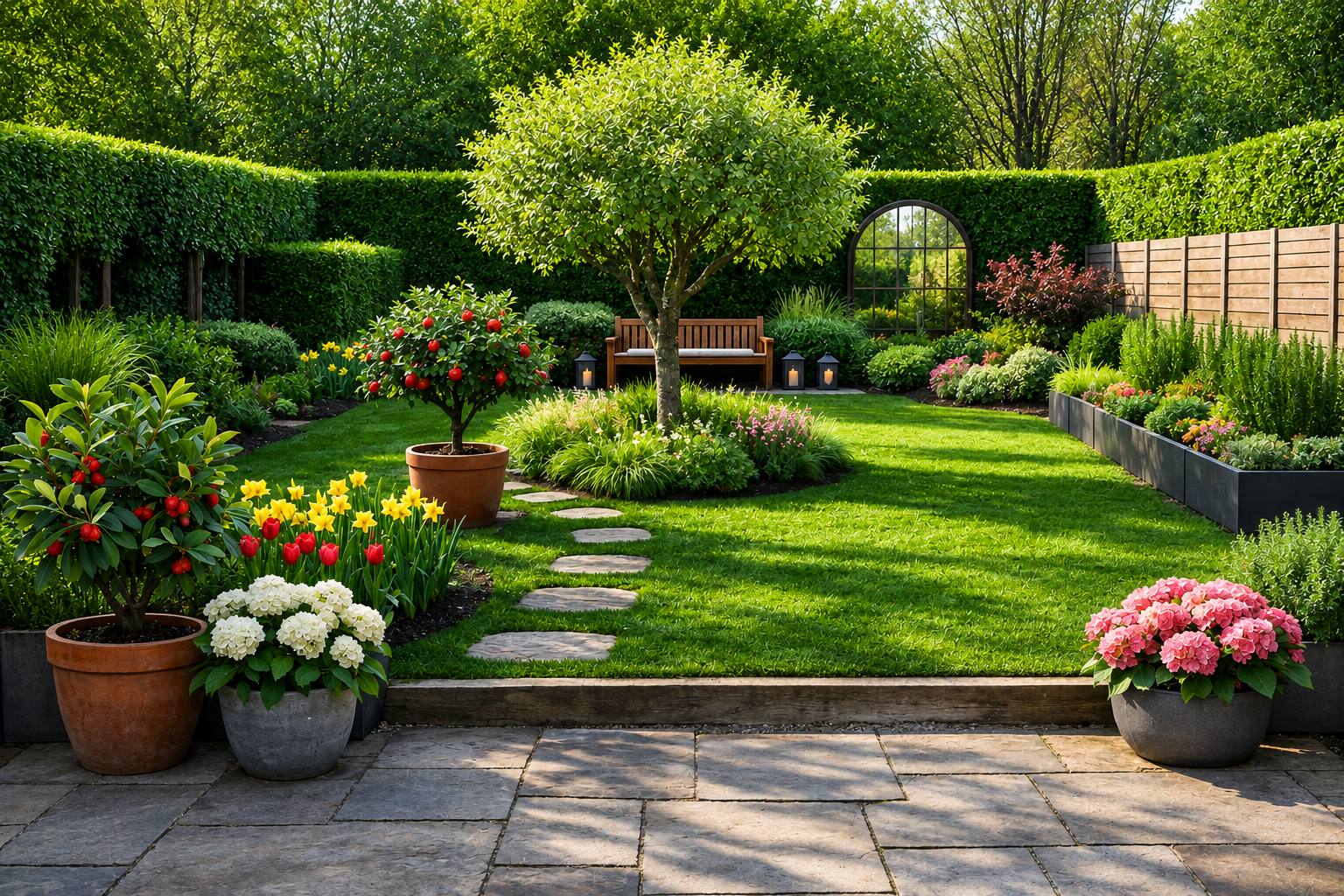
The concept of safety in a space is no longer defined solely by surveillance cameras, security personnel, or engineered access control systems. Modern perceptions of safety are formed on a much deeper level – through visual interpretation of the environment, intuitive feelings, and subconscious evaluation of the surrounding space. Within seconds, a person can determine whether a place inspires trust, creates a sense of protection, and provides inner comfort. Martin Palma, founder and CEO of Ecolandscape Studio, emphasizes that landscape architecture directly influences how people perceive a space even before they consciously analyze its characteristics. That is why well-executed landscape design today is not only a tool of aesthetics, but also a crucial element in shaping a sense of security.
The psychology of spatial perception operates faster than rational thinking. The brain instantly reads signals from the environment – lighting levels, visibility of movement routes, presence of visual barriers, navigation quality, and the degree of spatial predictability. When a space feels chaotic, overloaded, or visually opaque, a person’s internal tension rises, even when no objective threat exists. On the other hand, a well-structured environment reduces anxiety and helps create a stronger sense of control. Specialists at Ecolandscape Studio analyze user spatial behavior and note that environmental predictability has become one of the key factors of psychological comfort.
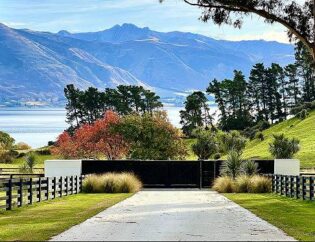
One of the most important elements is visibility. People feel significantly calmer in environments where they can easily read the space around them. Thoughtfully designed pedestrian routes, open visual corridors, strategic placement of greenery, and the absence of blind spots create a sense of clarity and security. Even landscaping requires a delicate balance. Overly dense planting can visually burden the environment and create a sense of isolation, while properly organized landscape design preserves privacy without sacrificing visibility. At Ecolandscape Studio, we analyze modern urban environments and observe that effective landscape design always works with a balance between openness and privacy, creating a comfortable perception of space across different usage scenarios.
Lighting is another highly influential factor. In landscape architecture, light affects not only the visual aesthetics of a property at night but also the overall feeling of protection. Poorly lit routes, harsh contrasts between light and shadow, or low readability of space can significantly increase anxiety. High-quality landscape lighting should create a balanced visual environment where people can navigate easily and feel in control of their surroundings. Specialists at Ecolandscape Studio note that lighting scenarios can dramatically transform the perception of the same space, turning it either into a comfortable environment or into a source of hidden stress.
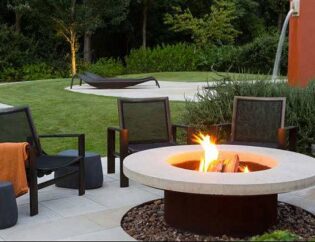
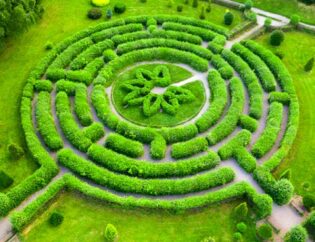
Spatial zoning also plays a major role. Spaces where it is intuitively clear where active circulation routes are located, where private relaxation areas exist, and where social gathering points are positioned are perceived as significantly safer. Clear spatial logic reduces cognitive load and makes interaction with the environment feel natural. At Ecolandscape Studio, we believe that high-quality landscaping should create not only visual beauty but also a clear behavioral logic that helps people feel confident in every part of the environment.
From a commercial perspective, the feeling of safety directly influences the market value of a property. Residential, hospitality, and commercial projects with a high level of psychological comfort are perceived as more premium, generate greater trust, and create stronger emotional attachment. At Ecolandscape Studio, we see landscape architecture as a powerful tool for creating environments where safety feels natural – not through visible demonstrations of protective systems, but through intelligent spatial design. These are the projects that inspire trust, strengthen user loyalty, and create higher long-term value.