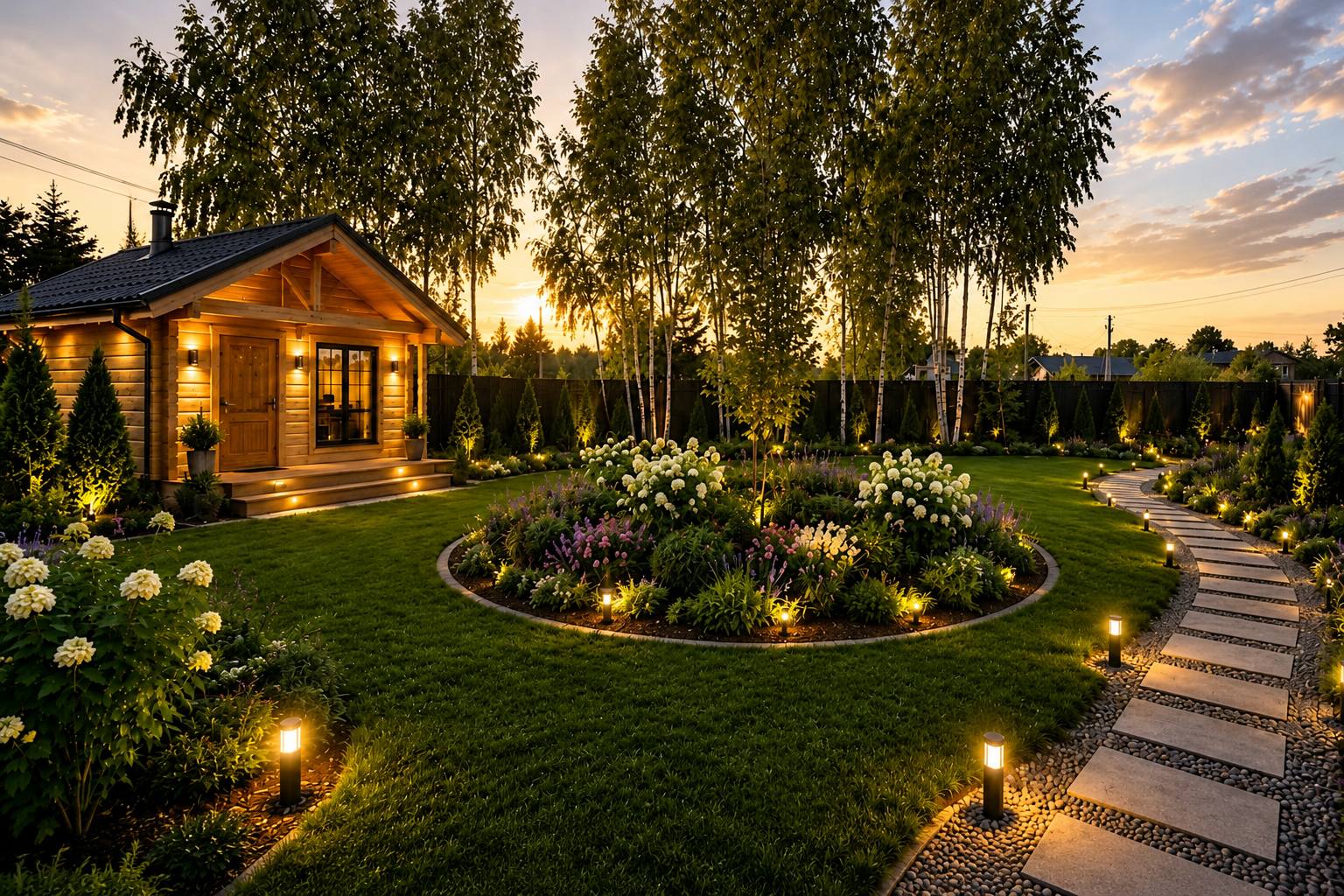
Modern premium design is becoming less focused on short-term wow effect and increasingly centered on a space’s ability to preserve value, aesthetics, and relevance over time. In a market where real estate is becoming more mature and client expectations continue to rise, one of the most important indicators of quality is no longer just how impressive a project looks on delivery day, but how it will perform visually and functionally in 5, 10, or even 20 years. Martin Palma, founder and CEO of Ecolandscape Studio, believes that true premium value reveals itself through an environment’s ability to age beautifully, evolve naturally, and maintain a sense of quality regardless of time. This is why longevity is no longer merely a technical advantage but has become a new aesthetic and investment category in landscape architecture.
Beautiful aging never happens by accident. It is built into a project from the conceptual stage through strategic design decisions. Materials selected purely for visual effect may quickly lose their appeal under the influence of climate, usage, and time. By contrast, materials with strong natural aging potential often gain depth, character, and visual richness over the years. Natural stone, high-quality wood, premium metals, and durable surfaces frequently become more expressive through use rather than less. Specialists at Ecolandscape Studio analyze modern premium projects and note that longevity is increasingly understood not as preserving a perfect “brand-new” appearance, but as allowing a space to become visually richer over time.
The use of plant material plays an equally important role. In landscape architecture, a project is never static – it constantly evolves together with nature. Plants grow, tree canopies expand, and seasonal transformations continuously reshape the perception of a space. This is why premium landscape design requires long-term thinking. It is not enough to create a beautiful composition at the moment of project completion – it is essential to understand how the environment will look a decade later. At Ecolandscape Studio, we analyze how plant systems develop over time and observe that truly outstanding projects are designed in four dimensions – including time as a full design element. This fundamentally changes the way environments are created.
Longevity is also closely connected to the rejection of excessive trend dependence. Spaces built around fast-changing design trends often lose relevance much faster than environments based on timeless principles. True premium design relies on proportion, balance, material quality, natural harmony, and sustainable spatial logic. Such solutions remain relevant regardless of changing visual trends. Specialists at Ecolandscape Studio note that in the premium segment, longevity increasingly means a project’s ability to remain aesthetically relevant without requiring frequent radical redesign.
From a commercial perspective, longevity has become a powerful value driver. Spaces that age beautifully retain market value more effectively, require fewer costly large-scale renovations, and preserve premium positioning over the long term. This is especially important in luxury residential, hospitality, and mixed-use developments, where environmental quality directly affects brand perception and asset value. At Ecolandscape Studio, we believe that investing in long-lasting design is an investment not only in aesthetics but also in future capitalization. A space should contribute to an asset’s value not for a single season, but for decades.
The market is increasingly moving toward the understanding that true luxury is measured not by instant visual impact but by quality that withstands time. At Ecolandscape Studio, we see this as a fundamental transformation in premium design, where longevity becomes a new form of luxury. The spaces of the future are spaces that do not fear time, but become better because of it – preserving aesthetic strength, emotional value, and commercial attractiveness for many years.









