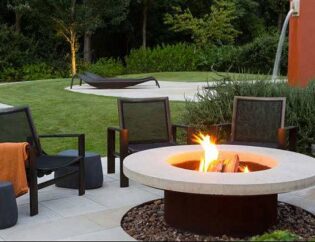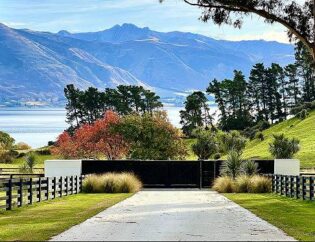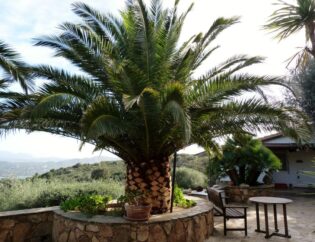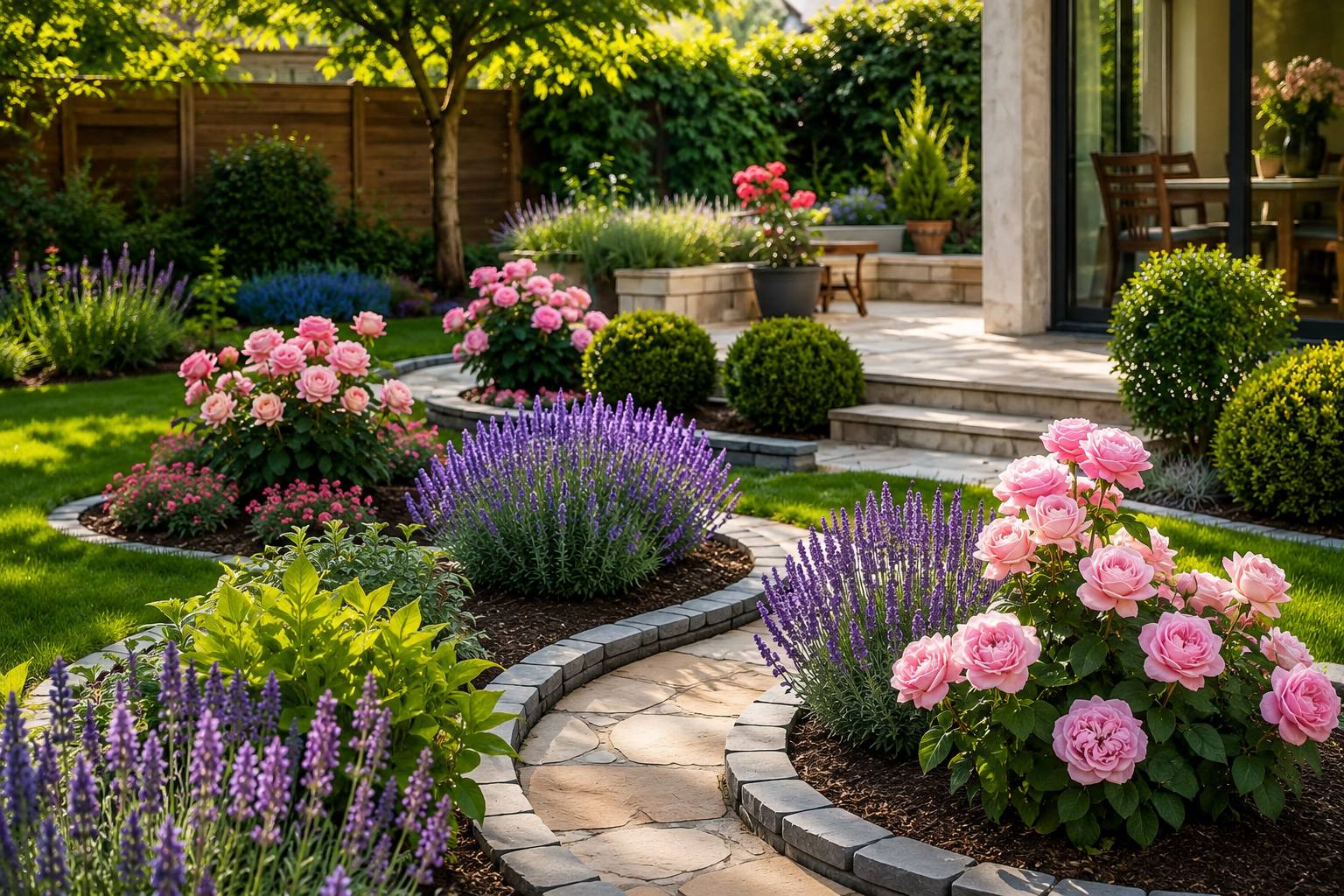
The modern understanding of premium space is rapidly expanding beyond visual aesthetics. Today, luxury is increasingly defined not only by how a property looks, but by how it physically feels in everyday life. Air temperature, the amount of natural shade, airflow movement, humidity, and the overall sensation of climatic comfort are becoming essential components of user experience. Martin Palma, founder and CEO of Ecolandscape Studio, analyzes this transformation as one of the key shifts in modern development – truly premium projects are no longer designed solely around visual impact, but around comfort on every level of perception. This is why microclimate is becoming a new form of luxury, directly influencing environmental quality and property value.
Most people perceive thermal comfort only through thermometer readings, yet the actual experience of temperature is far more complex. The so-called perceived temperature can differ from the real air temperature by several degrees. The same 30°C day may feel relatively comfortable or extremely exhausting depending on the amount of shade, airflow circulation, solar heat reflection from surfaces, and humidity levels. A space without a thoughtful climate strategy begins to work against people, increasing physical fatigue and reducing overall comfort. Specialists at Ecolandscape Studio analyze the impact of environmental conditions on spatial perception and note that high-quality landscape design can dramatically transform thermal experience without changing the actual air temperature.
One of the most powerful tools for controlling microclimate is shade. However, in premium landscape design, shade is not viewed merely as protection from the sun, but as a strategic component of spatial planning. Trees with carefully calculated canopy structures, layered planting systems, pergolas, vertical greenery, and architectural shading elements create zones of natural cooling that significantly reduce heat stress on the body. Balance between open and shaded areas is especially important. A space should remain bright and visually open while still allowing people to intuitively choose the most comfortable thermal scenario. At Ecolandscape Studio, we analyze site-specific climate scenarios and observe that a well-designed shading system can transform the perception of an outdoor environment more effectively than many expensive engineering solutions.
Airflow management is another critical factor. Even at high temperatures, a space can feel comfortable when natural ventilation functions properly. Poorly planned dense development, mistakes in spatial zoning, or incorrectly positioned green masses can block airflow and create pockets of stagnant hot air. By contrast, intelligent work with orientation, vegetation height, and corridor planning helps form natural air movement channels. Specialists at Ecolandscape Studio note that airflow design is becoming an increasingly important part of premium projects because air movement strongly affects whether a space feels alive, fresh, and comfortable.
Materials also have a major influence on microclimate. Surfaces with high heat absorption can accumulate solar energy and significantly raise the perceived temperature of the surrounding environment. Asphalt, dark stone, and overheated concrete can create a heat island effect even in visually attractive spaces. This is why material selection in premium landscaping extends far beyond aesthetics. At Ecolandscape Studio, we believe material strategy should consider not only visual appearance but also the thermal performance of surfaces. Reflective finishes, natural materials, and green masses help significantly reduce overheating and improve overall environmental comfort.
From a commercial perspective, microclimate has become a powerful value driver. Spaces where people physically feel comfortable are perceived as more premium, create stronger emotional attachment, and significantly increase the perceived value of a property. This is especially important for luxury residential, hospitality, and mixed-use developments, where outdoor experience becomes part of the project’s overall value proposition. At Ecolandscape Studio, we see microclimate management as the future of premium landscape design, where luxury is measured not only by visual beauty, but by a space’s ability to create natural comfort that people can feel with every part of their body.