In modern development and landscape architecture, there is a common misconception that the value of a space is directly linked to the number of elements filling it. Developers often try to maximize every square meter by adding decorative features, complex planting compositions, small architectural forms, and numerous functional zones. However, premium design is increasingly moving in the opposite direction. True luxury is often expressed not through abundance, but through precision in choosing what truly deserves to exist within a space. Martin Palma, founder and CEO of Ecolandscape Studio, sees this as one of the most underestimated principles of contemporary landscape architecture – thoughtfully designed emptiness can create more value than visual overload. That is why negative space has become an important tool for shaping premium environments.
Negative space does not mean the absence of design, nor does it simply refer to empty land. It is the intentionally preserved space between environmental elements that allows architecture, landscape, and people to interact more naturally. Emptiness creates visual breathing room, reduces sensory overload, and strengthens the perception of key focal points. When every square meter is filled with details, the space begins competing with itself for attention. As a result, visual hierarchy disappears, along with the sense of harmony. Specialists at Ecolandscape Studio analyze user behavior across different environments and note that spaces with a carefully balanced relationship between density and emptiness are perceived as more refined, calmer, and architecturally mature.
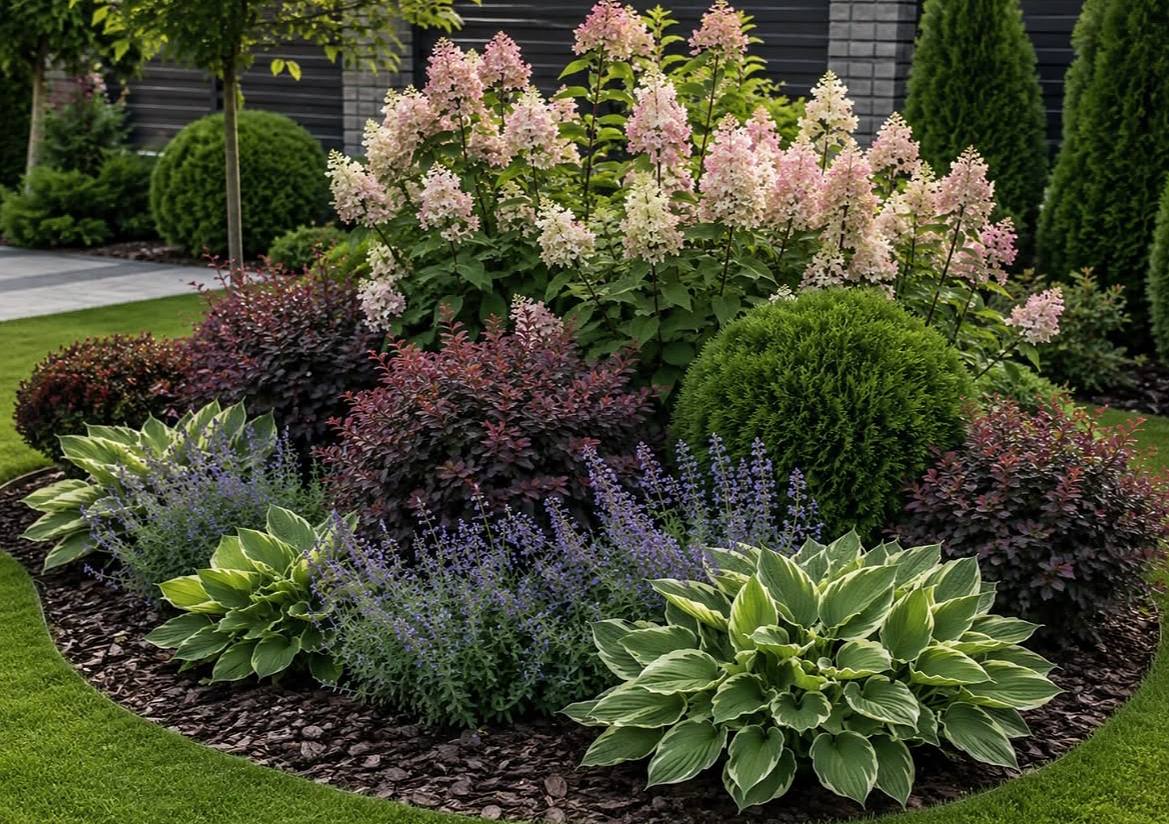
From the perspective of human perception, emptiness plays a critical role. The brain constantly processes enormous amounts of visual information. The more objects, forms, textures, and details simultaneously occupy the field of vision, the greater the cognitive load becomes. Overly saturated spaces create fatigue more quickly, even when they appear visually expensive. By contrast, controlled emptiness reduces visual noise and allows people to process their surroundings more easily. This creates a stronger sense of order, clarity, and inner calm. At Ecolandscape Studio, we analyze spatial perception and observe that the space between objects often defines the emotional quality of an environment more powerfully than the objects themselves.
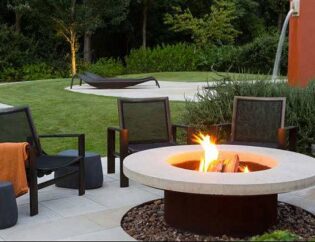
Negative space becomes especially important in premium and luxury projects, where quality is communicated through refinement rather than demonstration. High-level design rarely requires constant visual proof of its value. In fact, the strongest projects often appear restrained, leaving room for light, air, and architectural rhythm. Spacious open lawns, minimalist water surfaces, clean pathways, and carefully positioned greenery create a feeling of confidence and sophistication. Specialists at Ecolandscape Studio note that the ability to intentionally leave parts of a space unfilled requires far greater professional control than the instinct to fill every area with design elements.
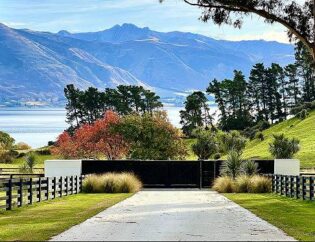
Negative space also amplifies architectural focal points. When enough visual air surrounds a focal element, the viewer’s attention naturally moves toward what matters most. This focal point may be a tree, a sculptural object, an entrance sequence, or a panoramic view. Emptiness functions as a compositional tool, making important elements more expressive. We believe that premium landscape design is built not only through the creation of physical elements, but also through deliberate work with the pauses between them. These pauses create spatial rhythm and generate a sense of visual luxury.
From a commercial perspective, skillful use of negative space directly influences a project’s perceived value. Environments that feel open, balanced, and breathable are often perceived as more prestigious and premium. They inspire greater trust, remain more memorable, and generate stronger emotional responses from buyers. At Ecolandscape Studio, we see negative space as a powerful tool in modern landscape architecture, enabling the creation of environments where luxury is felt not through excess, but through confident restraint. That is why emptiness sometimes becomes the most valuable design element of all – because it allows a space to breathe, and gives people the opportunity to truly feel it.