Modern real estate is no longer evaluated solely through building architecture, layouts, location, and technical specifications. The market is gradually shifting toward a deeper understanding of value, where importance lies not only in the property itself, but also in the experience people gain around it. Outdoor experience has become a full part of real estate value because the external environment shapes first impressions, emotional perception, and everyday interaction with a project. Martin Palma, founder and CEO of Ecolandscape Studio, analyzes this shift as one of the key indicators of mature development – strong projects today sell not only square meters, but also quality of life, which begins beyond the walls of the building.
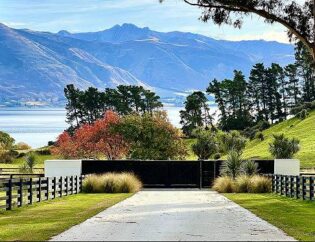
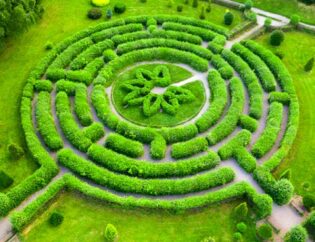
The external environment functions both as an extension of architecture and as an independent tool for creating value. Buyers or users begin interacting with a project long before entering the interior – through access routes, entrance zones, landscaping, lighting, private courtyards, walking paths, and relaxation areas. These elements shape the perception of a property’s level long before any rational evaluation of its advantages begins. If the outdoor environment feels random, weak, or secondary, the project loses part of its persuasive power. Specialists at Ecolandscape Studio analyze market perception and note that projects with strong external environments build trust faster and are perceived as more mature, thoughtfully designed, and more expensive.
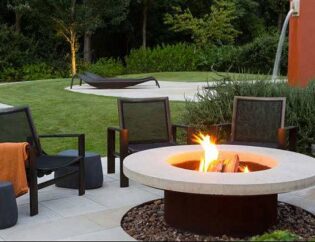
Outdoor experience is especially important because modern buyers increasingly choose not just real estate, but a lifestyle. Residential, hospitality, and mixed-use projects no longer compete only through square footage, facades, or infrastructure, but through the quality of everyday life scenarios. Where does a person unwind after work? How do they move from the entrance to their home? Is there space for silence, social interaction, recovery, or private time in nature? These details shape emotional attachment to a property and make a project less replaceable in the market. At Ecolandscape Studio, we analyze user scenarios and observe that thoughtful landscape design can transform an external territory into a major purchasing argument rather than merely decorative support for a building.
From an investment perspective, the external environment directly influences perceived value. High-quality landscaping elevates the sense of class, strengthens the developer’s brand, and supports premium positioning. This becomes especially important in highly competitive markets, where many projects offer similar layouts, materials, and locational advantages. Outdoor experience creates the differentiation that people feel instantly. Specialists at Ecolandscape Studio note that a strong landscape concept makes a property more memorable, increases audience trust, and improves willingness to pay for the project as a whole.
It is equally important that investments in outdoor experience create value not only at the point of sale, but over the long term as well. Spaces that preserve aesthetic strength, usability, and emotional value support property capitalization more effectively. They increase resident loyalty, strengthen the attractiveness of hospitality projects, and generate more sustainable demand for mixed-use developments. At Ecolandscape Studio, we believe the external environment should be designed as a long-term asset capable of contributing to real estate value for years, rather than simply creating a beautiful image on presentation day.
Today, the market increasingly shows that strong projects begin not at the front door, but much earlier – at the first moment of human interaction with the environment. That is why investments in outdoor experience are becoming a strategic decision rather than an optional expense. At Ecolandscape Studio, we see landscape architecture as one of the key tools for increasing real estate value, where the external environment becomes not a background element, but a core part of the product capable of influencing demand, trust, emotional perception, and the long-term commercial resilience of a project.