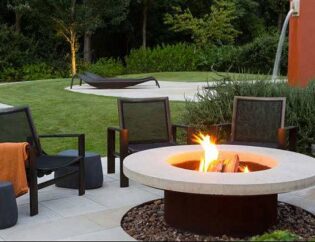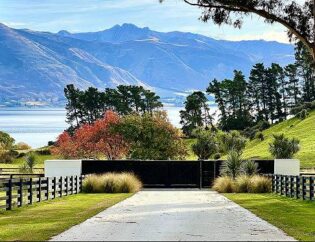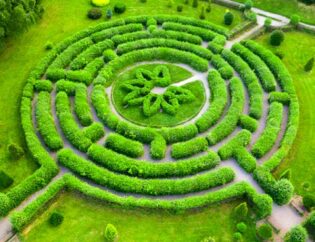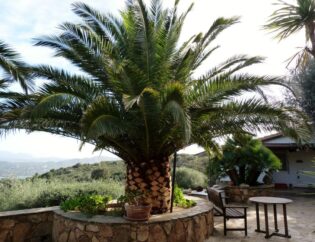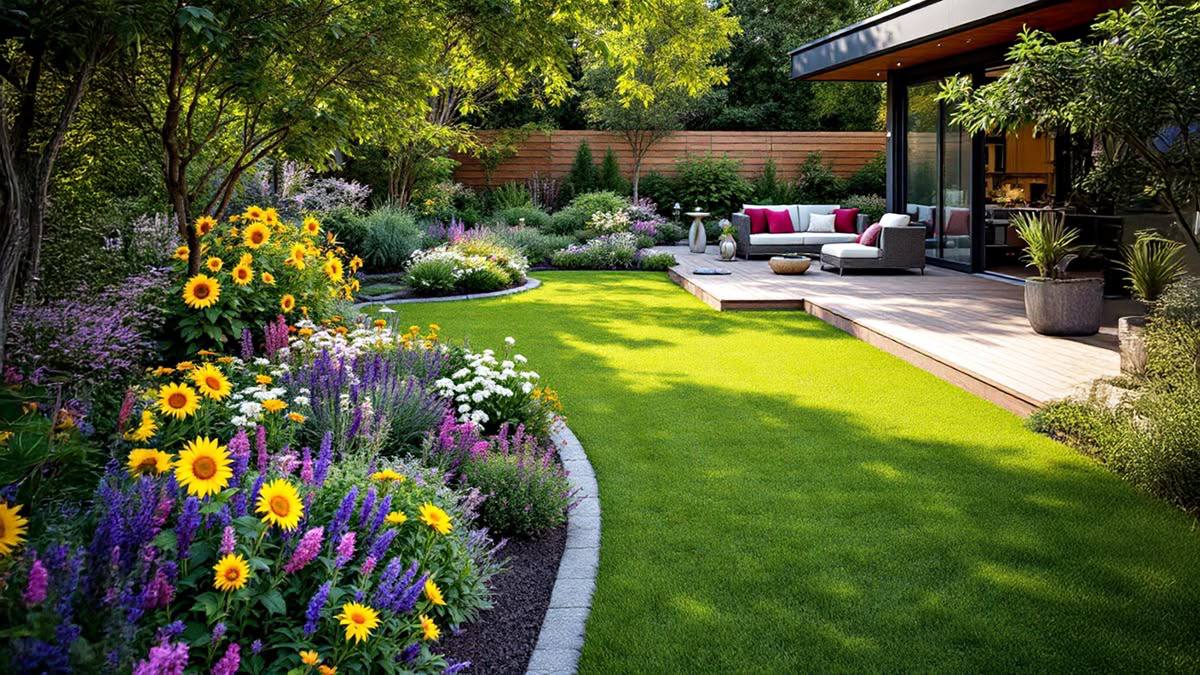
In premium development, there is an important paradox – the higher the level of a project, the less it tends to appear visually complex. High-end spaces do not overwhelm users with excessive details, decorative gestures, or visual effects. Instead, they create a sense of calm, confidence, and natural completeness. Martin Palma, founder and CEO of Ecolandscape Studio, notes that true premium landscape design rarely showcases complexity directly – it hides that complexity behind precision, restraint, and an appearance of effortless simplicity. This is why minimalism in landscape architecture is not a rejection of expressiveness, but rather one of the most sophisticated forms of professional control over space.
The mistake of many projects lies in trying to prove high value through excess. The more materials, decorative zones, plant varieties, and visual accents added to a site, the greater the risk of losing spatial coherence. Instead of looking more expensive, the environment begins to feel visually noisy. Premium quality is perceived differently – through proportions, pauses, line quality, precision of planting, clarity of movement routes, and harmony between architecture and nature. Specialists at Ecolandscape Studio analyze modern premium environments and note that the most convincing projects are often built not on the quantity of design decisions, but on the strength of selection.
Minimalism requires significantly greater professional mastery than visual saturation. When there are fewer elements, each one becomes far more noticeable. A mistake in scale, material choice, planting height, or route direction can immediately disrupt the balance of the entire composition. In a visually overloaded environment, weaknesses may disappear among countless details, but in a minimalist space there is nowhere to hide poor decisions. At Ecolandscape Studio, we analyze minimal landscape design as a discipline of high precision, where every element must have a clear function, visual weight, and emotional meaning. This is why apparent simplicity is often the result of extremely complex design work.
Negative space plays a particularly important role. The space between objects creates a sense of air, scale, and visual silence. In premium projects, emptiness is not perceived as absence or incompleteness. Instead, it becomes a compositional tool that allows people to better read architecture, nature, and key focal points. A space with intentional pauses feels more expensive because it does not constantly fight for attention. Specialists at Ecolandscape Studio note that the ability to leave space unfilled is often what distinguishes mature design from decorative oversaturation.
Minimalism also enhances emotional comfort. A visually calm environment reduces cognitive load, helps people relax more quickly, and makes the space feel more refined. This is especially important in luxury residential, hospitality, and private estates, where clients expect more than visual beauty – they seek a sense of inner balance. At Ecolandscape Studio, we believe modern luxury is becoming less about demonstration and more about creating an effortless experience, where every route, view, and material feels natural, without visual pressure.
From a commercial perspective, minimalism has become a powerful tool for premium positioning. Spaces that feel calm, clean, and confident remain relevant for longer, are more easily perceived as timeless, and support project status more effectively. They are less dependent on short-term decorative trends and do not age as quickly as visually overloaded solutions. At Ecolandscape Studio, we see minimalism not as stylistic simplification, but as a strategy for creating long-term value, where a project feels expensive precisely because it does not constantly try to prove its worth. The true power of premium landscape design lies in the fact that its complexity is felt through the result rather than explicitly displayed.