A newly transformed public green space has just opened at Dukes Meadows in Chiswick, and it offers a genuinely useful look at where residential landscape design and community planting projects are heading. The space, named Emmanuel Hollow, was redesigned with a clear focus on ecological value, natural aesthetics, and long-term usability. For anyone thinking about backyard landscaping ideas or planning a front yard landscaping project, this kind of public work carries real lessons worth paying attention to.
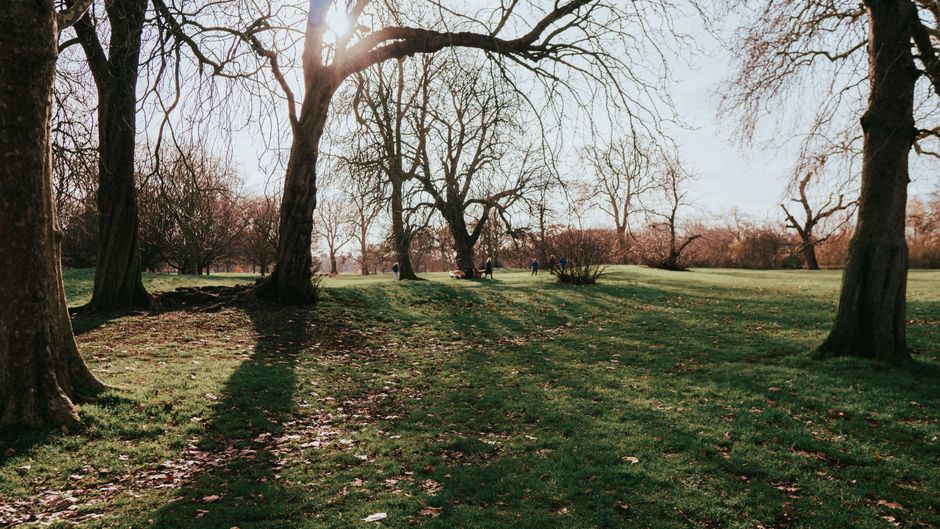
Emmanuel Hollow sits within the wider Dukes Meadows parkland along the Thames in west London. The project was developed through a collaboration between the local community, the Dukes Meadows Trust, and landscape professionals. The goal was to take an underused and somewhat neglected hollow and turn it into a welcoming, ecologically rich outdoor space that serves both people and wildlife. The result is a layered planting design that uses native species, naturalistic ground cover, and thoughtful layout to create something that feels both intentional and organic.
The plant selection at Emmanuel Hollow leans heavily on native plant garden design principles. Native species were chosen not just for their visual appeal but for their ability to support local pollinators and require less ongoing maintenance. This is exactly the kind of thinking that translates well into residential settings, whether you are working on a small backyard design or a larger yard landscaping design for a family home.
The hollow itself was shaped to manage water naturally, which reflects rain garden design thinking. Rather than fighting the natural topography, the design works with it. Water is directed and absorbed in a way that reduces runoff and supports plant health without relying on irrigation systems. This approach connects directly to water wise landscaping and xeriscape garden design values, both of which are becoming more relevant as dry summers become more common across many regions.
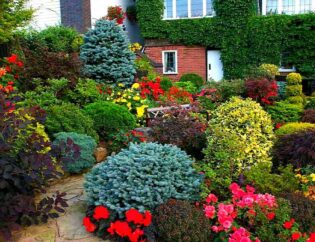
The planting layers include taller structural plants at the edges, mid-height flowering species through the centre, and low ground cover that reduces bare soil and suppresses weeds. This kind of layered approach is one of the most practical things any homeowner can borrow for their own outdoor living space design. It reduces maintenance, improves visual depth, and creates habitat at the same time.
Martin Palma, founder and CEO of Ecolandscape Studio, has worked on several residential projects where similar layering principles were applied to tight urban plots. His observation is straightforward: when you stop trying to control every inch of a garden and instead design with natural plant behaviour in mind, the space becomes easier to manage and far more interesting to spend time in. The Emmanuel Hollow project demonstrates this at a public scale, which makes it easier for homeowners to visualise how the same logic applies to a private backyard or front yard.
One of the most transferable ideas from this project is the use of lawn alternatives. The hollow does not rely on traditional turf. Instead, the ground plane is handled through a mix of low-growing native plants, mulched areas, and naturalistic planting that requires far less mowing and watering. For homeowners exploring low maintenance garden design or drought tolerant garden design, this is a practical model to follow.
Privacy landscaping is another element worth noting in the design. The taller plantings around the perimeter of the hollow create a sense of enclosure without using fencing or hard structures. This is a technique that works equally well in residential settings, particularly for patio landscaping ideas where you want to create a defined outdoor room without making the space feel boxed in.
The project also incorporated landscape lighting ideas in a subtle way, using low-level path lighting that does not overpower the natural character of the space. For residential properties, this kind of restrained lighting approach keeps the garden feeling calm at night while still making it safe and usable.
Garden edging ideas used throughout Emmanuel Hollow follow a naturalistic line rather than rigid geometric borders. Curved, soft edges between planting zones and open areas give the space a relaxed quality that suits modern garden design sensibilities without looking unfinished or accidental.
For anyone currently planning a residential landscape design project, the Emmanuel Hollow reveal is a useful reminder that the best outdoor spaces tend to share a few common qualities. They work with the site rather than against it. They choose plants that belong in the local environment. They create structure without rigidity. And they leave room for the space to evolve over time as plants mature and establish.
At Ecolandscape Studio, these are the principles we return to on every project, whether it is a compact urban backyard or a larger property with room for a pollinator garden design or fire resistant landscaping buffer. The Emmanuel Hollow project shows what is possible when ecological thinking and good design work together, and that combination is just as relevant at the residential scale as it is in a public park.