A backyard that functions well for entertaining is one of the most rewarding investments a homeowner can make. Whether you host large gatherings or prefer quiet evenings with close friends, the way your outdoor space is designed directly affects how comfortable and enjoyable those moments feel. Thoughtful backyard landscaping ideas go far beyond placing a table and a few chairs on a patch of grass. The layout, materials, plants, and lighting all work together to create something that feels intentional and welcoming.
The starting point for any successful outdoor living space design is understanding how the space will actually be used. A family that loves weekend barbecues needs different features than someone who wants a calm garden retreat. Before choosing materials or plants, think about traffic flow, shade, privacy, and the connection between the indoor and outdoor areas of the home. These practical questions shape every decision that follows.
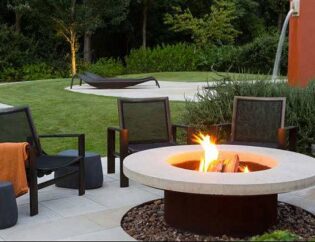
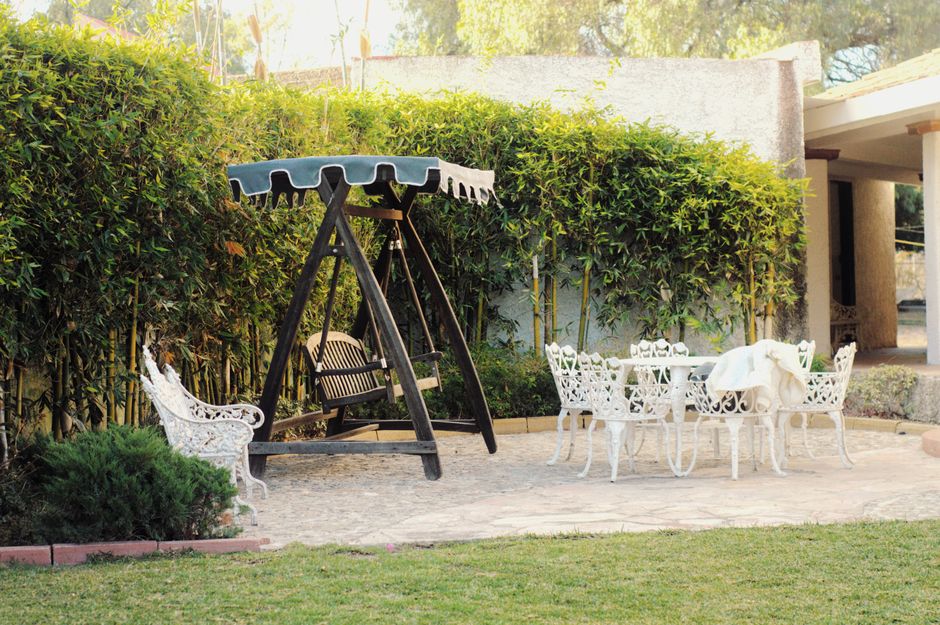
Patios and defined gathering zones are the backbone of a well-designed backyard. Patio landscaping ideas work best when the surface material suits both the climate and the visual style of the home. Natural stone, concrete pavers, and composite decking are all popular choices, each with different maintenance needs and aesthetic results. The size of the patio matters too. A space that feels cramped when furniture is added will frustrate guests and limit how the area can be used.
Shade is one of the most overlooked elements in residential landscape design for entertaining. Pergolas, shade sails, and strategically placed trees can make a hot afternoon gathering genuinely comfortable. When planting trees for shade, placement relative to the sun’s path and the home’s windows should be considered carefully. Deciduous trees are a practical choice because they provide shade in summer and allow sunlight through in winter.
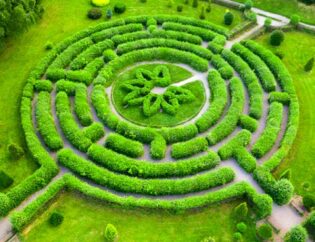
Privacy landscaping is another layer that transforms a backyard from functional to truly enjoyable. Dense plantings, trellises with climbing plants, or a combination of fencing and greenery can screen neighboring views without making the space feel closed off. Native plant garden design works particularly well here because native species tend to grow with less intervention and support local wildlife at the same time.
Martin Palma, founder and CEO of Ecolandscape Studio, often points out that the most common mistake homeowners make when planning an entertaining space is underestimating the importance of transitions. The path from the back door to the main seating area, the step down from a deck to a lawn, the edge between a planted bed and a paved surface — these small moments define how a space feels to move through. When transitions are handled well, the whole yard feels cohesive and easy to navigate, even for guests who have never visited before.
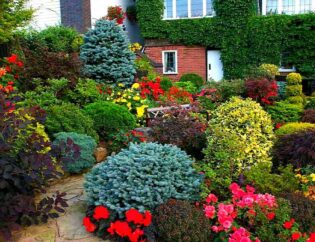
Planting design around an entertaining area should balance beauty with practicality. Low maintenance garden design is especially relevant here because nobody wants to spend the morning before a party pulling weeds or trimming overgrown shrubs. Choosing plants that are well-suited to the local climate reduces the ongoing effort required. Drought tolerant garden design and water wise landscaping principles are worth applying even in regions that receive regular rainfall, simply because they reduce the time and resources needed to keep the garden looking its best.
Pollinator garden design adds life and movement to the space without creating extra work. Flowering plants that attract bees and butterflies bring a natural energy to the yard that guests tend to notice and appreciate. Grouping these plants along the edges of the entertaining area rather than directly within it keeps the experience pleasant while still supporting biodiversity.
Landscape lighting ideas deserve serious attention in any outdoor entertaining design. Lighting extends the usable hours of the space and creates atmosphere after dark. Path lighting improves safety and guides guests naturally through the yard. Uplighting on trees or architectural features adds depth and drama. String lights remain popular for good reason — they create warmth and a relaxed mood that suits casual entertaining well. The key is layering different types of light rather than relying on a single overhead source.
Garden edging ideas also contribute more than most people expect. Clean, defined edges between lawn areas, planted beds, and paved surfaces give the whole yard a finished appearance. This is one of those details that homeowners often notice only when it is missing.
Designing a backyard for outdoor entertaining is ultimately about creating a space that feels good to be in. The best results come from thinking through the practical needs first — shade, seating, flow, privacy — and then layering in the details that make the space personal and visually appealing. A well-planned outdoor living space adds genuine value to daily life and to the property itself, and it does not require an unlimited budget to achieve. Starting with a clear plan and making deliberate choices at each stage is what separates a backyard that works from one that simply exists.