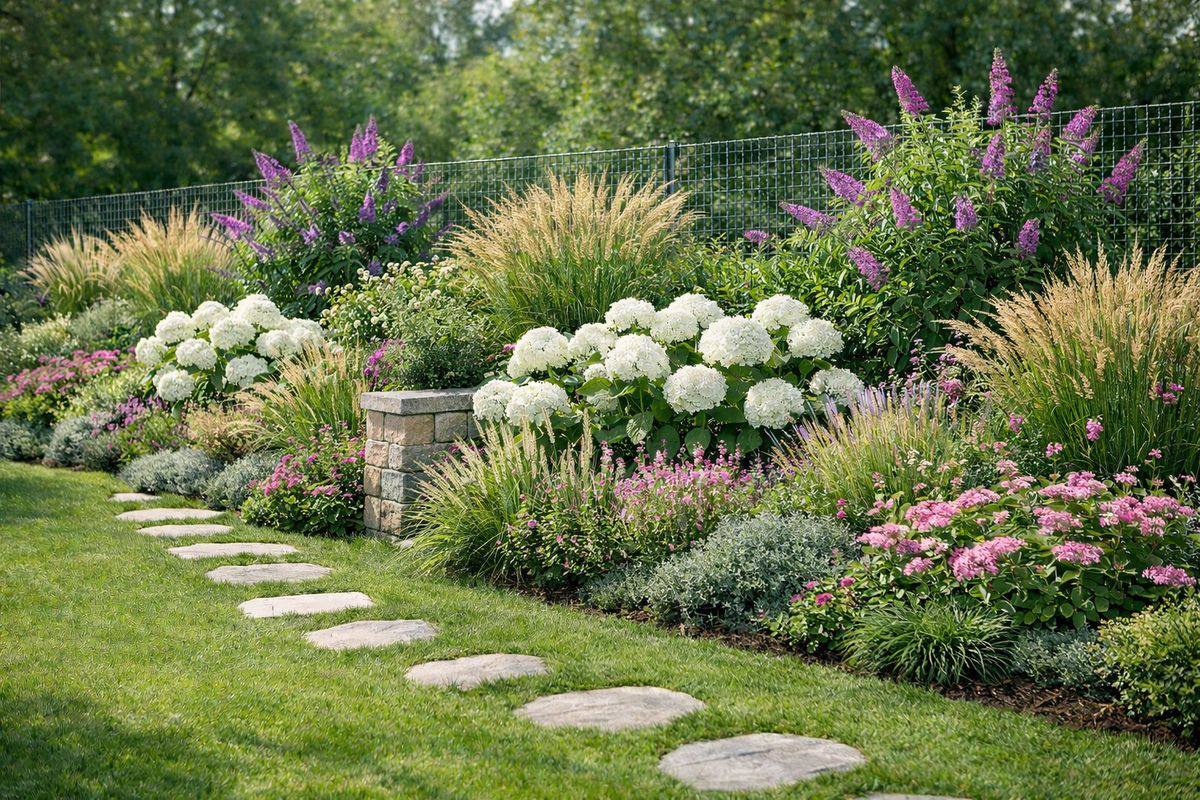
The reputation of a property is shaped by far more than its architecture, construction quality, or interior finishes. Increasingly, people form their first impression of a developer or property owner through the external environment, because the surrounding landscape immediately communicates attention to detail, long term thinking, and the overall culture of project management. Landscape architecture has become visual evidence of a property’s quality long before visitors step inside the building itself. Martin Palma, founder and CEO of Ecolandscape Studio, considers the external environment to be a form of reputational capital capable of strengthening trust in a project, reinforcing the owner’s status, and creating a lasting perception of the professionalism behind every development.
First impressions of a territory are formed long before rational evaluation begins. Potential buyers, investors, guests, and business partners instinctively assess quality through entrance areas, circulation routes, mature planting, lighting, material selection, privacy, and the overall organization of the environment. When the landscape appears random, overcrowded, or poorly maintained, confidence in the project decreases, even if the architecture itself is exceptional. Specialists at Ecolandscape Studio analyze the reputational influence of landscape design and note that the external environment often becomes the first nonverbal statement about how seriously a developer approaches both the product and the people who will ultimately use it.
A thoughtfully designed landscape communicates maturity throughout the entire project. It demonstrates that the owner or developer is thinking beyond sales presentations and immediate visual impact while considering the long term life of the property. Well planned circulation, durable materials, carefully designed planting, comfortable gathering areas, quality shade, and clear spatial organization all reflect a high standard of management. At Ecolandscape Studio, we analyze landscape architecture as an essential part of a property’s public identity because every outdoor environment inevitably reflects the decisions, values, and level of responsibility of the people who create it.
Equally important is the consistency between a project’s declared positioning and the actual experience of its external environment. When a development presents itself as premium while its landscape fails to support that promise, a reputational gap immediately appears. Clients may not always express this inconsistency directly, yet they instinctively recognize the difference between marketing claims and the reality they experience. Reputational value emerges when branding, architecture, service quality, maintenance standards, and landscape design communicate with one unified voice. Specialists at Ecolandscape Studio note that this consistency transforms landscape architecture from a decorative feature into a powerful instrument for building credibility.
Long term performance is another critical factor. The landscape continues representing the owner every single day, even after marketing campaigns have ended, sales have been completed, or the property has entered its operational phase. A well maintained garden, intuitive navigation, comfortable outdoor spaces, and durable materials demonstrate that attention to quality has not disappeared once construction was finished. At Ecolandscape Studio, we believe the reputational value of landscape architecture is built through consistency. The environment should confirm the property’s standard not only on opening day, but one year later, five years later, and well into the future.
From a commercial perspective, this approach creates measurable advantages within a competitive market. Properties with exceptional external environments inspire greater confidence among investors, remain more memorable for buyers, preserve their market value more effectively, and establish stronger emotional connections with their audiences. At Ecolandscape Studio, we see landscape architecture not as decorative enhancement but as a strategic reputation building tool. The external environment demonstrates how systematically a developer or property owner thinks, how deeply quality is valued, and how successfully a property can remain convincing not only during presentation, but throughout its entire life cycle.









