Keeping a yard green and healthy through the warmer months sounds simple, but the way most homeowners water their lawns is quietly draining both their water supply and their budget. A few practical adjustments to your irrigation habits can make a real difference, whether you manage a large residential landscape design project or a modest front yard landscaping setup.
Water efficiency is not just a trend in garden design. It is becoming a core part of how thoughtful landscape planning works, especially in regions where summer heat and dry spells put pressure on local water systems. Austin Water has shared a set of practical irrigation guidelines that apply well beyond Texas, and they are worth building into any yard landscaping design from the start.
One of the most effective changes you can make is shifting your watering schedule to early morning, ideally before 10 a.m. Watering during midday heat causes significant evaporation before the water even reaches plant roots. Evening watering, while cooler, leaves moisture sitting on foliage overnight, which encourages fungal growth and disease.
Early morning irrigation lets water soak into the soil slowly and reach the root zone where it actually matters. This single habit change can reduce water waste noticeably without requiring any new equipment or changes to your planting design.
Watering frequency matters just as much as timing. Most established lawns and garden beds need watering two to three times per week at most, depending on soil type and plant selection. Overwatering is one of the most common mistakes in residential landscape design, and it does more harm than people realize. Roots become shallow and dependent, making plants less resilient during dry periods.
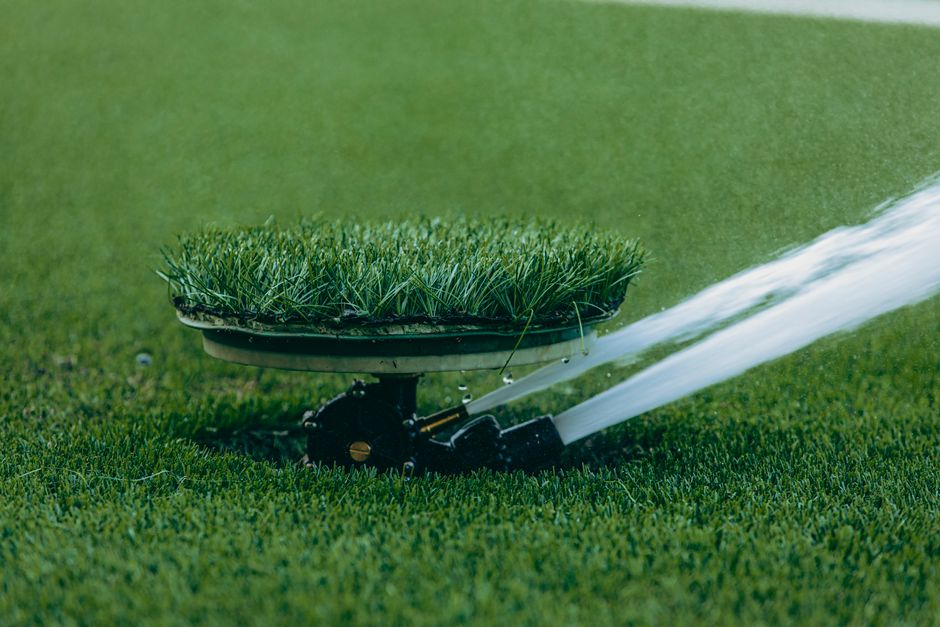
An irrigation system that runs on a set schedule without any inspection can waste thousands of gallons over a season. Broken sprinkler heads, misaligned nozzles and leaking connections are easy to miss but expensive to ignore. A quick monthly walk-through of your system while it runs can catch problems early.
Sprinkler heads should be checked to confirm they are covering the intended area without spraying sidewalks, driveways or fences. Watering hardscape surfaces is one of the most avoidable sources of water waste in outdoor living space design. If your system is hitting pavement regularly, adjusting the heads or switching to drip irrigation in those zones is a practical fix.
Drip irrigation is especially useful in planting design for garden beds, foundation plantings and areas with drought tolerant garden design or native plant garden design. It delivers water directly to the root zone, reduces evaporation and keeps foliage dry, which supports plant health over the long term.
Martin Palma, founder and CEO of Ecolandscape Studio, has seen this pattern consistently across client projects. In his experience, most homeowners who come in asking about low maintenance garden design or water wise landscaping are already overwatering without knowing it. The irrigation system is usually set to a schedule from installation day and never adjusted again. Seasonal adjustments, soil checks and a basic system audit can cut water use significantly without sacrificing the appearance or health of the landscape.
Smart irrigation controllers are another practical upgrade worth considering. These devices adjust watering schedules automatically based on local weather data, skipping cycles after rainfall and reducing output during cooler periods. They are compatible with most existing systems and can be installed without a full system replacement.
For homeowners exploring xeriscape garden design, rain garden design or lawn alternatives, the irrigation conversation shifts somewhat. These approaches are designed around reduced water dependency from the start, using soil preparation, mulching and plant selection to minimize how much supplemental watering is needed. Even so, newly planted areas still need consistent moisture during establishment, and a well-calibrated drip system makes that process more efficient.
Mulching is one of the simplest ways to extend the time between watering cycles. A two to three inch layer of organic mulch around trees, shrubs and garden beds slows evaporation, moderates soil temperature and reduces weed competition. It is a small addition to any backyard landscaping idea that pays off through the entire growing season.
Soil health also plays a role. Compacted or sandy soils drain too quickly and require more frequent watering to keep plants hydrated. Aerating the lawn and amending soil with compost improves water retention and reduces runoff, which is particularly relevant in small backyard design where every square foot of planting area needs to perform well.
Reviewing your irrigation setup does not require a major renovation. Start with the schedule, check the hardware and consider where drip systems or mulch could replace overhead watering. These steps align naturally with broader goals in sustainable landscaping, whether you are working toward a pollinator garden design, a privacy landscaping plan or simply a yard that looks good without demanding constant attention and high water bills.