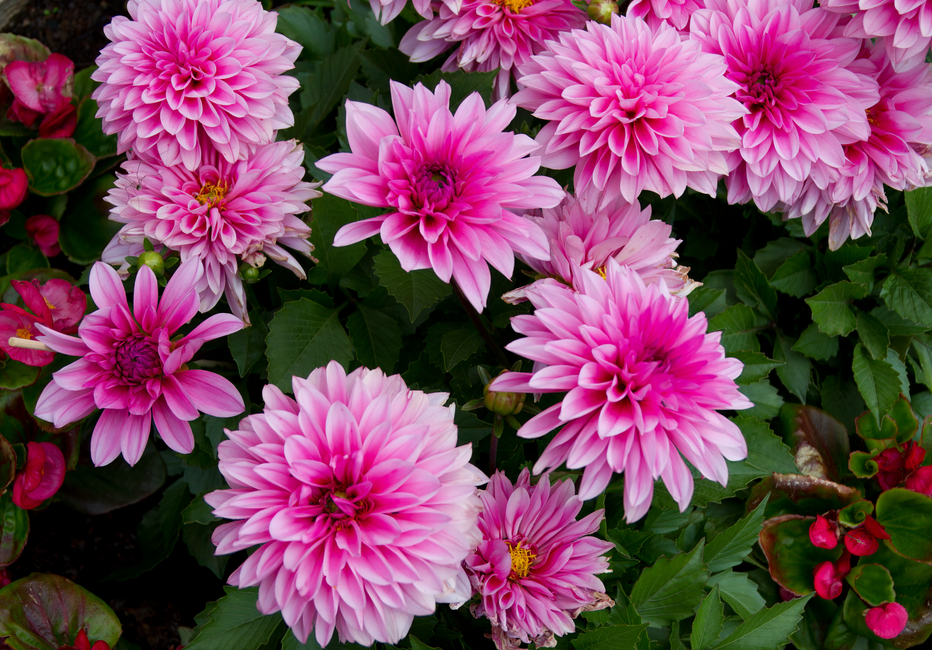
Pink gardens have a way of stopping people in their tracks. There is something about a well-layered planting design built around shades of blush, rose, magenta, and soft coral that feels both lush and effortlessly put together. The good news is that this kind of garden scheme is far more achievable than it looks, and you do not need a large yard or a professional crew to pull it off.
A gardening expert recently shared a beautiful pink-themed garden concept that has been making the rounds for good reason. The approach focuses on combining plants with different bloom times, textures, and heights to create a display that carries color from early spring through late summer. The result is a layered, cohesive look that works equally well in a front yard landscaping design or a backyard garden bed.
The key to making a monochromatic color scheme work in residential landscape design is variety within the palette. Using only one shade of pink tends to flatten the visual effect. Mixing pale blush tones with deeper rose and vivid magenta creates depth and keeps the eye moving through the space.
Some of the plants recommended in this scheme include peonies for their full, romantic blooms in late spring, alliums for vertical interest and a cooler pink-purple tone, and hardy geraniums that spread softly at ground level. Roses, particularly shrub varieties, anchor the mid-layer with repeat blooms through summer. Echinacea, also known as coneflower, brings a wilder, more naturalistic feel and doubles as a pollinator garden design element since bees and butterflies are strongly drawn to it.
Salvia and catmint are also part of the mix, adding spiky texture and a slightly cooler hue that prevents the planting from feeling too sweet. These plants are also relatively low maintenance garden choices once established, which makes the scheme practical for homeowners who want beauty without constant upkeep.
For the front of the border, low-growing plants like diascia or pink-flowering thyme soften the edge and create a natural transition between the garden bed and the lawn or path. This kind of layered approach is a core principle in planting design, where height, texture, and bloom time are all considered together rather than separately.
One of the most practical aspects of this garden scheme is its flexibility. It can be scaled down for a small backyard design or expanded across a larger border in a more spacious property. The structure stays the same: tall plants at the back, mid-height plants in the center, and low spreaders at the front.
Martin Palma, founder and CEO of Ecolandscape Studio, has worked with many homeowners who feel intimidated by color-focused planting. His observation is straightforward: most people overthink the color matching and underthink the bloom timing. A garden that peaks all at once in June and then goes quiet for the rest of the season is a missed opportunity. Staggering bloom times so that something is always in flower from April through September is what separates a good garden from a great one.
Soil preparation matters more than most people expect. Pink-flowering perennials like peonies and roses perform best in well-drained, fertile soil with good organic content. Before planting, working compost into the bed improves both drainage and moisture retention, which reduces the need for frequent watering. This aligns well with water wise landscaping principles, especially in regions where summer rainfall is unpredictable.
Mulching around the plants after planting helps retain moisture, suppress weeds, and keep root temperatures stable. A 5 to 7 centimeter layer of organic mulch is usually enough to make a noticeable difference in how the garden holds up through dry spells.
Spacing is another detail worth getting right. Crowding plants together might look fuller in the first season, but it leads to poor air circulation and increased disease pressure, particularly for roses. Following the recommended spacing for each variety gives the planting room to develop naturally and reduces maintenance over time.
For homeowners who want to add structure to the scheme, garden edging ideas like low metal borders or natural stone can define the bed cleanly and prevent grass from creeping in. Landscape lighting ideas, such as soft warm uplighting on taller plants like roses or peonies, can extend the enjoyment of the garden into the evening hours and add a completely different dimension to the outdoor living space design.
A pink garden scheme like this one is a genuinely accessible project for most homeowners. The plants involved are widely available, reasonably priced, and well-suited to temperate climates. With thoughtful plant selection, proper soil preparation, and attention to bloom timing, this kind of home garden design can deliver months of color and a yard that genuinely stands out on the street.