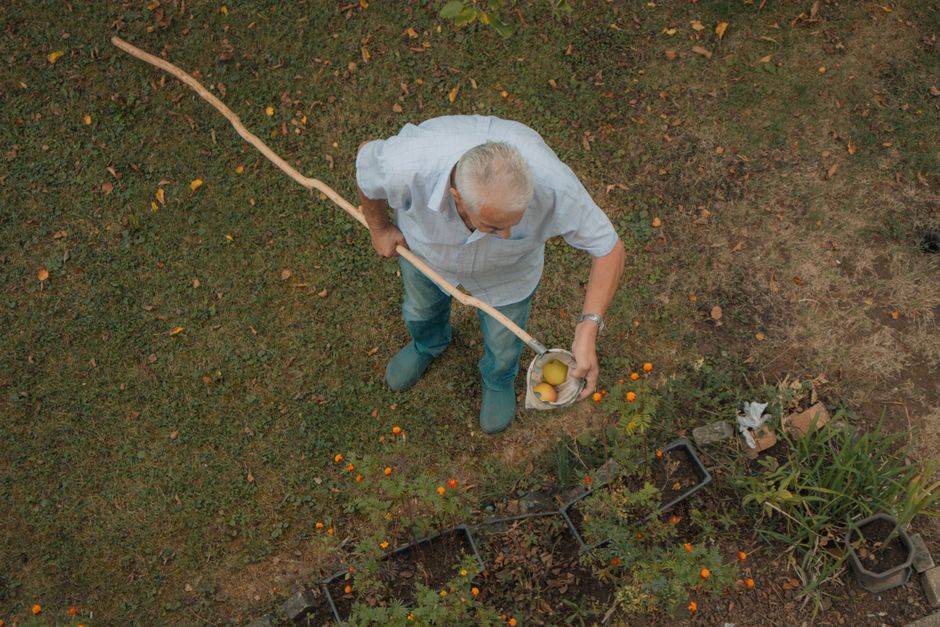
There is something quietly powerful about a person in their nineties picking up a trowel and redesigning their outdoor space. When a 92-year-old resident at a senior living community decided to replace part of her lawn with a thriving garden, it sparked conversations far beyond her neighborhood. Her story is a genuine reminder that garden design has no age limit, and that even a modest patch of grass can become something meaningful, productive, and beautiful.
The resident, who had a lifelong love of plants, worked with the support of her community to transform a section of turf into a planted garden bed. The result was a colorful, well-organized space filled with flowers and greenery that she tends herself. What makes this project remarkable is not just the age of the person behind it, but the decision itself: replacing lawn with a purposeful planting design is one of the most practical and rewarding choices a homeowner can make.
Lawns are often the default choice for residential landscape design, but they come with real costs. They require regular mowing, watering, fertilizing, and ongoing maintenance that adds up over time. A well-planned garden bed, by contrast, can be designed to be far more self-sufficient. Low maintenance garden design, drought tolerant garden design, and native plant garden design are all approaches that reduce the effort required while increasing the ecological and visual value of a yard.
Replacing even a portion of lawn with planted beds opens up possibilities for pollinator garden design, which supports bees, butterflies, and other beneficial insects. It also creates opportunities for water wise landscaping, since established perennials and native plants typically need far less irrigation than a traditional grass lawn. For homeowners thinking about xeriscape garden design or rain garden design, a lawn conversion is often the natural starting point.
The practical benefits extend to property appearance as well. A thoughtfully designed garden bed with layered planting, garden edging ideas executed cleanly, and considered landscape lighting ideas can dramatically improve the curb appeal of a front yard or the comfort of a backyard. These are not small details. They are the elements that make outdoor living space design feel intentional and livable.
Martin Palma, founder and CEO of Ecolandscape Studio, has seen this pattern repeat across many residential projects. In his experience, the clients who are most satisfied with their outdoor spaces are rarely the ones who started with the biggest budgets. They are the ones who started with a clear purpose, even if that purpose was simply wanting to grow something beautiful in a space that previously felt unused. A small backyard design or a converted lawn section can deliver more daily joy than an elaborate hardscape if the planting is chosen with care and the space is designed around how the person actually lives.
The story of this 92-year-old gardener carries a few lessons worth keeping in mind for anyone exploring backyard landscaping ideas or front yard landscaping ideas.
Start with a manageable area. Converting an entire lawn at once can feel overwhelming and expensive. Choosing one section, as this resident did, allows you to learn what works in your specific conditions before expanding. Soil preparation, plant selection, and garden edging ideas can all be tested at a smaller scale first.
Choose plants that suit your lifestyle. If regular watering and pruning are not realistic for your schedule or physical ability, lean toward drought tolerant garden design and native plant garden design. Native plants are adapted to local climate conditions, which means they generally establish faster and need less intervention once settled in.
Think about the long view. A garden designed with perennials and shrubs will look different in year one than it will in year three. Planting design that accounts for mature plant sizes, seasonal interest, and layered heights will reward patience. This is where working with a landscape design professional can save time and prevent costly replanting.
Privacy landscaping, fire resistant landscaping, and even modern garden design principles can all be incorporated into a lawn conversion project, depending on the goals of the homeowner. The key is to treat the space as a design opportunity rather than a maintenance problem to solve.
The woman who built her garden at 92 did not do it to make a statement. She did it because she wanted to grow something, to care for something, and to have a space that reflected her connection to the natural world. That motivation is at the heart of good yard landscaping design at any age. A garden does not need to be large or complex to be genuinely valuable. It needs to be planted with intention and tended with attention, and those two things are available to anyone willing to start.









