Fencing has always been a quiet but essential part of any well-planned outdoor space. It defines boundaries, adds structure to a yard, and contributes to the overall character of a home’s exterior. What many homeowners may not realize is that the global fencing industry is growing at a remarkable pace, and that growth is directly influencing what materials, styles, and solutions are becoming available for residential landscape design.
According to recent market research, the global fencing market is projected to reach USD 52.3 billion by 2036. This expansion is being driven by a combination of urban infrastructure development, rising security concerns, and a growing demand for privacy landscaping in both residential and commercial settings. For homeowners thinking about backyard landscaping ideas or planning a front yard landscaping redesign, this market shift carries real practical meaning.
When a market grows this significantly, it tends to bring more product diversity, better material innovation, and more competitive pricing. For residential landscape design, that translates into a wider range of fencing options that can complement different garden styles, from modern garden design to native plant garden design and drought tolerant garden design.
The demand for privacy landscaping is one of the clearest trends shaping this growth. Homeowners in urban and suburban areas are increasingly looking for ways to create enclosed, comfortable outdoor living spaces without sacrificing aesthetics. Fencing is no longer just a security measure — it has become a design element that works alongside planting design, garden edging ideas, and landscape lighting ideas to create a cohesive yard environment.
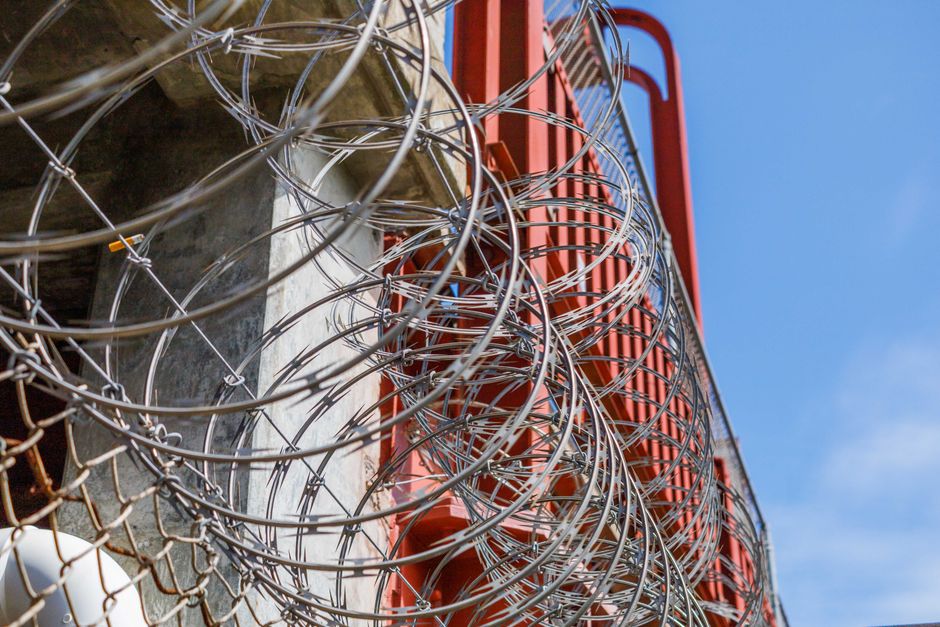
Security concerns are another major driver. As urban populations grow and residential density increases, property owners are investing more in perimeter solutions that offer both protection and visual appeal. This is pushing manufacturers to develop fencing products that are durable, low maintenance, and visually refined enough to fit into thoughtfully designed outdoor spaces.
Martin Palma, founder and CEO of Ecolandscape Studio, has observed this shift firsthand in client projects over recent years. In his experience, homeowners are no longer treating fencing as an afterthought. They are bringing it into the early stages of yard landscaping design conversations, asking how it can work with their planting choices, their patio landscaping ideas, and the overall feel they want to achieve in their outdoor space. That change in mindset, he notes, leads to much better results and more cohesive residential landscapes.
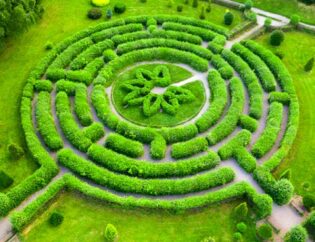
One of the most useful ways to think about fencing in the context of garden design trends is to see it as a structural layer in your landscape. Just as a well-placed hedge or a row of ornamental grasses can define space and add texture, a fence contributes to the visual rhythm of a yard.
For small backyard design, the right fence can make a space feel more intentional and private without making it feel cramped. Choosing materials and heights that align with the scale of the garden is key. Lighter materials, open lattice styles, or fences combined with climbing plants can help maintain a sense of openness while still providing privacy.
In fire resistant landscaping and water wise landscaping projects, fencing material selection becomes especially relevant. Metal and composite fencing options are gaining popularity in fire-prone regions, while treated wood and recycled materials are being used in xeriscape garden design and rain garden design contexts where durability and environmental compatibility matter.
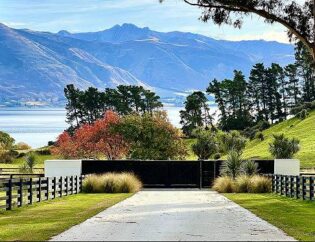
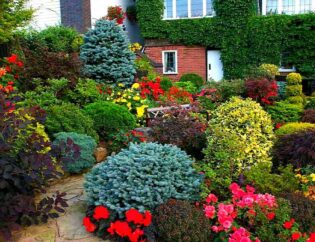
For front yard landscaping ideas, low fencing or decorative boundary solutions are trending as homeowners look for ways to add curb appeal without creating a fortress-like appearance. Combining a modest fence with pollinator garden design plantings, native plant garden design, or lawn alternatives creates a welcoming, layered look that is both practical and visually engaging.
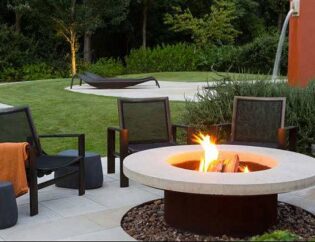
The rise of outdoor living space design as a priority for homeowners is also pushing fencing into a more prominent role. When a backyard is designed as an extension of the home, with seating areas, garden zones, and landscape lighting ideas woven together, fencing becomes part of the architecture of that space rather than just its edge.
For anyone currently planning a yard landscaping project, this is a good moment to think carefully about fencing as part of the broader design picture. Consider how the material, color, and height of a fence will interact with your planting design, your hardscape choices, and the way light moves through your garden at different times of day.
At Ecolandscape Studio, the approach to fencing has always been to treat it as one element within a larger design conversation. The best outcomes come when boundaries, plantings, lighting, and surface materials are planned together rather than added one by one. With the fencing market expanding and bringing more options to the table, homeowners have more opportunity than ever to make choices that are both functional and genuinely beautiful.