When landscape design students step outside the classroom and into real communities, something genuinely useful happens. A recent project involving University of Connecticut students and the Farmington Canal Heritage Trail in New Haven is a strong example of how academic energy, when pointed in the right direction, can produce practical and lasting improvements to public outdoor spaces.
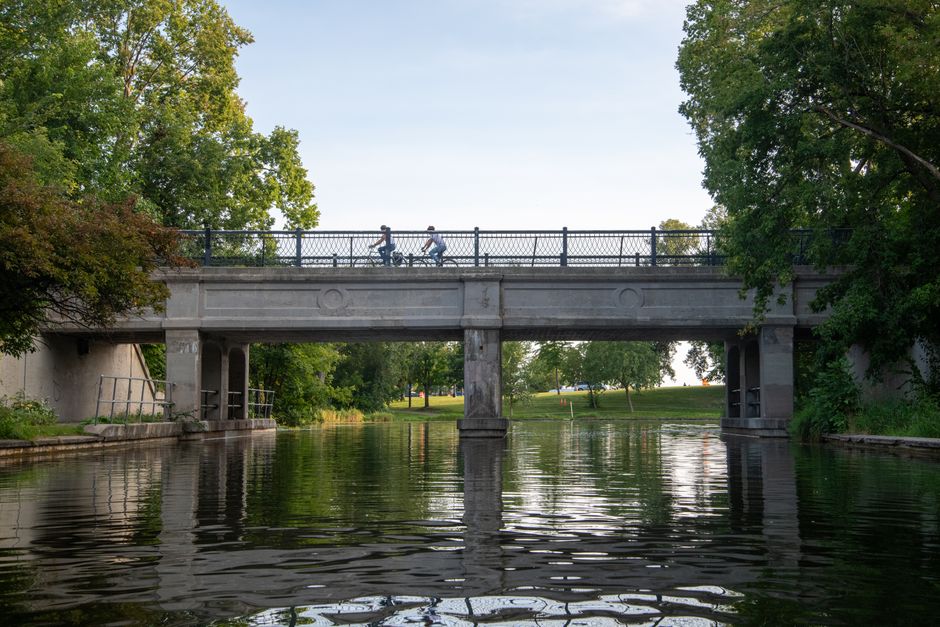
The Farmington Canal Heritage Trail runs through several Connecticut communities and serves as a shared green corridor for cyclists, pedestrians, and local residents. The New Haven section of the trail has long been a valued community asset, but like many public green spaces, it has faced challenges related to maintenance, planting design, accessibility, and overall visual appeal. UConn students were brought in to help reimagine what this corridor could look like with thoughtful, community-centered landscape planning.
The student teams developed design concepts focused on improving the trail’s ecological function and its everyday usability. Their proposals included ideas around native plant garden design, which is one of the most effective approaches for creating low maintenance green spaces that support local wildlife. Native plantings reduce the need for irrigation, chemical inputs, and intensive upkeep, making them a practical fit for public corridors that rely on limited municipal budgets.
Pollinator garden design was another recurring theme in the student work. By incorporating flowering native species that support bees, butterflies, and other beneficial insects, the trail could become more than a path — it could function as a living habitat corridor running through an urban environment. This kind of planting design thinking is exactly what separates a well-considered landscape from a generic one.
The students also explored ideas around rain garden design and water wise landscaping. The trail passes through areas where stormwater management is a real concern, and integrating bioswales or planted drainage features into the design would help filter runoff before it reaches local waterways. These are the same principles that apply to residential landscape design, where managing water on your property protects both the environment and your investment.
Martin Palma, founder and CEO of Ecolandscape Studio, sees this kind of project as a reflection of where the profession is heading. In his experience working on residential and community-scale outdoor spaces, the most successful designs are the ones that start with the site’s natural conditions rather than fighting against them. When young designers are trained to think about drought tolerant garden design, native species, and ecological function from the beginning, they bring that mindset into every project they touch later in their careers.
The ideas explored along the Farmington Canal Trail are not limited to public spaces. Many of the same principles translate directly into backyard landscaping ideas and front yard landscaping ideas that homeowners can apply on their own properties.
Choosing native plants over ornamental exotics reduces long-term maintenance and supports local biodiversity. Incorporating rain garden design elements in low-lying areas of your yard helps manage water naturally. Replacing traditional turf with lawn alternatives like groundcovers or mixed meadow plantings cuts down on mowing, watering, and fertilizing. These are practical, proven approaches that work in residential settings just as well as they do along a public trail.
Privacy landscaping using native shrubs and trees is another idea worth considering. Dense plantings of species adapted to your local climate provide screening without requiring the same level of care that non-native hedges often demand. Combined with thoughtful landscape lighting ideas and garden edging ideas, a native-focused planting plan can give any yard a polished, intentional look.
For those working with smaller properties, small backyard design benefits enormously from the kind of layered planting approach the UConn students applied to the trail. Using vertical space, mixing textures, and selecting plants that offer multiple seasons of interest are all strategies that make a compact outdoor living space feel more generous and alive.
The Farmington Canal project is a reminder that good landscape design is not about imposing a style onto a space. It is about reading what the land needs, understanding how people will use it, and making choices that hold up over time. Whether you are planning a patio landscaping project, rethinking your front yard landscaping, or exploring xeriscape garden design for a drier climate, the fundamentals remain the same: work with nature, choose plants that belong, and design for the long term.
If you are thinking about updating your own outdoor space, the student work along this New Haven trail offers a useful frame. Start by observing how water moves through your yard, what grows well without much help, and where people naturally want to spend time. Those observations will lead you to better decisions than any trend list ever could.