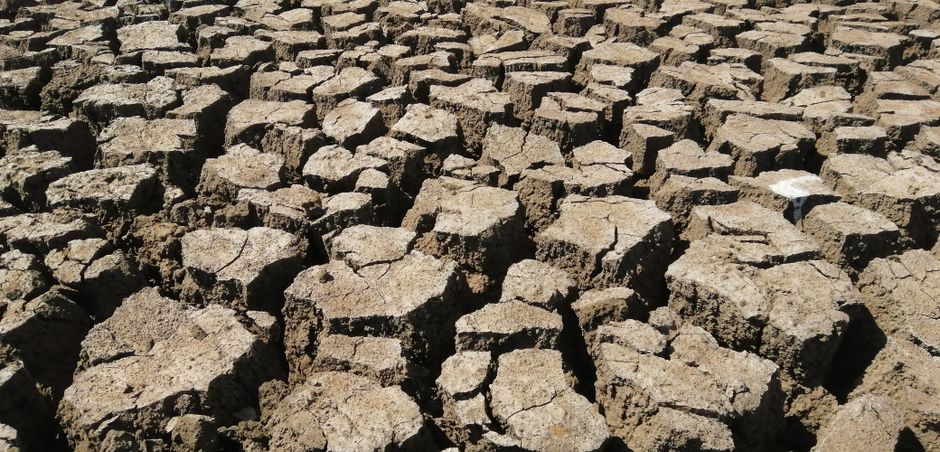
Boulder is heading into 2026 under a drought watch, and for homeowners with gardens, lawns, and outdoor spaces, that signal carries real weight. A drought watch doesn’t mean immediate restrictions, but it does mean conditions are trending in a direction that could affect how much water is available for residential use. Getting ahead of that now, rather than scrambling later, makes a meaningful difference for your property and your plants.
The city of Boulder has been monitoring water supply levels carefully, and the drought watch status reflects reduced snowpack and lower reservoir storage compared to typical seasonal averages. If conditions don’t improve, the city may move toward drought warnings or even restrictions that limit outdoor watering schedules. For anyone with an established garden or a yard landscaping design that relies heavily on irrigation, this is the moment to take a closer look at how water is being used outside.
A drought watch is essentially an early alert. It tells residents that water supplies are under stress and that conservation efforts should begin voluntarily before any formal rules are put in place. Boulder’s water utility uses a tiered system, moving from watch to warning to emergency, with each level bringing tighter limits on outdoor water use. Voluntary action during the watch phase helps slow the progression toward mandatory restrictions.
For residential landscape design, this matters because outdoor irrigation typically accounts for a significant portion of household water consumption during warmer months. Lawns, in particular, are heavy water users. If your front yard or backyard landscaping still relies on a traditional turf lawn with standard spray irrigation, now is a practical time to evaluate whether that setup makes sense going forward.
Martin Palma, founder and CEO of Ecolandscape Studio, has worked on water-wise landscaping projects across Colorado for years and puts it plainly: when a drought watch is issued, the homeowners who act early almost always come out ahead, because they have time to make thoughtful changes rather than rushed ones, and their plants have time to establish before stress conditions peak.
Switching to drought tolerant garden design doesn’t mean giving up on a beautiful yard. Native plant garden design is one of the most effective approaches for Colorado properties, because plants that evolved in the region are naturally adapted to its rainfall patterns and dry spells. A well-planned native planting design can look lush and full while using a fraction of the water that traditional ornamental beds require.
Xeriscape garden design is another approach worth considering. It’s often misunderstood as bare gravel and cactus, but a properly designed xeriscape uses layered plantings, mulch, and smart irrigation to create an attractive, low maintenance garden that performs well even during dry years. Mulching garden beds is one of the simplest steps any homeowner can take right now, since a few inches of organic mulch dramatically reduces soil moisture loss between waterings.
For those with irrigation systems, checking for leaks, adjusting run times, and switching to drip irrigation in planting beds can reduce water use without sacrificing plant health. Drip systems deliver water directly to root zones, which means less evaporation and more efficient use of every gallon. Upgrading to a smart irrigation controller that adjusts automatically based on weather data is another practical improvement that pays off quickly during dry conditions.
Rain garden design is worth exploring for properties that experience runoff during storms. A rain garden captures and filters stormwater on-site, allowing it to soak into the ground rather than running off into the street. This approach supports water wise landscaping goals and can add genuine visual interest to a backyard or front yard landscaping design.
Lawn alternatives are becoming increasingly popular in Boulder and across the Front Range for exactly this reason. Ground covers, ornamental grasses, decomposed granite, and permeable paving can replace portions of turf while still creating an attractive, functional outdoor living space. Pollinator garden design is another option that replaces lawn with flowering plants that support bees, butterflies, and other beneficial insects, adding ecological value alongside water savings.
For homeowners who aren’t ready for a full redesign, smaller adjustments still add up. Watering in the early morning reduces evaporation. Grouping plants with similar water needs together makes irrigation more efficient. Letting lawn grass grow slightly taller during dry periods helps it retain moisture and stay healthier with less water.
The drought watch in Boulder is a reminder that residential landscape design in Colorado needs to account for the region’s climate realities. Properties that are designed with water efficiency in mind tend to look better during dry years, require less maintenance, and hold their value more reliably over time. Whether you’re planning a full yard redesign or just making incremental improvements, the steps you take now will shape how your outdoor space performs through the rest of 2026 and beyond.









