The long term stability of a landscape cannot be achieved through careful plant selection and proper soil preparation alone. Every planting area requires a precisely calculated amount of moisture based on its biological characteristics, root depth, growth cycle, and the specific environmental conditions of the site. Martin Palma, founder and CEO of Ecolandscape Studio, notes that an irrigation system plan should be developed simultaneously with the overall landscape concept because the layout of irrigation lines, hydraulic calculations, and zoning strategy directly influence plant health, the visual quality of the property, and the efficiency of long term landscape maintenance.
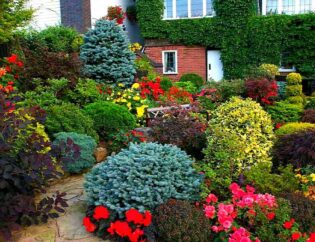
The design process begins with a comprehensive assessment of the site. Specialists evaluate the terrain, soil composition, sunlight exposure, prevailing wind direction, existing structures, and the characteristics of the proposed planting areas. Water is never distributed evenly across a landscape, making a single irrigation schedule unsuitable for every location. Uniform watering often results in insufficient moisture in some areas while creating excessive saturation in others. At Ecolandscape Studio, we analyze the unique conditions of every section of the property and develop irrigation systems that address the specific requirements of lawns, trees, shrubs, flower beds, and container plantings individually.
Dividing the landscape into independent irrigation zones provides significantly greater precision and operational efficiency. Lawns generally require frequent and evenly distributed surface watering, while mature trees and large shrubs benefit from deeper irrigation applied at different intervals. Perennial plantings, shaded gardens, and moisture loving species also demand individual watering schedules. Proper zoning eliminates situations where plants with completely different water requirements are connected to the same irrigation circuit and receive identical amounts of water regardless of their actual biological needs.
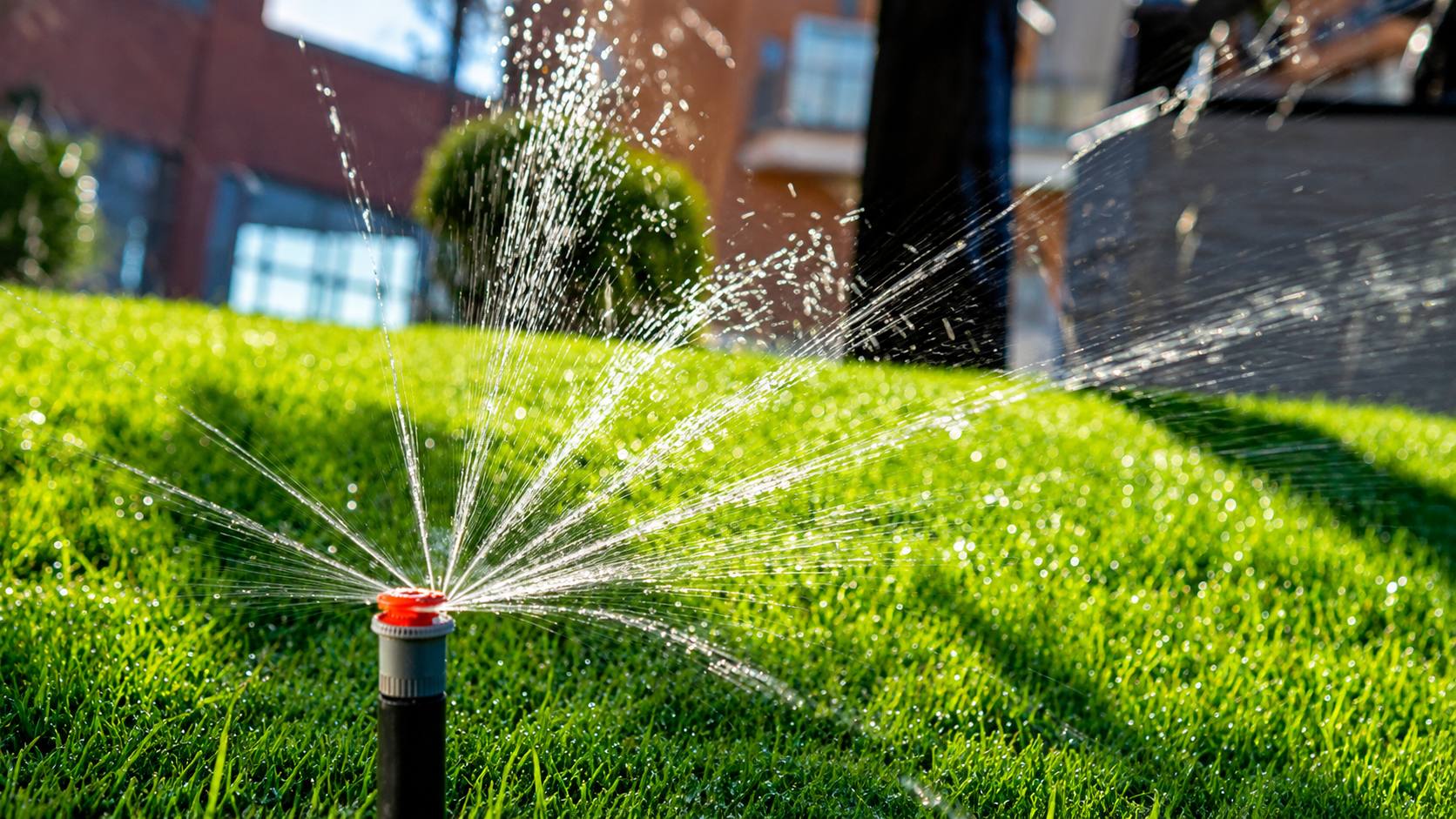
Accurate hydraulic engineering determines the long term reliability of the entire irrigation system. During the planning stage, engineers calculate water pressure, pipe capacity, simultaneous operating loads, and the distance between individual irrigation components. Incorrect pipe sizing or excessive demand on a single irrigation line may reduce operating pressure and lead to uneven water distribution throughout the property. We carefully select pumps, filtration equipment, valves, controllers, sprinklers, and drip irrigation systems so that every section of the landscape consistently receives the calculated volume of water without unnecessary losses or fluctuations in performance.
The positioning of irrigation equipment requires not only engineering precision but also a thorough understanding of landscape architecture. Sprinklers must provide uniform coverage while preventing overspray onto pathways, building facades, decorative paving, or architectural features. Drip irrigation lines are installed with consideration for future plant development because root systems expand considerably as vegetation matures. Specialists at Ecolandscape Studio emphasize that an effective irrigation plan should be designed not only for the conditions existing at the time of installation but also for the way the landscape will evolve over the coming years.
Watering schedules are established according to seasonal conditions, plant requirements, and soil characteristics. Dense clay soils absorb water slowly and often require irrigation to be divided into multiple cycles, while sandy soils drain rapidly and demand a completely different watering frequency. During spring, irrigation volumes remain relatively low, summer conditions require more intensive watering, and autumn schedules are gradually reduced as plant activity declines. We believe that automation must remain adaptable because a fixed irrigation program without seasonal adjustments cannot consistently maintain healthy landscape development.
Additional precision is achieved through the integration of rainfall, soil moisture, and temperature sensors. These technologies allow the irrigation system to respond to current environmental conditions by preventing unnecessary watering during rainfall or when adequate moisture already exists within the soil. Such intelligent management reduces water consumption while protecting plants from excessive irrigation, which may lead to oxygen deficiency around the roots, increased susceptibility to disease, and deterioration of soil structure. An automated irrigation system reaches its full potential only when it continuously responds to changing site conditions rather than operating according to a rigid predetermined schedule.
Long term maintenance requirements should also be incorporated into the design from the very beginning. Valves, filters, pipe connections, and control equipment must be positioned to allow technicians to perform inspections, servicing, and repairs without disturbing planting beds or damaging finished landscape elements. Before every growing season, irrigation lines are tested, sprinkler heads are adjusted, and controller settings are updated to match current environmental conditions. At the end of the season, the entire system is properly winterized to protect pipelines and equipment from damage caused by freezing temperatures.
A professionally designed irrigation plan combines advanced engineering calculations with a deep understanding of the biological needs of a living landscape. It enables plants to remain healthy during periods of high temperatures, supports consistent development throughout the property, and significantly reduces dependence on manual watering. We see the true value of an intelligently designed irrigation system in its ability to create stable growing conditions for every planting area, optimize water consumption, and preserve the quality of the landscape throughout its entire operational lifespan.