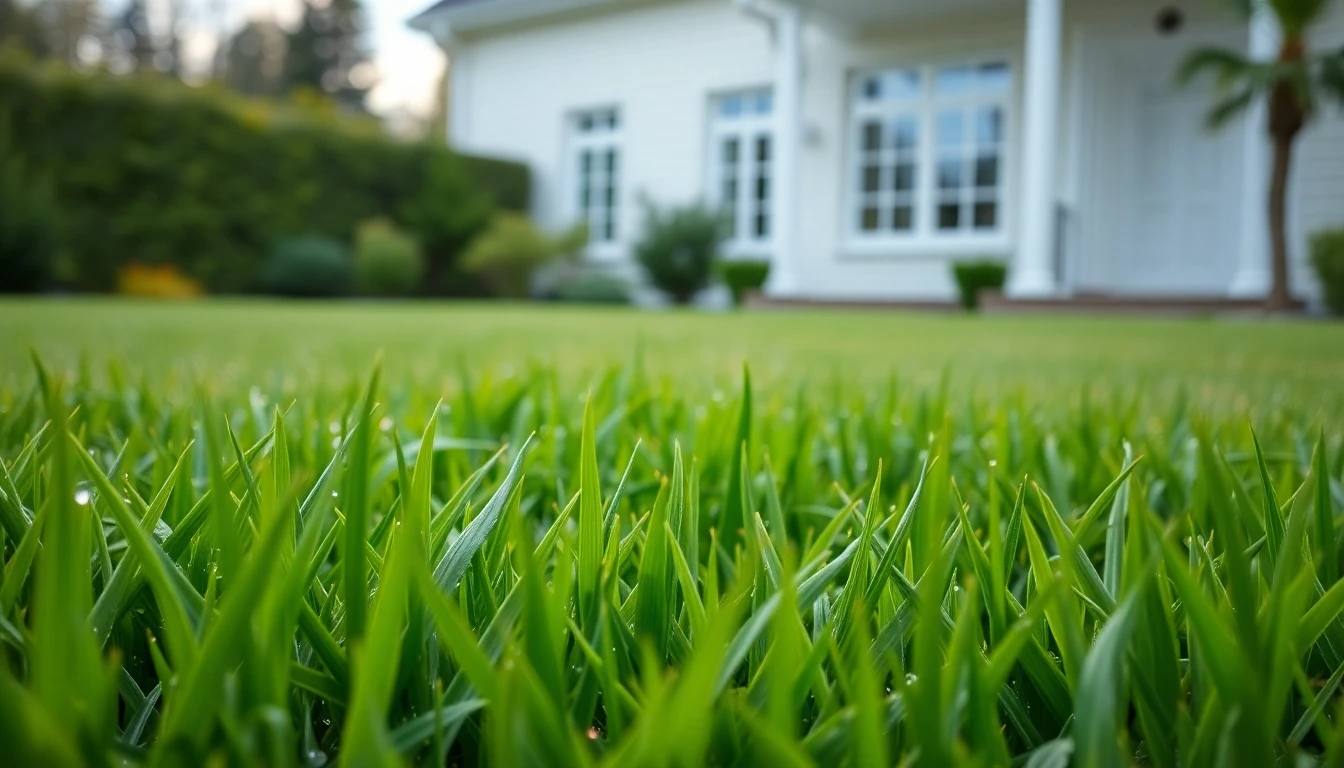
We view a lawn not as a simple filler for open areas but as a fundamental architectural element that connects different parts of a property, emphasizes the geometry of the landscape, and creates a strong sense of visual order. A professionally designed green surface expands spatial perspectives, softens transitions between pathways and planting areas, provides a calm background for architecture, and supports the functional purpose of the entire landscape. Martin Palma, founder and CEO of Ecolandscape Studio, analyzes lawn installation as a comprehensive professional process because its long term quality depends not only on the selected grass mixture but also on soil preparation, engineering conditions, installation technology, and systematic maintenance.
The first stage of our work always begins with a detailed assessment of the site’s existing conditions. We evaluate soil composition, moisture levels, drainage capacity, soil compaction, sunlight exposure, elevation differences, and the expected intensity of future use. A lawn surrounding a private residence, a hospitality property, or a public landscape functions under very different conditions, making it impossible for one universal solution to deliver consistent results. At Ecolandscape Studio, we analyze every site before earthworks begin in order to determine the required depth of ground preparation, whether soil replacement is necessary, and how drainage systems should be integrated into the project.
Ground preparation begins with the complete removal of construction debris, invasive vegetation, stones, and remaining root systems that could interfere with healthy turf development. Once the site has been cleared, we establish the designed grading levels and create precise surface slopes that prevent standing water while ensuring proper drainage across the entire lawn. Simply leveling the ground visually is never sufficient. The foundation must maintain structural stability, retain the appropriate amount of moisture, and efficiently remove excess water whenever necessary. Mistakes at this stage frequently become visible later in the form of uneven settlement, bare patches, waterlogging, or inconsistent grass growth.
The next important decision involves selecting the appropriate installation technology. Seeded lawns make it possible to choose grass mixtures specifically adapted to local conditions while gradually developing a strong root system. However, this approach requires time, continuous monitoring, and protection during germination. Sod installation produces immediate visual results but demands exceptionally high standards for ground preparation, turf freshness, and installation accuracy. We select the installation method not according to appearance on the day construction is completed but according to seasonal conditions, available budget, project schedule, expected use, and long term maintenance capabilities.
Particular attention is devoted to selecting the proper grass composition. Sunlight intensity, shaded conditions, pedestrian traffic, climate, and irrigation schedules all directly influence the durability and appearance of the finished lawn. Open areas require different characteristics than shaded spaces beneath mature trees, while heavily used landscapes demand entirely different performance qualities. A poorly selected grass mixture may appear attractive during the first weeks after installation but gradually lose density, color, and resilience. Professional selection allows us to create lawns that support both the architectural vision of the project and the practical environmental conditions of the site.
Another essential component of the process is irrigation planning. Newly established turf is especially sensitive to uneven moisture and prolonged drying, making proper irrigation design critical from the very beginning. We configure irrigation systems according to the size of the property, soil characteristics, topography, and seasonal temperature patterns. Excessive watering can be just as harmful as insufficient irrigation because it weakens root development, encourages disease, and gradually damages soil structure. At Ecolandscape Studio, we carefully calculate irrigation coverage to ensure that every section of the lawn receives consistent moisture without creating dry spots or oversaturated areas.
Once seeding or sod installation has been completed, the lawn enters its establishment phase. The first mowing is performed only after the grass has reached sufficient height and developed a stable root system. Future mowing schedules are determined according to growth rates, seasonal conditions, and the intended use of the landscape. Cutting the grass too short weakens plant health, while infrequent mowing reduces density and visual consistency. At Ecolandscape Studio, we emphasize that proper lawn maintenance must include not only mowing but also fertilization, aeration, thatch removal, weed management, and the timely restoration of damaged areas.
Seasonal care also requires continuous professional attention. During spring, the lawn must be cleaned, evaluated, and restored after winter conditions. Throughout summer, irrigation management and protection from heat stress become increasingly important. Autumn maintenance focuses on preparing the turf for lower temperatures, adjusting nutrient programs, and removing fallen leaves before they affect grass health. This systematic annual cycle allows the lawn to preserve its density, rich color, and structural stability for many years rather than only during the first growing season.
Within a completed landscape, a professionally installed lawn appears completely natural and never draws attention to technical imperfections. Instead, it strengthens the surrounding architecture, connects functional areas, creates a sense of openness, and reinforces the overall quality of the environment. We see lawn installation as a precise professional discipline in which success is determined by the combination of every decision, from soil analysis and foundation preparation to long term maintenance. Only this integrated approach makes it possible to create a green surface that preserves its density, consistency, and architectural value for many years.









