Summer heat is no longer just an inconvenience for homeowners with outdoor spaces. It has become a genuine design challenge that affects plant survival, soil health, water use, and the long-term success of any residential landscape design. Landscape companies that once focused their planning efforts on spring planting and fall cleanup are now shifting their attention to summer heat stress as a core part of the design process — and that shift is changing how professionals approach everything from planting design to outdoor living space layout.
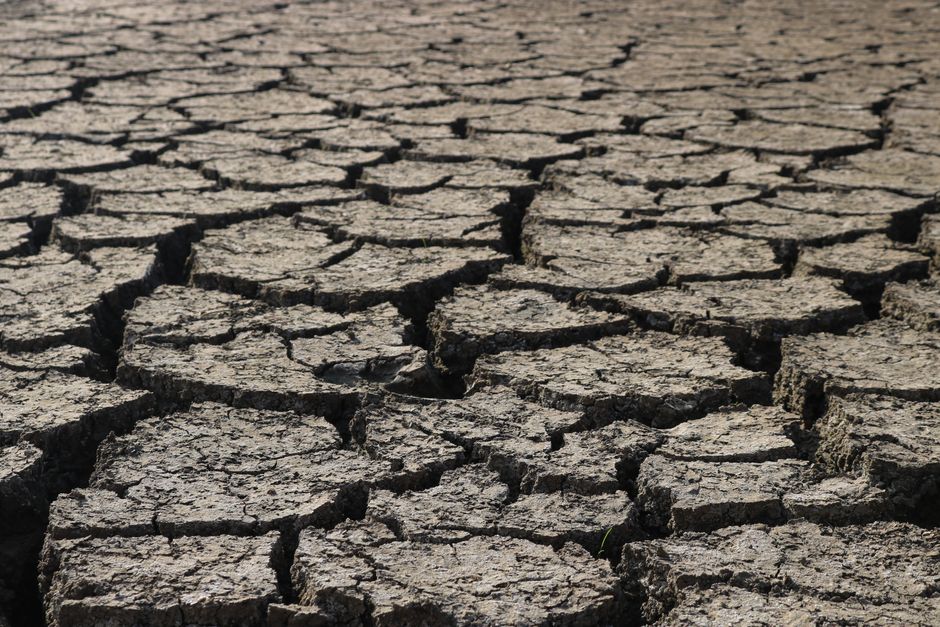
The idea behind heat stress planning is straightforward. When temperatures climb and stay elevated for extended periods, plants, turf, and even hardscape materials respond in ways that can undo months of careful work. Roots dry out, foliage scorches, and lawns go dormant or die back entirely. For homeowners investing in backyard landscaping ideas or front yard landscaping ideas, understanding how heat affects a landscape is just as useful as knowing which plants look good in spring.
Planning for heat stress does not mean waiting until damage appears. The most effective approach is to build heat resilience into the landscape before summer arrives. This means choosing drought tolerant garden design principles from the start, selecting plants suited to the local climate, and thinking carefully about where shade falls across the yard at different times of day.
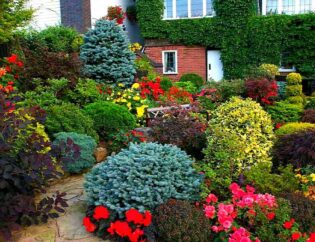
Native plant garden design plays a significant role here. Plants that evolved in a specific region are naturally adapted to its temperature extremes, rainfall patterns, and soil conditions. They require less supplemental water, recover more quickly from heat events, and generally perform better in a low maintenance garden design than non-native species that struggle through hot months. Pairing native plants with water wise landscaping practices — such as mulching deeply around root zones and grouping plants by water need — reduces the stress load on the entire yard.
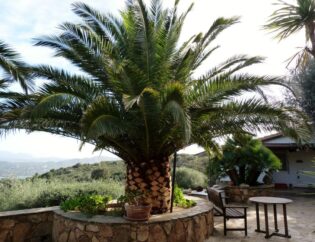
Xeriscape garden design and rain garden design are two approaches that have gained real traction among homeowners looking for practical solutions. Xeriscape focuses on reducing water demand through smart plant selection and soil preparation, while rain gardens capture and redirect stormwater to support plant growth during dry spells. Both strategies work well in residential settings and can be adapted to small backyard design just as effectively as larger properties.
Martin Palma, founder and CEO of Ecolandscape Studio, has observed this shift in client priorities firsthand. Over several seasons of working on yard landscaping design projects, he noticed that homeowners who invested in heat-resilient planting and proper soil preparation in early spring consistently saw better results through summer than those who focused only on aesthetics. His approach now includes a heat stress review as part of every initial landscape consultation, looking at sun exposure, drainage patterns, and existing plant health before making any design recommendations.
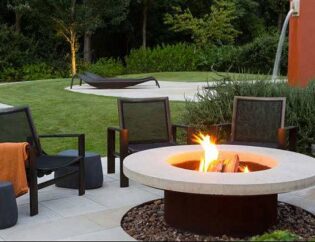
Beyond plant selection, the physical layout of an outdoor living space design has a direct impact on how heat moves through a property. Hardscape surfaces like concrete and dark pavers absorb and radiate heat, raising the temperature around seating areas and planting beds. Choosing lighter materials, incorporating permeable paving, and adding strategic shade structures can meaningfully reduce surface temperatures and improve comfort.
Lawn alternatives are worth considering for areas that receive intense afternoon sun. Ground covers, gravel mulch, or low-growing native plants can replace turf in spots where grass consistently struggles, reducing maintenance demands and improving the overall appearance of the yard. Privacy landscaping using heat-tolerant shrubs and ornamental grasses can also double as a windbreak and shade source, adding function alongside visual interest.
Landscape lighting ideas and garden edging ideas may seem like finishing details, but they contribute to how a space holds up through summer. Proper edging keeps mulch in place and reduces soil moisture loss, while well-placed lighting extends the usability of outdoor spaces into cooler evening hours when heat stress on both plants and people is lower.
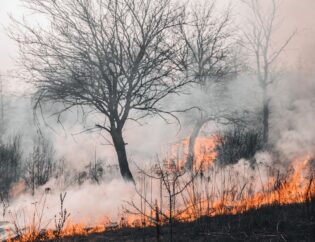
Fire resistant landscaping is another consideration that connects directly to heat planning, particularly in regions prone to dry summers. Selecting plants with high moisture content, maintaining clearance around structures, and avoiding dense plantings near the home are all steps that serve both fire safety and general heat management goals.
The broader shift toward modern garden design that accounts for climate conditions is not a passing trend. Pollinator garden design, drought tolerant planting, and thoughtful outdoor living space planning are all responses to the same reality: summers are hotter, drier, and longer than they used to be in many parts of the country. Homeowners who plan for that reality now will spend less time managing damage later.
At Ecolandscape Studio, the focus has always been on building landscapes that perform well across all seasons, not just the ones that look easy on paper. Heat stress planning fits naturally into that philosophy — it is practical, it protects your investment, and it makes your yard a more comfortable and resilient place to spend time.