Every year, the Chelsea Flower Show brings together some of the most creative and technically skilled garden designers in the world. For those who follow residential landscape design and outdoor living space trends, Chelsea is more than a prestigious event — it is a living showcase of what is possible when planting design, craftsmanship and ecological thinking come together in one place. This year, several firms from Derbyshire made a strong impression both at the main show and at Chelsea in Bloom, the parallel celebration that transforms the surrounding streets into an extension of the floral spectacle.
The Derbyshire presence at Chelsea was a reminder that exceptional garden design does not belong only to large metropolitan studios. Regional firms brought with them a deep understanding of native plant garden design, seasonal planting rhythms and the kind of attention to detail that makes a garden feel genuinely alive rather than staged. Their work reflected broader landscape design trends that homeowners across the country are now embracing — from pollinator garden design and low maintenance garden design to thoughtful use of texture, colour and structure in both front yard landscaping ideas and backyard landscaping ideas.
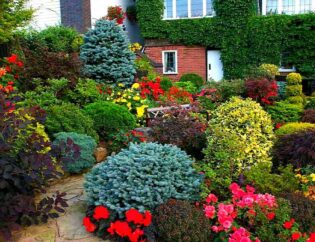
The firms that stood out at Chelsea demonstrated a clear commitment to gardens that work with nature rather than against it. Planting schemes leaned toward species that support local wildlife, with an emphasis on layered planting — combining ground cover, mid-height perennials and structural shrubs to create depth and seasonal interest. This approach aligns closely with what many homeowners are now requesting in their own yard landscaping design projects: spaces that look beautiful but also require less intervention over time.
Chelsea in Bloom, which runs alongside the main show and involves florists, retailers and designers decorating shopfronts and public spaces, also featured Derbyshire contributors who brought bold floral installations with a distinctly naturalistic edge. The displays moved away from overly formal arrangements and instead celebrated abundance, wildness and the kind of planting that feels at home in a real garden rather than a controlled exhibition space. For anyone exploring patio landscaping ideas or thinking about how to bring more character to a small backyard design, these installations offered genuine inspiration.
Martin Palma, founder and CEO of Ecolandscape Studio, has followed Chelsea closely for years and sees a consistent pattern in the work that earns recognition. In his experience, the gardens that resonate most with both judges and visitors are those where the designer has clearly thought about how the space will feel to move through, not just how it will photograph. That sense of journey and discovery — the way a path curves, the way light falls on a textured surface, the way a planting scheme shifts from one mood to another — is what separates memorable garden design from a well-executed but ultimately flat composition.
The practical question for most homeowners is how to translate the ambition of a Chelsea garden into a real residential landscape design project. The answer is not to replicate the scale or the budget, but to borrow the principles. Derbyshire designers at Chelsea showed that even modest planting schemes can carry significant visual weight when the plant selection is deliberate and the structure is clear. A well-considered garden edging idea, a carefully chosen combination of drought tolerant garden design plants, or a simple rain garden design feature can elevate an ordinary yard into something that feels considered and personal.
Landscape lighting ideas also played a role in several Chelsea displays, with subtle lighting used to extend the usability of outdoor spaces into the evening and to highlight key planting moments. This is something that translates directly into outdoor living space design for residential properties, where lighting can transform a patio or garden path from a purely functional element into something genuinely atmospheric.
For homeowners thinking about lawn alternatives, the Chelsea gardens offered plenty of evidence that grass is no longer the default choice for ground cover. Meadow-style planting, gravel with low-growing perennials, and moss-based surfaces all appeared in various forms, reflecting a wider shift in how people think about water wise landscaping and the long-term maintenance demands of a traditional lawn.
The Derbyshire firms who performed well at Chelsea this year did so by staying true to a design philosophy that values ecological sensitivity, craftsmanship and a genuine connection to the landscape. Whether you are planning a front yard landscaping project, rethinking your backyard, or simply looking for ways to make your outdoor space more interesting and sustainable, the work coming out of these regional studios is worth paying attention to. Good garden design is not about following trends for their own sake — it is about making choices that will still feel right in ten years, and that is a lesson Chelsea consistently reinforces.