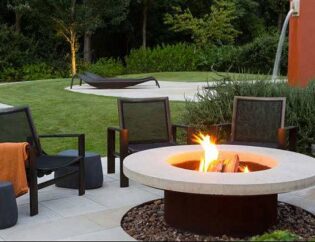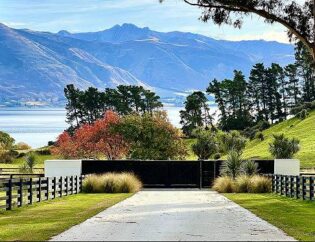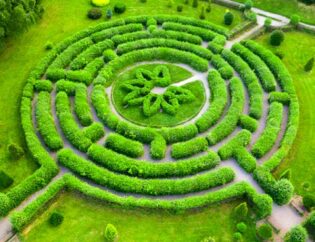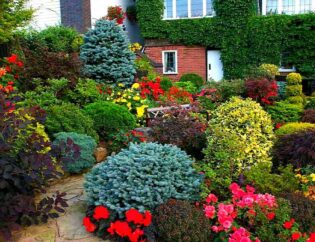
A fence does a lot more than mark a boundary. In residential landscape design, the right fence becomes part of the overall composition — defining space, adding texture, creating privacy, and setting the tone for everything planted around it. Whether you are working with a small backyard design or a larger front yard landscaping project, choosing a fence that balances function with visual appeal is one of the most practical decisions you can make for your property.
The challenge most homeowners face is finding options that do not feel like an afterthought. A fence that clashes with the planting design or overwhelms the scale of the yard can undermine even the most carefully planned outdoor living space. The good news is that modern garden design offers a wide range of fence styles that genuinely serve both goals at once.
Wooden fences remain one of the most popular choices in backyard landscaping ideas, and for good reason. They are versatile, relatively easy to customize, and blend naturally into garden settings. Horizontal board fences in particular have become a strong trend in modern garden design, offering a clean, contemporary look that pairs well with native plant garden design and low maintenance garden design approaches. Vertical picket styles, on the other hand, suit cottage gardens and more traditional front yard landscaping ideas where a softer, classic feel is the goal.
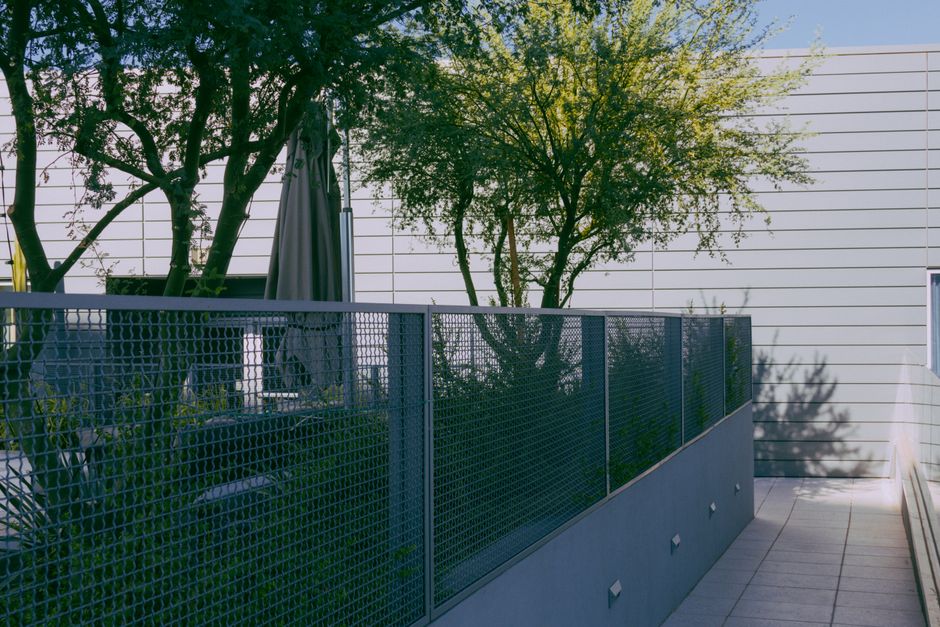
Metal fencing, including wrought iron and powder-coated steel, brings durability and a refined structure to yard landscaping design. These materials work especially well when combined with climbing plants or layered planting design, where the fence acts as a support structure as much as a visual boundary. Aluminum versions offer similar aesthetics with less maintenance, which makes them a practical fit for homeowners looking for privacy landscaping solutions that hold up over time without constant upkeep.
Bamboo and composite fencing have grown in popularity as sustainable landscaping choices. Composite panels made from recycled materials resist rot and fading, making them a strong option for low maintenance garden design in climates with heavy rainfall or intense sun. Bamboo, when properly treated and installed, adds a natural warmth that complements drought tolerant garden design and xeriscape garden design styles particularly well.
Living fences are another direction worth exploring. Hedges of native shrubs, espaliered trees, or dense ornamental grasses can create privacy landscaping that also supports pollinator garden design and contributes to the ecological health of the yard. These options take more time to establish, but they reward patience with a result that feels genuinely integrated into the landscape rather than placed in front of it.
Martin Palma, founder and CEO of Ecolandscape Studio, often points out that the fence is one of the first elements clients overlook when planning a yard, yet it ends up influencing nearly every other decision. In his experience working on residential landscape design projects, the fence sets the visual frame for the entire space — it affects how planting design is layered, how landscape lighting ideas are implemented along the perimeter, and how garden edging ideas are developed near the base. Getting the fence right early in the process saves a significant amount of revision later.
Fence height and spacing also matter more than most people expect. A solid six-foot panel creates full privacy but can make a small backyard design feel enclosed and heavy. Alternating solid and open sections, or choosing a design with slight gaps between boards, allows light and air to move through while still providing meaningful screening. This approach works particularly well in patio landscaping ideas where the goal is to create an intimate outdoor living space design without making the area feel boxed in.
Color and finish choices tie the fence back to the home and the planting palette. Natural wood stains that complement the tones of the house exterior tend to age gracefully and require less visual maintenance than painted surfaces. For front yard landscaping ideas, a fence that echoes the architectural details of the home creates a cohesive property landscaping impression from the street.
Combining fence materials is a growing trend in garden design. Mixing timber posts with metal infill panels, or pairing a low masonry base with timber boards above, creates layered visual interest that elevates the overall home garden design. These combinations also allow different sections of the yard to have slightly different characters while still reading as a unified design.
Whatever direction you choose, the fence should feel like it belongs to the garden rather than sitting in front of it. Thoughtful placement, the right scale, and materials that suit both the climate and the style of the home will carry the design further than any single decorative detail. At Ecolandscape Studio, we approach fencing as part of the full landscape composition — because when it is done well, it quietly holds the whole yard together.