Every few years, the world of residential landscape design goes through a quiet but meaningful shift. What felt fresh and modern a decade ago can start to look dated, and more importantly, some popular choices are now being reconsidered for practical and environmental reasons. If you are planning a backyard redesign, updating your front yard landscaping, or simply refreshing your outdoor living space, knowing which trends are losing ground can save you time, money, and effort.
Here is what landscape design professionals are moving away from heading into 2026.
Vast stretches of traditional lawn are one of the first things experts point to. Maintaining a large grass lawn demands significant water, fertilizer, and regular mowing, and in many regions, it simply does not make environmental sense anymore. Lawn alternatives like native ground covers, ornamental grasses, and low maintenance garden beds are replacing turf in both front yard and backyard landscaping ideas across the country.
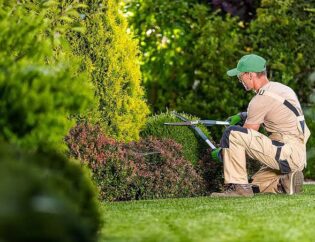
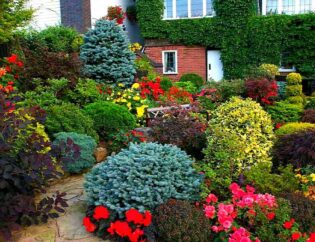
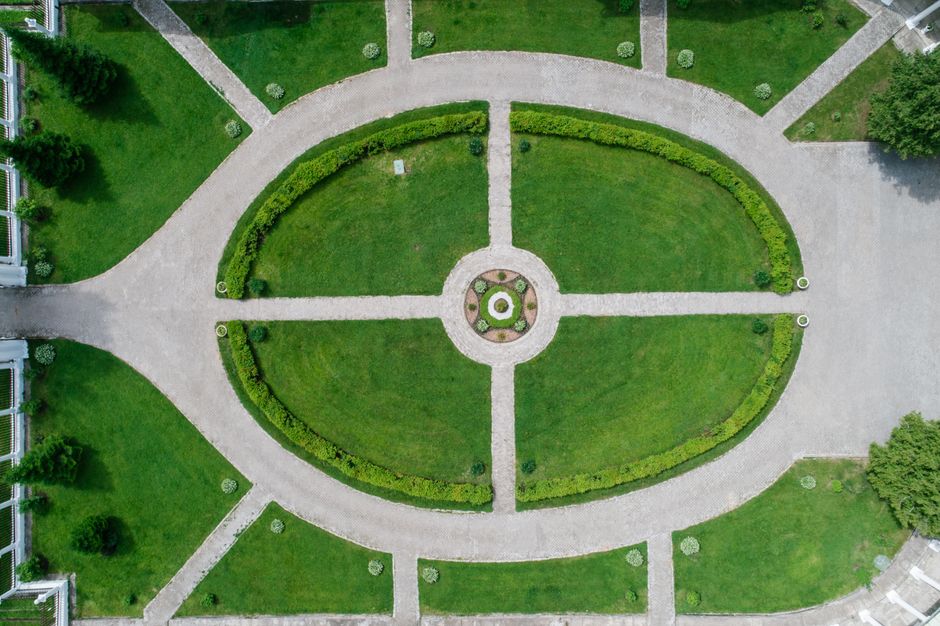
Overplanted, high-maintenance foundation shrubs are also on the way out. Rows of identical boxwoods or junipers trimmed into rigid shapes feel stiff and outdated compared to the more relaxed, naturalistic planting design that homeowners and designers are embracing today. A layered approach using native plant garden design principles creates more visual interest and supports local wildlife at the same time.
Artificial turf, once promoted as a water-wise landscaping solution, is now being questioned more seriously. While it does reduce water use, synthetic grass heats up significantly in warm weather, does not support pollinators, and creates long-term plastic waste. Many designers are steering clients toward xeriscape garden design and drought tolerant garden design instead, which deliver real sustainability benefits without the drawbacks.
Gravel-only yards are another trend that has run its course. A yard filled entirely with decorative rock or gravel can look stark, absorbs and radiates heat, and does little for biodiversity. A more balanced approach combines permeable surfaces with thoughtful planting design, rain garden design features, and strategic garden edging ideas that give structure without sacrificing life and texture.
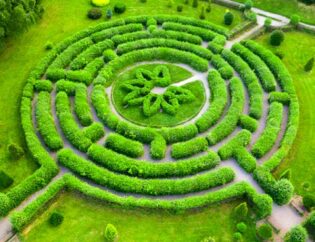
Overly themed or novelty gardens are fading too. Elaborate fairy gardens, heavily themed tropical displays in non-tropical climates, and decorative elements that prioritize aesthetics over function are being replaced by designs that feel cohesive, grounded, and suited to the local environment. Modern garden design is moving toward spaces that feel intentional rather than assembled from trends.
Excessive landscape lighting is another area where designers are pulling back. Strings of lights covering every surface, oversized lanterns, and lighting that runs all night can create light pollution and disrupt local ecosystems. Thoughtful landscape lighting ideas focus on safety, ambiance, and highlighting key features rather than flooding the entire yard with light.
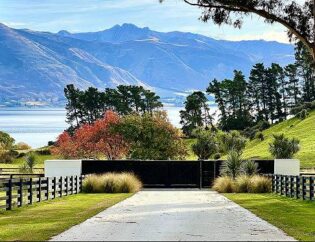
Finally, privacy landscaping built entirely from fast-growing invasive species is being reconsidered. Plants like Leyland cypress or certain bamboo varieties were popular for creating quick screens, but they often outgrow their space, damage infrastructure, and crowd out native plants. Designers now recommend slower-growing native alternatives that provide privacy without the long-term management headaches.
Martin Palma, founder and CEO of Ecolandscape Studio, has seen these shifts play out across dozens of residential projects over the years. In his experience, homeowners who invest in pollinator garden design, native planting, and water-wise landscaping from the start consistently end up with yards that are easier to maintain, more resilient through seasonal changes, and genuinely more satisfying to spend time in. The shift away from high-input, high-maintenance choices is not just an aesthetic preference — it reflects a deeper understanding of how outdoor spaces actually function over time.
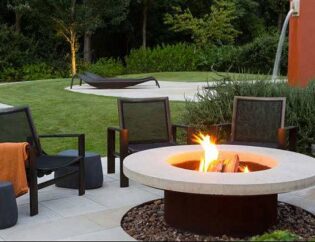
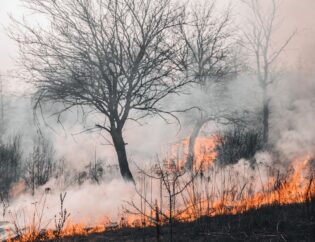
The direction landscape design is heading in 2026 is toward outdoor living space design that works with the local climate rather than against it. Fire resistant landscaping is gaining attention in drier regions, where plant selection and spacing can meaningfully reduce risk. Rain garden design is becoming a practical tool for managing stormwater in areas with heavy rainfall. Patio landscaping ideas are leaning toward permeable materials and integrated planting rather than solid hardscape surrounded by nothing green.
Small backyard design is also evolving. Compact spaces are being treated with the same care and intention as larger properties, with layered planting, defined zones for seating and movement, and smart use of vertical space. The goal is an outdoor space that feels complete and comfortable, not just filled.
If you are planning updates to your yard landscaping design this year or next, the most useful question to ask is whether each element you are adding will serve you well five or ten years from now. Trends that require constant intervention, heavy watering, or frequent replacement are giving way to choices that are durable, ecologically sound, and genuinely enjoyable. That is the direction residential landscape design is heading, and it is a practical one worth following.