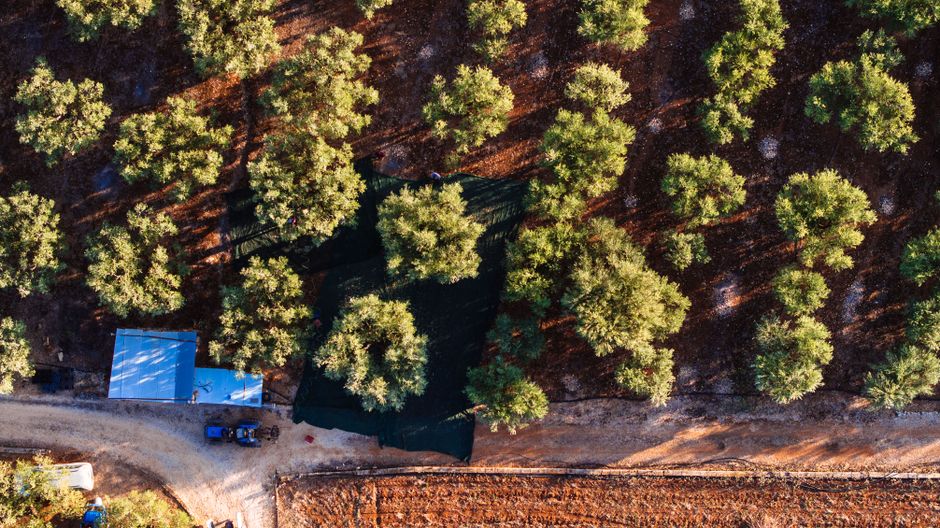
Bahrain is making a serious move toward rethinking how land is used, and the approach it is taking has real lessons for anyone interested in sustainable garden design and water-wise landscaping. The country is exploring xeriscape agroforestry as a way to protect its agricultural sector from the growing pressures of climate change, water scarcity, and extreme heat. While this might sound like a large-scale policy story, the principles behind it translate directly into how homeowners and property owners can approach their own yard landscaping design.
The core idea is straightforward. Xeriscape garden design combines drought-tolerant plant selection with smart water management, reduced lawn areas, and layered planting design that works with the local climate rather than against it. Agroforestry adds another layer by integrating trees, shrubs, and productive plants into the same space, creating a system where each element supports the others. In Bahrain’s case, this means using native and adapted species to stabilize soil, reduce evaporation, and produce food with far less water than conventional farming requires.
For homeowners, the connection is direct. Many of the same challenges Bahrain faces at an agricultural scale, heat stress, water loss, soil degradation, and low plant survival rates, show up in residential backyards and front yards across dry and semi-arid regions. A low maintenance garden design built on xeriscape principles can dramatically reduce irrigation needs while still creating a beautiful, functional outdoor living space.
Drought-tolerant garden design does not mean bare gravel and a few cacti. Done well, it means layered planting with native plant species, permeable surfaces, rain garden design elements that capture and direct water where it is needed, and thoughtful landscape lighting ideas that extend the usability of outdoor spaces into cooler evening hours. The result is a yard that performs well under stress, requires less intervention, and stays attractive through dry seasons.
Martin Palma, founder and CEO of Ecolandscape Studio, has worked on a range of water-wise landscaping projects and consistently finds that clients underestimate how much a shift in plant selection changes everything. In his experience, once a garden is designed around drought-tolerant and native species from the start, the maintenance load drops significantly, irrigation costs fall, and the garden actually becomes more resilient over time rather than declining season by season. That shift in thinking, from fighting the climate to working with it, is exactly what xeriscape agroforestry promotes at every scale.
Bahrain’s approach highlights a few design principles that apply directly to backyard landscaping ideas and front yard landscaping ideas in any region dealing with water stress or heat.
Choosing the right plants is the foundation. Native plant garden design and pollinator garden design naturally overlap here, because plants adapted to local conditions tend to support local wildlife without extra effort. Replacing traditional lawn areas with lawn alternatives like ground covers, gravel zones, or low-growing native grasses reduces both water use and maintenance time.
Layering is another key principle. Combining canopy trees, mid-level shrubs, and low ground cover mimics how natural ecosystems manage heat and moisture. This layered approach also creates privacy landscaping opportunities and adds visual depth to a small backyard design or a larger residential property.
Water management should be built into the design from the beginning. Rain garden design, swales, and permeable paving all help direct rainfall into the soil rather than letting it run off. This is especially relevant in areas where rainfall is irregular but intense when it does arrive.
Fire resistant landscaping is another consideration that connects to xeriscape principles. Drought-tolerant plants with high moisture content and low resin levels are naturally more fire-resistant, which is an increasingly relevant factor in landscape planning across many regions.
Garden edging ideas, planting design choices, and patio landscaping ideas all contribute to how a space performs under climate stress. Even small decisions, like choosing a permeable patio surface or adding a rain-capturing planter near a downspout, add up to a more resilient outdoor space overall.
The broader lesson from Bahrain’s xeriscape agroforestry initiative is that climate-adapted design is not a compromise. It is a smarter way to plan any outdoor space. Whether you are working on a modern garden design for a new property or rethinking an existing yard, the principles of water-wise landscaping, native planting, and reduced lawn coverage offer a practical path toward a garden that looks good, costs less to maintain, and holds up better as conditions change. Starting with the right plants and a clear water management strategy makes every other decision easier from that point forward.









