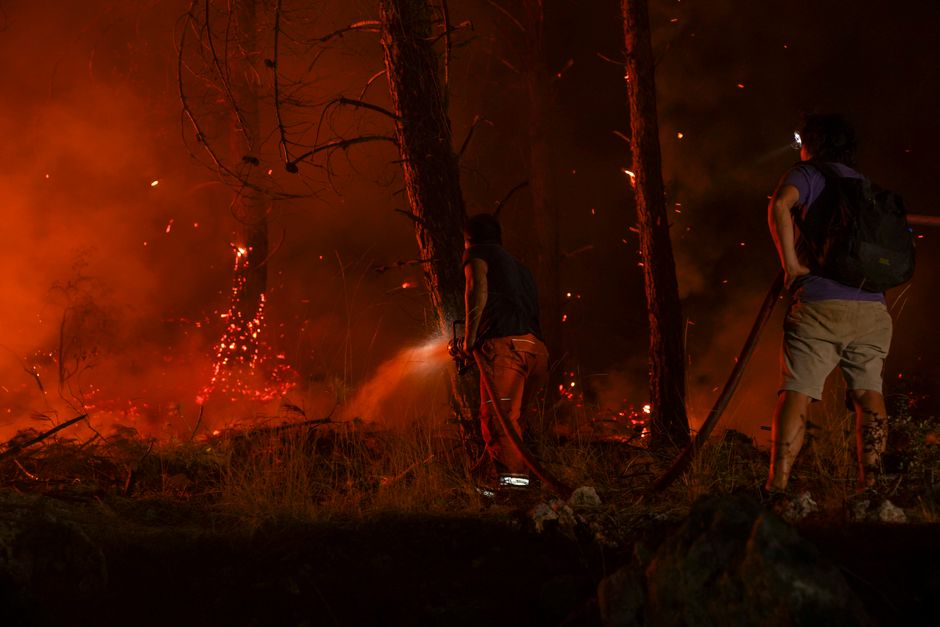
A small community in British Columbia just made a meaningful step toward safer, more resilient residential landscapes — and the story carries practical lessons for homeowners far beyond the Okanagan region. Peachland has fully allocated its FireSmart grant funding, with every dollar directed toward helping residents reduce wildfire risk on their properties. The response from the community was enthusiastic, and local officials described the outcome as extremely pleasing. For anyone thinking about fire resistant landscaping, drought tolerant garden design, or simply making smarter choices about their yard, this is a story worth paying attention to.
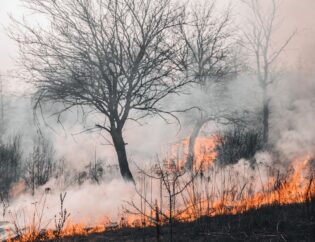
The FireSmart program is a Canadian initiative that helps homeowners and communities reduce the vulnerability of their properties to wildfire. Grant money distributed through the program is used to fund practical landscaping improvements — things like removing dry or combustible vegetation, replacing high-risk plants with fire resistant species, and creating defensible space around structures. In Peachland, the full allocation of these funds signals strong community interest in proactive landscape management, particularly in a region where dry summers and wildfire risk are a consistent reality.
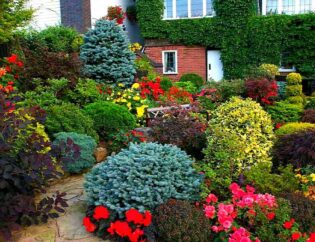
Fire resistant landscaping is not about removing all plants and covering everything in gravel. It is about making thoughtful planting design decisions that reduce the chance of fire spreading toward a home. This means choosing low-growing, moisture-retaining plants over tall, dry, resinous shrubs. It means creating zones around the home where vegetation is managed carefully, spaced appropriately, and kept well-watered or replaced with non-combustible materials like stone, concrete, or decomposed granite.
Native plant garden design plays a natural role here. Many native species adapted to dry climates are also naturally more fire resistant than ornamental exotics. Drought tolerant garden design and xeriscape garden design principles align closely with FireSmart recommendations, since plants that require less water tend to retain more moisture in their tissues and burn less readily. Rain garden design and water wise landscaping strategies also support this goal by keeping soil and plant material better hydrated during dry periods.
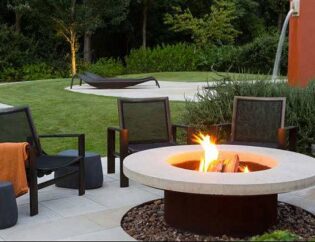
Practical yard landscaping design in fire-prone areas often includes wider spacing between plants, the removal of dead wood and leaf litter, and the use of hardscape elements like patios, gravel paths, and stone garden edging to create breaks in vegetation. These are not just safety features — they are also elements of modern garden design that can make a backyard or front yard look clean, structured, and intentional.
Martin Palma, founder and CEO of Ecolandscape Studio, has worked on residential landscape design projects in regions where fire risk is a genuine concern, and he points out that homeowners often underestimate how much their existing planting choices contribute to that risk. In his experience, the most effective approach is to start with a full site assessment — looking at what is growing within the first few meters of the home, how dry the soil gets in summer, and whether the current layout creates continuous fuel pathways that fire could travel along. Small adjustments to planting design and the introduction of fire resistant ground covers can make a significant difference without sacrificing the visual appeal of the outdoor living space.
If you are a homeowner in a wildfire-prone area, or simply someone who wants to make smarter landscaping decisions, there are several directions worth exploring. Start by reviewing what is planted closest to your home. Tall, dense shrubs with dry or resinous foliage are the highest priority for replacement or removal. Replace them with lower-growing, moisture-retaining alternatives that still provide privacy landscaping benefits or visual interest.
Consider lawn alternatives in areas where grass dries out completely in summer. Gravel, decomposed granite, flagstone, or low-growing succulent ground covers can serve as effective firebreaks while also reducing maintenance demands. Low maintenance garden design and fire resistant landscaping are not competing goals — they often point toward the same solutions.
Landscape lighting ideas are also relevant here. Well-placed lighting along paths and near the home perimeter can help with nighttime visibility and security, while also drawing attention to the landscaping zones you have worked to maintain. Pollinator garden design using native, drought-adapted species can add ecological value while keeping fire risk low.
The Peachland example is a reminder that community-level programs can make a real difference when homeowners are ready to act. If similar grant programs exist in your area, they are worth investigating. And even without grant support, the principles of fire resistant landscaping, water wise landscaping, and thoughtful planting design are accessible to most homeowners willing to take a closer look at their outdoor spaces. The goal is a yard that looks good, functions well, and gives you one less thing to worry about when fire season arrives.