If you live in Tennessee and have been thinking about refreshing your yard with plants that actually do something meaningful, here is a genuinely good opportunity. The Tennessee Wildlife Resources Agency, in partnership with the Monarch Watch program, is offering free native milkweed seeds to residents who want to support monarch butterflies, native bees, and other pollinators. The program is straightforward — you request the seeds, plant them, and your garden becomes part of a larger effort to restore pollinator habitat across the state.
This kind of initiative fits naturally into what we at Ecolandscape Studio have been encouraging for years: building residential landscapes that are beautiful, functional, and ecologically connected to the local environment.
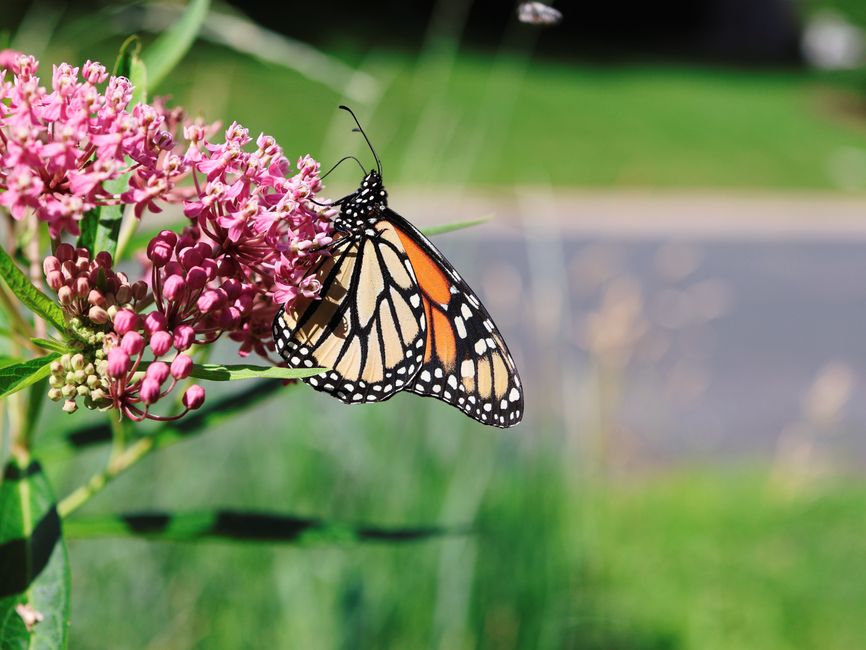
Milkweed is the only plant monarch butterflies use to lay their eggs, and it is the sole food source for monarch caterpillars. Without it, the monarch population cannot recover. Beyond monarchs, milkweed flowers attract a wide range of native bees and other beneficial insects, making it a strong choice for anyone working on a pollinator garden design or a native plant garden design.
From a practical landscaping standpoint, native milkweed species are well adapted to Tennessee’s climate and soil conditions. They tend to be low maintenance once established, which makes them a smart fit for homeowners looking for a low maintenance garden design that still delivers visual interest and ecological value. The plants produce clusters of flowers that range from soft pink to bright orange depending on the species, and they hold their own in both backyard landscaping ideas and front yard landscaping ideas when placed thoughtfully within a planting design.
The seeds available through this program are native species, not tropical milkweed, which is an important distinction. Tropical milkweed can interfere with monarch migration patterns if it stays green through winter in warmer climates. Native varieties die back naturally with the season, which supports the monarchs’ instinct to migrate rather than linger.
Martin Palma, founder and CEO of Ecolandscape Studio, has seen firsthand how native plantings shift the entire character of a residential landscape. In his experience working on yard landscaping design projects across different regions, adding even a small cluster of native flowering plants to a property creates a noticeable increase in pollinator activity within a single growing season. He often recommends milkweed as a starting point for clients who are new to native plant garden design because it is forgiving, visually appealing, and immediately useful to wildlife.
Requesting the seeds is free and open to Tennessee residents. Once you have them, the next step is choosing the right spot in your landscape. Milkweed generally prefers full sun and well-drained soil, though some species tolerate partial shade or wetter conditions. A south or west-facing area of your backyard or front yard that gets at least six hours of sunlight is a good starting point.
For homeowners working with a small backyard design, milkweed does not need a large footprint. A dedicated pollinator corner, a border along a fence, or a section of a mixed planting bed can work well. Pairing milkweed with other native flowering plants extends the bloom season and creates a more complete habitat for bees and butterflies throughout the year.
If you have been exploring lawn alternatives or water wise landscaping options, replacing a section of turf with a native plant garden is one of the most effective changes you can make. It reduces water use, cuts down on mowing, and creates genuine habitat value. Milkweed fits naturally into this kind of planting design alongside other drought tolerant garden design choices.
Garden edging ideas can help define a pollinator bed and keep it looking intentional rather than overgrown. A clean edge in stone, steel, or natural timber separates the native planting area from the rest of the lawn and gives the design a polished, considered appearance. Landscape lighting ideas can also be used to highlight the bed in the evening, making the space feel like a true outdoor living space design feature rather than just a functional patch of plants.
The broader goal of programs like this one is to create connected corridors of habitat across neighborhoods and regions. When individual homeowners make small changes to their residential landscape design, the cumulative effect on pollinator populations is real and measurable. Tennessee is located along a major monarch migration route, which makes the state’s participation in habitat restoration especially meaningful.
If you have been looking for a practical, low-cost way to improve your home garden design while contributing to something larger, this seed program is worth taking seriously. Native plants are the foundation of sustainable landscaping, and milkweed is one of the most impactful choices you can make for your yard.