There is something quietly transformative about the hour before sunset. The light shifts from harsh white to a deep amber glow, and the garden becomes something entirely different — softer, warmer, almost theatrical. For gardeners and landscape designers, this window of time is not just beautiful to observe. It is a practical guide for choosing plants and arranging outdoor spaces in ways that feel alive and intentional.
At ecolandscapestudio.com, the relationship between natural light and plant selection is central to how gardens are designed. The golden hour is not a decorative afterthought — it is a design tool.
Why Golden Hour Light Changes Everything
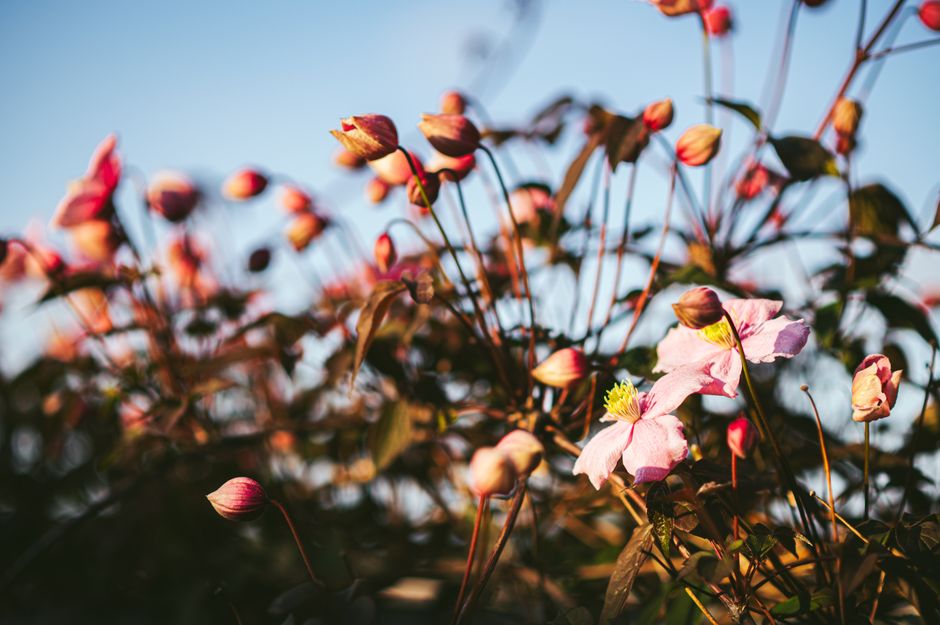
The warm, low-angle light of early evening does specific things to color and texture. It amplifies yellows, oranges, and reds while softening purples and blues. It creates long shadows that give depth to flat garden beds. It catches the edges of leaves and petals in ways that midday sun never does. A plant that looks ordinary at noon can become genuinely striking at 6 PM.
This means that selecting plants purely based on how they look in a nursery or in catalog photos can lead to disappointing results. The real question is how a plant performs in the light conditions of your specific garden at the time of day when you are most likely to enjoy it.
Plants That Shine in Warm Evening Light
Certain plants are natural performers during golden hour. Their colors, textures, and forms respond to warm light in ways that make them worth prioritizing in any garden design.
- Rudbeckia (Black-eyed Susan) — the deep yellow petals and dark centers absorb and reflect golden light beautifully, creating a glowing effect that is hard to replicate with other plants
- Helenium (Sneezeweed) — its rich copper and burnt orange tones intensify under evening light, making it one of the most visually rewarding late-season bloomers
- Echinacea (Coneflower) — the warm pink and orange varieties catch light along their petals while the seed heads create interesting silhouettes
Kniphofia (Red Hot Poker) — the vertical torch-like flowers become almost luminous when backlit by low evening sun
Achillea (Yarrow) — flat-topped clusters in yellow, gold, and terracotta tones spread light evenly across the garden bed
Miscanthus and other ornamental grasses — their feathery plumes catch and scatter golden light, adding movement and warmth to any composition
Hemerocallis (Daylily) — particularly the orange and yellow varieties, which seem to hold the last light of the day long after the sun has dropped
Grasses deserve special mention because they respond to backlit conditions with a translucency that few flowering plants can match. Placing them where the setting sun shines through rather than onto them creates a completely different visual effect.
Designing for the Golden Hour
Plant selection is only part of the equation. Garden layout and orientation play an equally significant role in how evening light moves through a space.
Beds positioned to face west or southwest will receive the most direct golden hour light. Placing taller plants at the back of these beds allows light to filter through mid-height and shorter plants in front, creating layered illumination rather than flat, even coverage.
Paths and seating areas oriented toward the west give people a reason to be in the garden during those final hours of daylight. A bench placed to face a golden hour border is not just a practical seat — it is an invitation to slow down and actually experience the garden at its best.
Reflective surfaces also matter. Light-colored gravel, pale stone walls, and water features all bounce warm evening light back into the garden, extending the glow and softening shadows. Dark mulch, by contrast, absorbs light and can make a bed feel heavier and less dynamic during golden hour.
Color Palette Considerations
Working with golden hour light means thinking carefully about color temperature. Warm colors — reds, oranges, yellows, and bronzes — are amplified by evening light and tend to advance visually, appearing closer and more intense. Cool colors — blues, purples, and whites — recede and can look washed out or flat under warm light.
This does not mean eliminating cool tones from a garden designed for evening enjoyment. Purple Salvia or blue Agapanthus can provide contrast and depth when placed alongside warm-toned plants. The key is proportion — letting warm colors lead while cool tones support.
Thinking Beyond Flowers
Foliage plays a significant role in golden hour gardens. Leaves with bronze, copper, or burgundy tones — like those of Heuchera or Cotinus — respond to warm light in ways that rival any flower. Silvery foliage, such as Stachys or Artemisia, catches light differently, creating a soft shimmer that adds texture without competing with flowering plants.
Seed heads and structural forms also become more interesting as the light drops. Plants like Allium, Eryngium, and Phlomis offer architectural silhouettes that are most dramatic when the sun is low.
Designing a garden that performs during golden hour is ultimately about paying attention — to light direction, to color response, to the way texture changes as shadows lengthen. The plants are already doing their part. The designer’s role is simply to put them in the right place at the right time.