In recent years, sustainability has become an integral part of many industries, and landscape design is no exception. One of the key aspects of this trend is the use of eco-friendly garden tools that help minimize negative environmental impacts. Ecolandscape Studio believes that the transition to such tools is not only an important step toward ecosystem conservation but also part of a broader concept of sustainable landscape design that considers ecological, economic, and social factors.
Battery-powered and Solar Devices
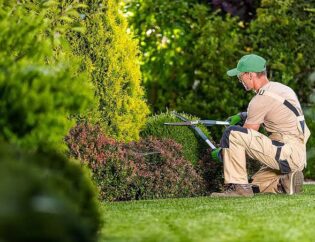
Modern gardening technologies are increasingly favoring battery-powered and solar devices. For example, battery-powered lawnmowers, trimmers, and garden saws are becoming popular due to their environmental benefits. These devices reduce CO₂ emissions and avoid the air pollution typically associated with gasoline-powered models. They also lower noise pollution, which is particularly important in urban areas where noise regulations are critical for human health. Additionally, solar-powered irrigation systems, such as solar pumps for ponds or automatic watering systems powered by renewable solar energy, enable efficient water management and reduce energy consumption, which is crucial in regions with limited water resources.
Use of Recycled Materials
Another important aspect is the materials used to make the tools. Recycled materials, such as plastic and metal components, help reduce waste and create sustainable products that last longer and do not require frequent replacement. For instance, garden tools made from recycled plastic using extrusion technology can be just as durable and functional as those made from primary materials. Plastic items used in greenhouses or for harvesting storage help reduce the consumption of new resources, thus minimizing the carbon footprint. The use of recycled materials promotes circularity in production processes and reduces waste volume.
Organic Fertilizers and Mulching
An integral part of sustainable landscape design is the use of organic fertilizers and mulching techniques made from natural or recycled materials. The application of compost, biohumus, or seaweed extracts helps restore soil microorganism balance, improve soil structure, and enhance its water-holding capacity. These fertilizers not only improve soil quality but also reduce the need for chemical agrochemicals that can harm the ecosystem. Mulching, in turn, helps maintain an optimal microclimate in the root zone of plants, prevents soil degradation, and aids in moisture retention, which is particularly important in dry regions. Reducing the need for artificial irrigation and chemical pesticides through organic methods is a key part of the permaculture concept, aimed at creating self-sustaining ecosystems.
Mulching and Microclimate Management
Sustainable microclimate management is a vital component of ecological landscape design. The use of mulching helps regulate soil temperature and moisture levels, which is especially important in the face of global climate change. Mulch prevents root overheating during hot days, and in colder weather, it helps prevent soil freezing. This method contributes to creating more stable conditions for plant growth, reducing the need for additional watering and chemical fertilizers. Applying mulch and microclimate control techniques also helps protect soil from erosion, which is important for slopes and areas with low natural resilience.
Awareness of the Importance of Sustainability
Transitioning to sustainable practices requires changes at the level of consciousness for those working in gardening and landscape design. Professional gardeners and landscape designers are increasingly recognizing the importance of using eco-friendly tools and materials within the framework of environmental responsibility. The inclusion of methods such as ecological design and a systems approach to landscape planning helps integrate natural processes into the built environment, reducing the need for additional resources and enhancing long-term sustainability. For example, the choice of battery-powered and solar devices requires an initial investment, but in the long term, it pays off through savings on fuel, energy, and reduced operating costs.
Application of Eco-friendly Solutions in Ecolandscape Studio
At Ecolandscape Studio, we actively implement eco-friendly practices and use innovative tools that help create not only aesthetically pleasing but also environmentally safe landscapes. As our founder and CEO, Martin Palma, notes, “We always adhere to the principles of sustainability and innovation in landscape design. It’s important for us that every project is not only visually appealing but also environmentally safe. The introduction of eco-friendly tools and technologies into our daily work is our way of contributing to the preservation of the planet for future generations.” We strive to integrate cutting-edge sustainable technologies and circular economy principles into each of our projects.