Vertical gardens and green facades have become an essential element of modern landscape design, providing solutions for greening urban spaces where every square meter counts. These systems add aesthetic appeal to buildings, play a key role in improving the quality of the surrounding environment, reducing urban temperatures, improving air quality, and creating ecosystems that positively impact human health. At Ecolandscape Studio, we believe that the right choice of tools, materials, and technologies for installing vertical gardens is the key to the sustainability and effectiveness of green facades in the long term. In this article, we will detail how to select the most suitable systems and tools for creating vertical gardens and share unique tips that we apply in our practice.
The Importance of Choosing the Right Tools and Materials
Creating vertical gardens is a complex engineering task where every element, from the choice of materials to irrigation technologies, must be carefully considered. It’s important to understand that vertical gardens are not only decorative elements but also ecosystems that require a thoughtful approach at every stage of their creation.
At Ecolandscape Studio, we begin the design process by analyzing the environment, climate, and client requirements to select the optimal tools and materials. Understanding how the system will function over decades determines the choice of materials, technologies, and tools.
Incorrect selection of systems or materials can lead to a range of issues, from inadequate drainage and improper water distribution to structural deformation and even plant death. It is important to consider both the aesthetic aspects and functional factors, such as durability, weather resistance, and irrigation efficiency.
Types of Systems for Vertical Gardens
At Ecolandscape Studio, we implement projects using several types of vertical gardens depending on the conditions and requirements of our clients. Each system has its own features and advantages, which should be taken into account during the selection process.
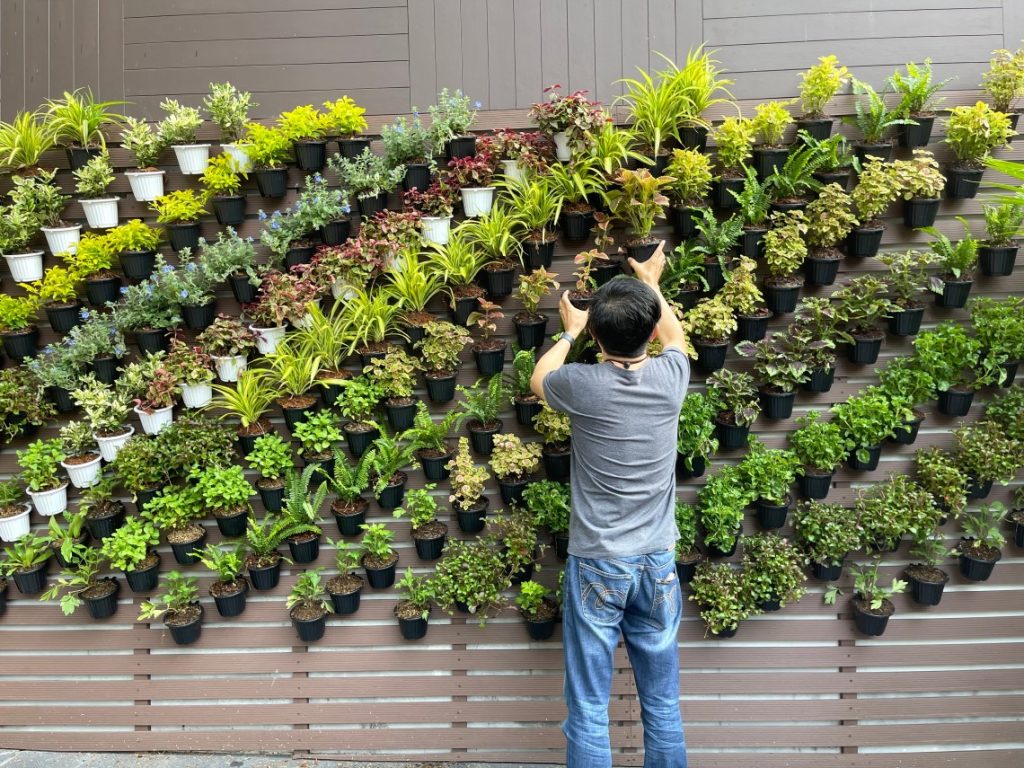
Modular systems for vertical gardens consist of panels or blocks that are installed on a vertical surface and connected to each other. These systems allow for flexible adaptation of the project to any space, providing the ability to create a variety of structures and shapes. Panels can be made from different materials, such as recycled plastic, metal, or natural components, which provide the necessary strength and resistance to external impacts.
However, even within a modular system, the choice of material must be made carefully. For example, panels made of cheap plastic may deteriorate faster due to exposure to sunlight or temperature fluctuations. We recommend choosing eco-friendly and durable materials that guarantee not only longevity but also the safety of the plants.
Hydroponics is a technology for growing plants without soil, using water solutions that contain nutrients. This approach is ideal for vertical gardens, especially in limited spaces. In hydroponic systems, plants receive all the necessary elements through water, which eliminates issues related to soil, such as salinization or diseases.
However, hydroponic systems require a special approach. It is important to monitor the water level, nutrient concentration, pH, and temperature. At Ecolandscape Studio, we offer high-tech hydroponic systems with automatic control of these parameters, which significantly simplifies plant care and enhances growth efficiency. Despite the higher initial installation costs, hydroponic systems pay off in the long term as they save water and provide optimal conditions for plant growth.
For traditional green facades that use soil, we often implement systems based on drip irrigation and automatic drainage management. Drip irrigation is the most efficient system for vertical gardens as it allows for precise water dosing, preventing overwatering and waste. For each installation, it is essential to fine-tune the amount of water supplied to the plants based on their type and climate conditions.
Automatic irrigation systems connected to timers ensure that the plants receive the necessary amount of water at specific times, minimizing labor and optimizing water consumption. Together with proper drainage, these systems create a stable ecosystem for the plants, preventing decay and ensuring consistent growth.
Key Tools for Installation and Maintenance of Vertical Gardens
The installation of vertical gardens requires the use of various tools and equipment, including for system installation, irrigation setup, and plant care. At Ecolandscape Studio, we always use only professional and tested tools that ensure reliability and precision in our work.
For the installation and mounting of vertical gardens, we use drills, screwdrivers, and fasteners such as anchors and bolts to securely attach panels and modules to walls. For creating hydroponic systems, we use cutters and tools for working with pipes, as well as specialized pumps and filters that maintain water circulation in the system.
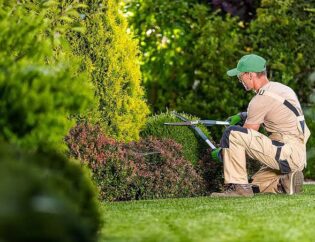
In addition, for regular plant care, tools such as pruners, scissors, and garden brushes are essential for trimming and maintaining plant health and appearance. Fertilizers and organic solutions are also crucial components that help maintain an optimal nutrient balance in the soil or water medium.
As Martin Palma, the founder and CEO of Ecolandscape Studio, noted, “The key to successful vertical gardens and green facades lies in the harmony between design and functionality. We always prioritize the needs of our clients and the specific requirements of each project. It is important to understand that a vertical garden is a living organism that requires constant attention and optimal growing conditions.” At Ecolandscape Studio, we always adhere to this approach, combining the latest technologies and eco-friendly materials to ensure our projects are not only beautiful but also long-lasting.
Choosing the right tools and materials for creating vertical gardens and green facades is a technical task that forms the foundation of creating a sustainable and effective ecosystem. At Ecolandscape Studio, we understand the importance of every element, from the structure to the irrigation system, and always find an individual approach to each project. With the right selection of materials and technologies, and considering the specifics of your space, you can create not only a beautiful but also a durable vertical garden that will bring you joy for many years.