In the Ecolandscape Studio blog, we often discuss landscape design, yard improvement, and creating functional, beautiful outdoor spaces. Today, we want to focus on a topic that directly affects safety assessing risks associated with trees.
Trees bring life and harmony to any garden, provide shade, improve microclimates, and enhance the visual appeal of a property. However, without regular evaluation, even a seemingly healthy tree can pose a hazard. Falling branches or a weakened root system can damage property, vehicles, infrastructure, and, in the worst case, pose a risk to people. In professional landscape design, tree safety is considered an essential part of any project.
Why Early Risk Assessment is Essential
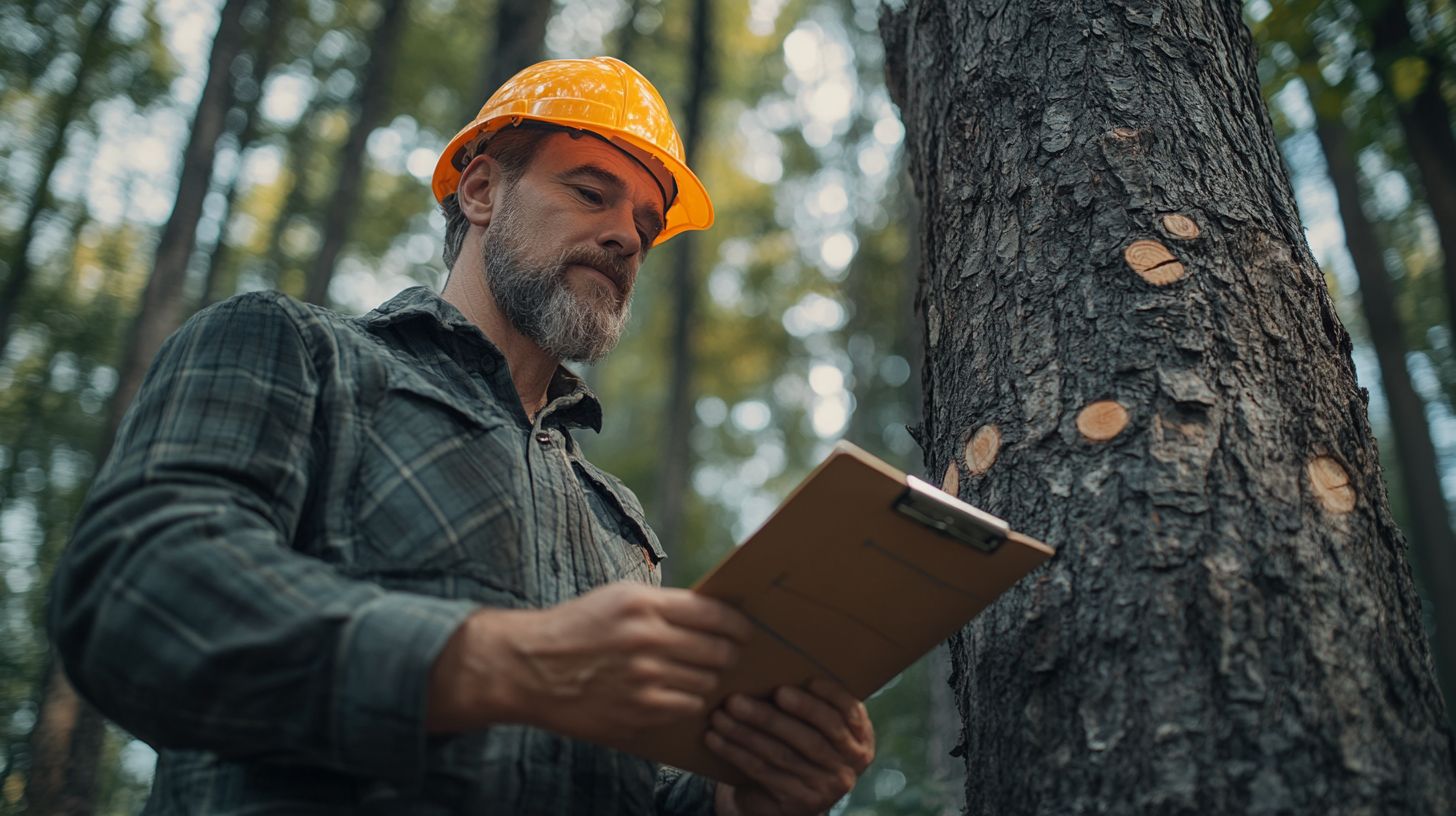
Regular inspections allow early detection of structural weaknesses before extreme weather events occur. Arborist practice shows that most tree failures are not sudden; they result from long-term, hidden defects. Cracks, deformations, leaning trunks, and dead branches are early warning signs of structural instability.
Early assessment provides an opportunity to take corrective action: reinforce the root system, install support cables, or add props, rather than losing a tree entirely. At Ecolandscape Studio, we view tree risk assessment as an integral part of comprehensive yard improvement and responsible landscape management.
Key Elements to Evaluate
- Trunk Condition
Cracks, cavities, and signs of decay reduce a tree’s strength. Even minor defects may indicate internal problems that threaten stability. In our projects, we always assess both external appearance and structural load to ensure safety in the surrounding area. - V-Shaped Branch Unions
Branches that grow at a sharp angle and rub against each other create tension points over time. New growth can act as a wedge, leading to internal decay and eventual splitting. These areas require careful monitoring and management to maintain both tree health and landscape safety. - Dead or Overloaded Branches
Dead branches are particularly hazardous during strong winds or heavy snow. Timely removal reduces risk and preserves the balanced look of the canopy. - Root System Health
Damage to roots, soil compaction, or changes in ground level can compromise stability even in a visually healthy tree. Proper protection of root zones is essential during construction, landscaping, and utility work. Our experience shows that many critical incidents originate from hidden root damage.
Assessment Methods
Tree risk evaluation combines visual inspection with technical diagnostic tools. When necessary, instruments such as resistographs and tomographs can detect hidden cavities and internal decay.
At Ecolandscape Studio, we follow the principle of proportional assessment: not every tree requires advanced testing, but when signs of potential issues appear, detailed diagnostics help make accurate decisions to keep trees safe and healthy.
Common Mistakes by Property Owners
A frequent misconception is that green foliage guarantees safety. Internal defects can develop over years without visible signs.
Another common error is aggressive DIY pruning. Improper removal of large branches disrupts canopy balance and increases the risk of failure.
Property owners also often underestimate the impact of construction work on the root system. Even partial root damage can significantly weaken a tree.
Martin Palma, Founder and CEO of Ecolandscape Studio, emphasizes: “Safety should always go hand in hand with aesthetics. A beautiful garden cannot be considered successful if it is potentially dangerous. Tree risk assessment allows us to preserve the harmony of the landscape while protecting people and property.”
This philosophy reflects our studio’s approach: landscape design is a combination of artistry, technical understanding, and responsible stewardship.
Trees are a vital element of any landscape, but they require careful and professional management. Regular risk assessment allows for early detection of defects, prevention of accidents, and prolongs the lifespan of greenery.
Proper evaluation and monitoring are integral to professional yard improvement. At Ecolandscape Studio, we are confident that a responsible approach to tree management helps create landscapes that are not only beautiful but also safe and functional, providing long-term enjoyment and protection for property owners.