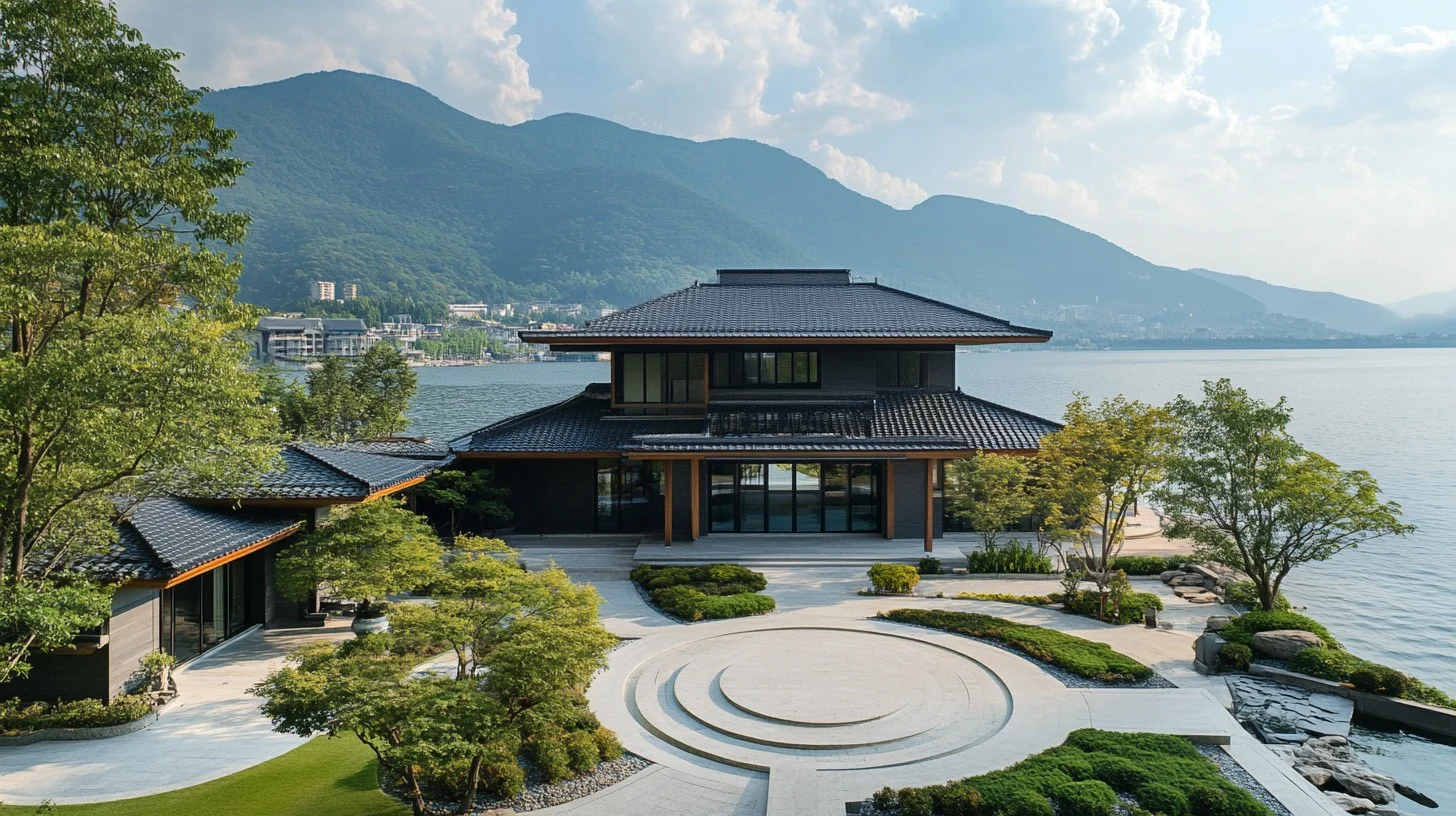
In the Ecolandscape Studio blog, we regularly share professional insights on landscape design, yard improvement, backyard design, and site landscaping. Today, we would like to explore how to transform a lakeside property into a refined, functional, and sustainable outdoor space that delivers comfort and visual elegance throughout the year.
A lakeside setting is truly unique. Increased air humidity, light reflection from the water, natural slopes, and dynamic shoreline conditions create a special microclimate. When approached strategically, these natural characteristics become powerful assets in landscape design. With the right planning, plant selection, and structural solutions, a waterfront property can become both luxurious and environmentally resilient.
Why Lakeside Landscape Design Requires a Specialized Approach
Designing near water requires a deep understanding of soil composition, shoreline stability, wind exposure, and seasonal water level changes. These factors directly influence long term durability and the success of landscaping solutions.
Professional shoreline landscaping guidelines emphasize that erosion control is one of the most critical elements of waterfront yard improvement. Plants with strong, fibrous root systems help stabilize soil and reduce runoff. In our expert opinion at Ecolandscape Studio, shoreline planting is not only decorative but structural. Vegetation becomes a natural reinforcement system that protects the integrity of the property.
Another key consideration is water flow management. Without proper drainage planning, even the most beautiful backyard design can suffer from soil displacement and plant stress. Integrating subtle grading strategies and permeable surfaces ensures that water works with the landscape rather than against it.
Key Elements of a Luxurious Lakeside Landscape
Creating luxury at the lake is not about excess. It is about harmony, proportion, and thoughtful integration with nature.
The first step is comprehensive site analysis. At Ecolandscape Studio, we evaluate wind direction, sun exposure, elevation changes, and shoreline conditions before developing a landscape concept. This allows us to design spaces that feel natural while functioning efficiently.
Plant selection is another foundational element. Research in sustainable waterfront landscaping consistently highlights the importance of using adaptive and native plant species. These plants tolerate moisture fluctuations, require less maintenance, and support local biodiversity. In our professional experience, native grasses, ornamental perennials, shoreline shrubs, and moisture tolerant flowering plants create layered visual depth while protecting the soil.
Hardscape integration must be approached carefully. Natural stone pathways, terraced seating areas, and viewing platforms should enhance the shoreline rather than compete with it. In many successful international lakefront projects, designers use large natural stone placements to reinforce the shoreline while maintaining aesthetic integrity. We consider this approach both practical and visually sophisticated.
Functional Zoning for Comfort and Longevity
A well designed lakeside backyard design typically incorporates subtle level transitions. Multi tiered layouts create defined functional zones without disrupting the natural slope.
In one of our recent projects, we created three integrated levels. The lowest level maintained open visual access to the water. The middle level incorporated erosion resistant plantings to stabilize the terrain. The upper level was dedicated to relaxation areas with seating and shaded structures overlooking the lake.
This zoning strategy improves usability while protecting the shoreline. It also enhances the perception of space, making the property feel larger and more dynamic.
From our professional standpoint, thoughtful zoning is one of the most underestimated aspects of waterfront landscape design. When executed properly, it transforms a simple lakeside yard into a cohesive and immersive outdoor living experience.
Common Mistakes in Lakeside Landscaping
One of the most frequent mistakes is selecting plants that are not suited to fluctuating moisture levels. While certain ornamental varieties may look appealing, they often struggle in waterfront conditions. Choosing adaptive species prevents plant loss and reduces long term maintenance costs.
Another common issue is neglecting drainage planning. Without proper water management, oversaturation can weaken soil structure and damage plant health. Incorporating discreet drainage solutions is essential for sustainable yard improvement.
Material selection is equally important. Surfaces exposed to constant moisture must be durable and slip resistant. Investing in high quality natural materials enhances safety and ensures the longevity of the design.
Expert Insight from Ecolandscape Studio
Martin Palma, Founder and CEO of Ecolandscape Studio, shares his perspective: “Designing lakeside landscapes has taught me that true luxury comes from balance. A successful waterfront project respects natural processes while elevating the living experience. When the design supports the land instead of overpowering it, the result feels effortless and timeless.”
His philosophy reflects our studio’s core belief that landscape design is both an art and an ecological responsibility.
A lakeside property offers extraordinary potential for refined and sustainable landscape design. With careful planning, adaptive plant selection, shoreline stabilization, and functional zoning, it is possible to create an outdoor environment that is elegant, durable, and deeply connected to nature.
At Ecolandscape Studio, we believe that exceptional yard improvement begins with understanding the land. By integrating professional expertise with natural principles, we help homeowners transform waterfront properties into sophisticated landscapes that provide beauty, comfort, and long term value.