In the blog of Ecolandscape Studio we often emphasize that the true beauty of landscape design lies in the details. One of these details is garden edging. It helps neatly separate the lawn from flower beds, pathways from plantings, keeps the yard organized, and makes maintenance easier. Although it may seem like a small element at first, it can dramatically change the overall impression of your garden.
In this article we will explain why garden edging is important, which materials to use, how it affects landscape design and yard improvement, and we will share practical advice based on the experience of Ecolandscape Studio projects.
Why Garden Edging Is Important
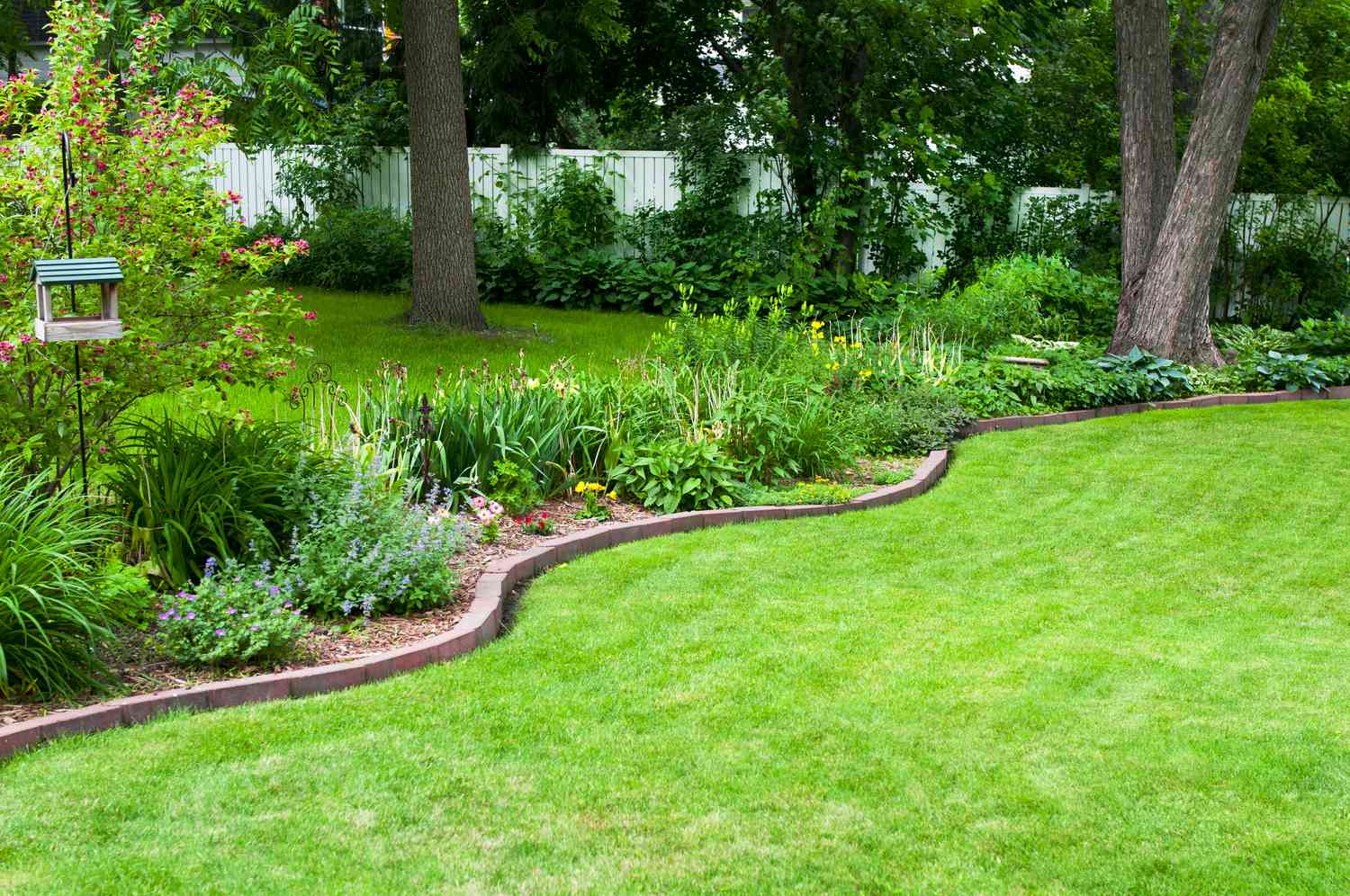
Many homeowners wonder if garden edging is really necessary. The answer depends on the goals of the project. Edging helps structure the space and serves several purposes. It keeps mulch and decorative stones inside flower beds, prevents the lawn from spreading onto pathways and planting areas, creates clear lines, and visually highlights the design of the yard. In addition, it protects plants from accidental damage during maintenance or when a vehicle passes nearby. Even if you prefer natural and free-growing gardens, a small garden edging helps maintain order and makes upkeep easier, especially in larger yards.
A Budget Option: Trimming the Edge with a Shovel
The simplest way to mark the boundary between the lawn and the flower bed is to carefully trim the edge with a shovel. This method works well for small gardens or temporary yard arrangements. The line looks tidy, and the cost is minimal. However, this is a temporary solution because over time the soil will erode and the grass will grow into the border. The line will need regular upkeep. If you enjoy working in the garden and can dedicate time to maintenance, this method can be suitable. If your priority is low maintenance, it is better to consider more durable materials.
Natural Materials: Stone, Slate, and Pebbles
Natural materials are one of the most popular choices for long-lasting edging. Stone, slate, or river pebbles are not only resistant to moisture and mechanical damage but also look attractive, creating smooth transitions between the lawn and flower beds. Stone edging is ideal for areas with heavy use such as along driveways. Even if a car accidentally drives onto the edge, the structure remains intact. One key recommendation from our specialists is to prepare a solid base to ensure that the stones or pebbles do not shift over time. In Ecolandscape Studio projects we often combine different types of stones to give the edging an artistic character and to emphasize the style of the entire yard.
Metal Garden Edging
In modern yard landscaping, metal edging is considered one of the most practical solutions. It allows for straight lines and smooth curves, which is especially important for geometrically designed areas. The most common materials are low-carbon steel and corten steel. Corten develops a protective patina over time and is highly resistant to external conditions. Low-carbon steel is more affordable and, if installed properly, can last for decades. At Ecolandscape Studio we select the height and thickness of metal edging based on soil type, load, and yard style. Typically we use steel around 100 millimeters high and 5 millimeters thick with stakes placed at regular intervals. This ensures durability and a neat appearance for many years.
Martin Palma, founder and CEO of Ecolandscape Studio, often notes that properly installed metal edging helps clients maintain clean lines without constant adjustments and reduces the amount of regular maintenance. In his experience, investing in high-quality edging pays off with time and convenience, keeping the yard well-groomed even with heavy use.
Stone Walls or Low Borders for Large Scale Landscaping
If you are planning a large landscaping project, consider a stone wall or a low border. This option is long-lasting, highlights the architectural character of the garden, and is especially effective in areas with changes in elevation. The key factor is a solid foundation. Stones should be placed on concrete or compacted gravel to prevent shifting over time. The dry-stone effect is visual while structurally the border remains stable.
How to Choose the Right Option
When selecting garden edging, consider the overall style of the landscape design, project budget, soil characteristics, and the willingness to maintain it regularly. The edging should harmoniously fit into the composition, complement paths, house facades, lighting, and plantings. Cutting corners on this element can sometimes lead to additional costs later, so it is better to choose a reliable option from the start.
Garden edging is not just a decorative detail. It helps structure the space, maintain tidiness, and makes yard care easier. If you want your yard to look professional, reduce maintenance effort, and highlight the beauty of your landscaping, well-thought-out edging is a key element of yard improvement. In the Ecolandscape Studio blog we share practical advice and experience from real projects so that every homeowner can create a garden that delights not only in the first season but for many years. Thoughtful garden edging is a simple solution that immediately improves the appearance of your yard and enhances the value of the overall landscape design.