At the Ecolandscape Studio blog we share practical advice for homeowners and landscape design enthusiasts. In conditions of limited resources and dry climates, saving water becomes not just a necessity but an essential part of smart yard improvement. A water-efficient approach allows you to create lush and vibrant gardens while reducing costs and caring for the environment.
Martin Palma, founder and CEO of Ecolandscape Studio, notes that designing a garden that combines beauty with water conservation was a personal revelation for him. He realized that sustainable landscape design can be harmonious, functional, and aesthetically appealing all at the same time.
Site Analysis and Plant Selection
Before planning plantings it is important to carefully study the characteristics of your site. Identify sunny and shaded areas, evaluate drainage and soil composition. Analyzing nutrient levels and pH allows you to add organic fertilizers such as compost or humus. These measures improve fertility and help the soil retain moisture, reducing the need for frequent watering.
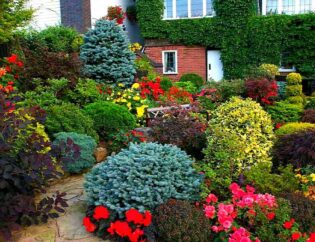
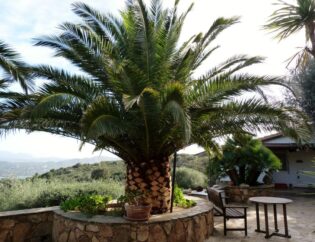
For creating gardens that use minimal water it is essential to select native and drought-tolerant plants that are adapted to the regional climate. Grouping plants according to their water requirements optimizes irrigation, and combining species from regions with similar climates such as California, Spain, Italy, France, and Australia adds decorative diversity and drought resilience. Research shows that choosing drought-tolerant plants correctly can reduce water use by up to fifty percent without compromising aesthetics.
Martin Palma emphasizes that even small improvements in soil structure and thoughtful plant selection can significantly reduce water consumption and make yard maintenance more sustainable.
Efficient Watering and Mulching
Proper watering is key to a healthy garden and water conservation. Infrequent but deep watering stimulates the development of a strong root system, making plants more resistant to drought. Watering is recommended early in the morning or in the evening when evaporation is minimal. Modern systems such as drip irrigation deliver water directly to plant roots and reduce water loss.
Mulching increases the efficiency of watering and protects the soil from drying out. Organic mulch from bark, wood chips, or compost creates a protective layer, suppresses weed growth, and gradually improves soil structure. For decorative effect and additional water savings, gravel or river pebbles can be used to create neat zones around plants. Proper mulching can reduce water use by twenty to thirty percent while simultaneously enhancing the visual appeal of the yard and the health of plants.
Creative Water-Saving Solutions
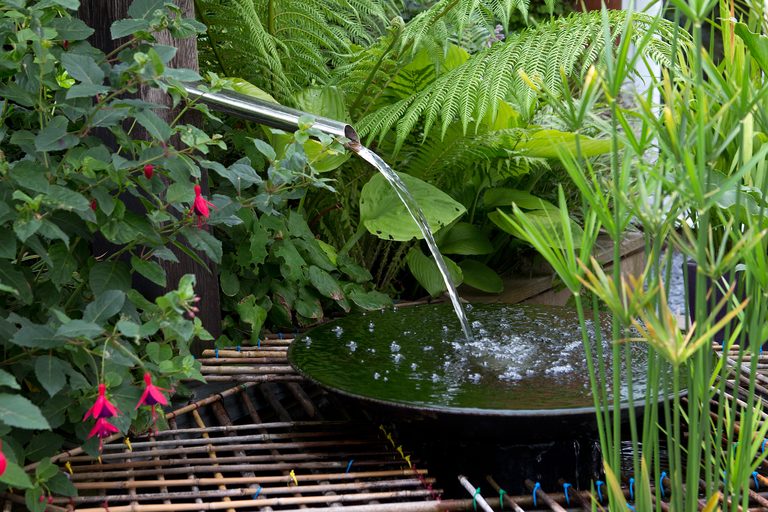
Collecting rainwater and reusing gray water opens new opportunities for conserving resources in yard design and landscaping. Rain barrels, mini ponds, decorative streams, and bird baths serve not only as decorative elements but also help sustain the garden’s ecosystem. Water features attract pollinating insects and create a lively environment, increasing the natural resilience of the site.
Martin Palma points out that every water feature can become a small ecosystem, supporting life in the garden while saving water. This approach allows ecological solutions to be integrated into yard improvement, creating a harmonious and functional garden.
Creating a water-efficient garden is based on three principles: careful site analysis and plant selection, efficient watering with mulching, and the implementation of creative water solutions. This approach allows you to design well-maintained, aesthetically pleasing, and environmentally friendly gardens, reduce water costs, and support ecosystem health.
At Ecolandscape Studio we believe that water-saving landscape design is the future of yard improvement and garden design. Beauty, functionality, and ecological sustainability can go hand in hand, making every garden unique and harmonious while taking care of the planet.