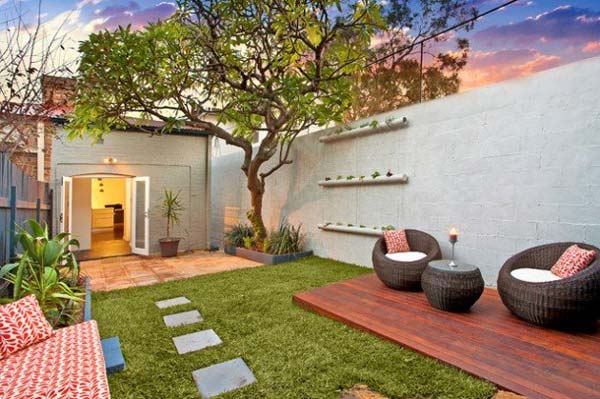
Every garden can become a favorite place for relaxation and inspiration. At Ecolandscape Studio, we often share ideas and practical tips on how to plan a space that is beautiful, comfortable, and enjoyable every day. Proper landscape design affects how you use your yard, how easy it is to care for your plants, and how much pleasure you get from your garden.
The founder and CEO of Ecolandscape Studio, Martin Palma, says that the most common request from our clients is simple: to create a garden where they want to spend time. Understanding this desire is at the heart of all our garden improvement projects.
Why Thoughtful Space Matters
When we look at a plot of land, our task is not just to fill it with plants. We analyze how the space will be used, what zones need to be created, and how to make the garden work for you.
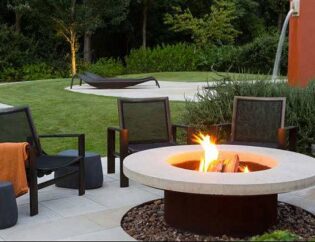
Many homes have plots that feel disjointed. The garden seems dull because there is no logic, no relaxation zones, or visual order. Good landscape design transforms such a plot into a well-thought-out space, where you can host family lunches, sunbathe, read a book, or simply enjoy the quiet.
Understanding your needs and goals is the first step toward a smart layout. If you haven’t decided how you will use the garden, start with simple questions: do you want a seating area with furniture, a barbecue spot, a playground, a vegetable garden, flower beds, or mixed structures? The answers will guide all further landscaping work.
Zoning and Functional Use
One of the key principles of quality landscape design is dividing the space into zones according to their functions.
It’s important to ensure smooth transitions between zones. Relaxation areas should be located where it’s convenient to spend time, without blocking views of the most beautiful parts of the garden. Pathways connect zones and help the garden feel cohesive.
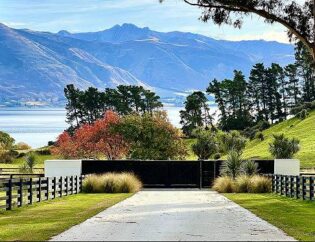
The material of the pathways — whether natural stone, gravel, or wooden decking — affects both the visual perception of the garden and how you use it. When choosing materials, we always consider the style of your home, the climate, and how often the areas will be used.
Landscape design experts note that a well-planned network of paths can even visually expand a space. This is an essential part of yard improvement that should not be overlooked.
Landscaping: Choosing the Right Plants
Landscaping is not just decoration for the sake of beauty. It is a thoughtful arrangement of plants to complement each other, emphasize the structure of the plot, and bring joy throughout the year.
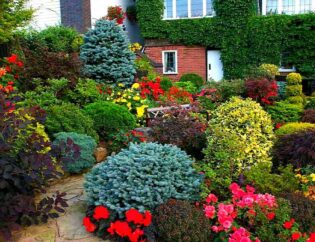
At Ecolandscape Studio, we love multi-layered plantings because they create depth and a lively rhythm. Tall trees form volume, shrubs at mid-level provide structure, and low plants or ground covers fill the space and create a sense of completeness.
When choosing plants, it’s important to consider sunlight and soil conditions on your plot. Some areas may be shaded, while others receive full sun all day. Selecting plants suitable for these conditions helps avoid growth problems, diseases, and extra maintenance. Combining evergreen plants with seasonal flowering species keeps your garden vibrant year-round, which is crucial for quality landscape design.
Visual Techniques in Garden Design
Visual elements play a huge role in how a space is perceived.
One technique we often use is working with backgrounds. Dark fences and elements make plants stand out, and smooth texture transitions make the garden visually interesting.
Another artistic element is lighting. Soft lighting along pathways, near plantings, or in relaxation areas in the evening turns the garden into a cozy space where you want to spend more time. This lighting is not only beautiful but also makes evening strolls safer.
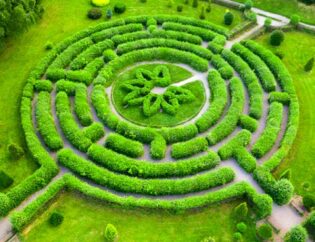
We also pay attention to lines and shapes. Circular flower beds create a more free-flowing feeling, while straight lines and geometric shapes emphasize structure and order. Understanding visual balance helps make the garden harmonious and comfortable.
Practical Care Tips
Even the most beautiful garden will lose its appeal if it’s difficult to maintain. We recommend mulching to retain moisture and suppress weeds. This reduces the need for frequent watering and keeps the soil healthy and more resistant to erosion.
For plots with many plants, an automated irrigation system can be very helpful. Properly set up drip irrigation saves labor and ensures plants receive water even during hot days.
Another tip from our designers: place low-maintenance plants in hard-to-reach areas so they look beautiful without constant attention. This is especially relevant for large plots with multiple zones and plantings. This approach makes garden care easier and everyday life in your yard more enjoyable.
Planning a garden is not just about placing plants and pathways. It’s a strategy that starts with understanding how you want to use the space. Good landscape design combines beauty, convenience, and individuality.
Plan zones according to their function, choose plants that suit your light and soil conditions, and use visual techniques to make the garden harmonious. Remember, ease of maintenance is just as important as aesthetics.
As Martin Palma notes, a garden reflects your attitude toward life and nature. Our goal is to help you create a space where you want to live, relax, enjoy, and share beauty with your loved ones.