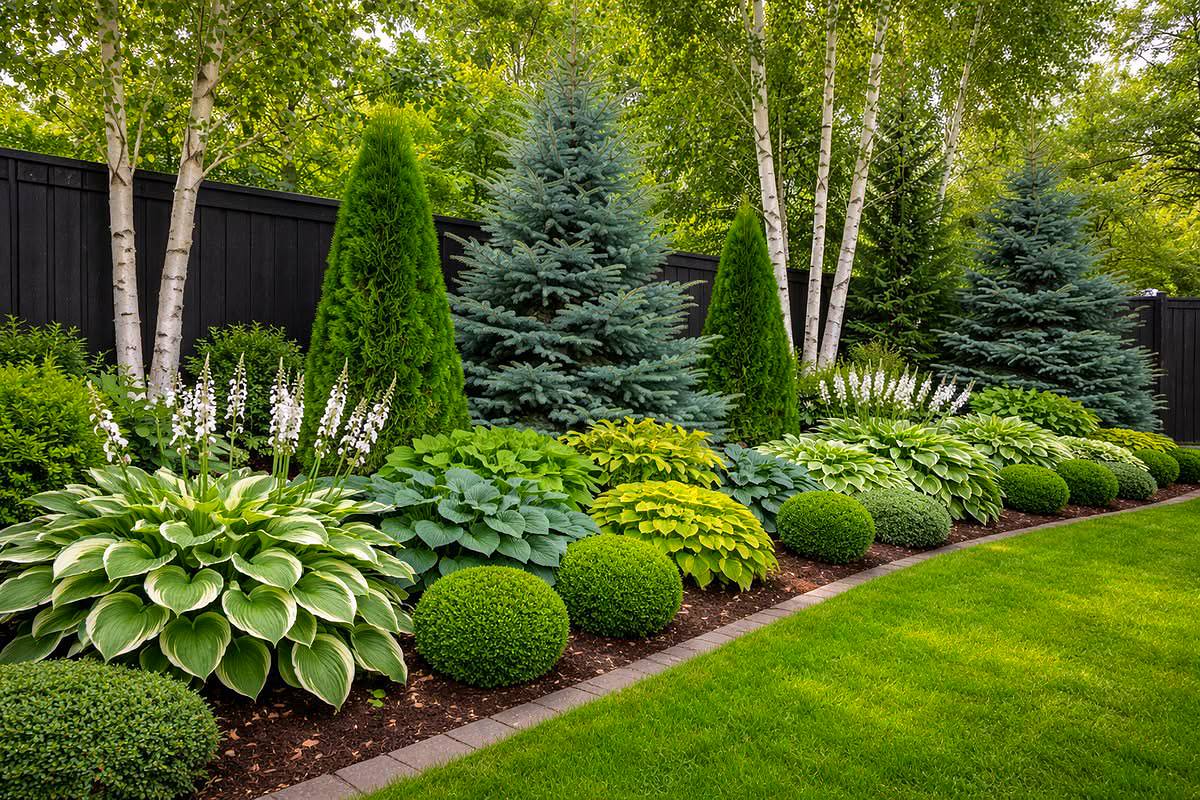
Modern cities are becoming denser, faster, and increasingly overloaded with visual stimulation. High-rise development, traffic flows, commercial facades, noise, light pollution, and constant movement create an environment where people rarely have the opportunity to truly slow down. Against this backdrop, development projects that offer not just square meters, but a sense of internal pause, are perceived as significantly more valuable. Martin Palma, founder and CEO of Ecolandscape Studio, analyzes this shift as an important sign of a mature market – buyers are increasingly choosing not only a real estate asset, but also the quality of daily recovery that begins in the external environment.
A green pause is far more than simply adding trees, lawns, or decorative planting. It is a deliberately designed environmental condition where people can step out of the urban rhythm, reduce internal tension, and experience temporary separation from surrounding density. Such a territory does not compete with the city in speed or visual intensity – instead, it creates the opposite experience through silence, softness, shade, natural textures, and a feeling of protected space. Specialists at Ecolandscape Studio analyze user behavior and note that zones designed for slowing down often become the most emotionally valuable elements of residential, hospitality, and mixed-use projects.
The greatest strength of a green pause lies in contrast. The denser the surrounding development, the higher the value of a space that gives people a sense of air, openness, and time. Even a compact courtyard, terrace, passage garden, or semi-enclosed outdoor zone can completely transform the perception of a project when it functions as a place of recovery rather than formal landscaping. At Ecolandscape Studio, we analyze urban density as a context in which landscape becomes not decoration, but a tool for psychological balance. When a territory allows people to slow down, the property begins to feel more thoughtful, premium, and human-centered.
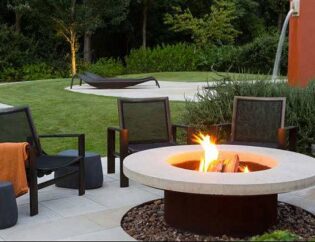
Equally important are occupancy scenarios. A space for slowing down never happens by accident – it requires precise work with circulation routes, scale, planting, shade, acoustics, and visual enclosure. People need to intuitively understand where they can stop, where they can step away from movement, where they can talk, read a message, drink coffee, or simply do nothing for a few minutes. Without these micro-scenarios, even expensive landscaping remains transit-oriented. Specialists at Ecolandscape Studio note that a high-quality external environment should design not only movement, but also the right to pause.
A green pause also strengthens emotional attachment to a property. People remember not only facades, layouts, or materials, but the emotional states that a place creates. If a territory helps someone recover after a long day, escape visual overload, or reconnect with nature, it becomes part of a personal ritual. At Ecolandscape Studio, we believe modern landscaping should create more than a beautiful image – it should provide a daily recovery experience, a repeatable interaction that makes a project meaningful in the user’s everyday life.
From a commercial perspective, spaces designed for slowing down become a powerful competitive advantage. They increase perceived property value, strengthen resident loyalty, make hospitality projects more memorable, and help mixed-use developments generate longer dwell time. We see the green pause as one of the emerging tools of modern development, where value is created through a space’s ability to reduce urban pressure and provide people with a rare resource – the ability to stop. These are the projects that win not only through aesthetics, but through quality of life that cannot be replaced by standard infrastructure.