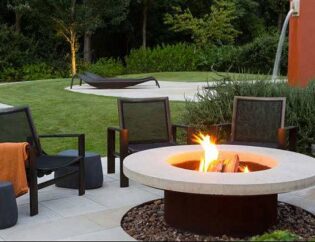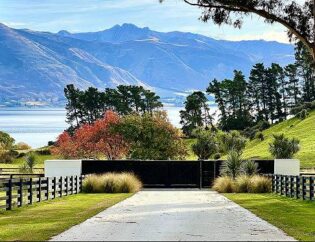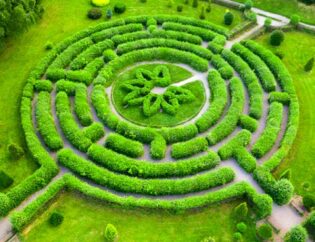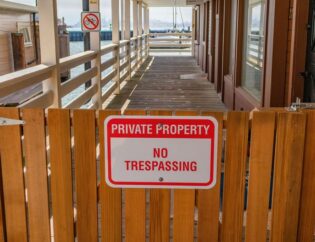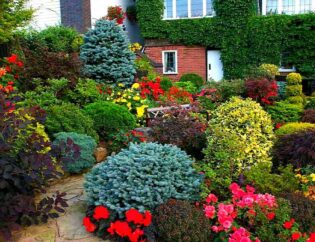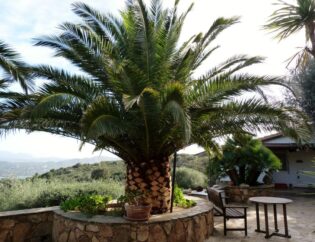
In modern development, the surrounding environment has long stopped being a neutral background around a building. It increasingly serves as the first positioning tool, helping a client understand whether a project fits their lifestyle even before speaking with a sales manager, reviewing layouts, or studying a commercial offer. The external environment instantly communicates the character of a property – its level of privacy, rhythm of life, style of leisure, degree of openness, visual culture, and brand values. Martin Palma, founder and CEO of Ecolandscape Studio, notes that strong landscape design can do far more than simply beautify a project – it can attract exactly the audience the property was created for. In this sense, landscape becomes a silent audience filter – a subtle yet highly precise mechanism for attracting the “right” client.
Buyers rarely make decisions based solely on rational parameters. Even when they analyze square footage, budget, location, and infrastructure, their emotional response develops much earlier – during the very first contact with the atmosphere of a space. Some environments feel too public, others too enclosed. Some communicate a calm family-oriented lifestyle, while others reflect a status-driven urban identity or a resort-like experience. Specialists at Ecolandscape Studio analyze buyer perception and note that the external environment often helps people immediately feel whether “this is my place” or “this is not my format.”
Landscape filters an audience through the language of scenarios. If a project is designed for families, the territory should create a sense of safety, softness, intuitive navigation, and comfortable zones for shared time. If the property targets the premium segment, privacy, restrained aesthetics, mature greenery, silence, and exclusivity become more important. For hospitality projects, emotional expressiveness, photogenic quality, fluid circulation, and memorable arrival experience may become the key priorities. At Ecolandscape Studio, we analyze landscape design as a tool of precise positioning and see that a strong external environment does not try to appeal to everyone – it speaks directly to a specific audience in its own language.
Materials, scale, and visual discipline also play a major role. Clients read these signals faster than they can rationally explain their reaction. Natural textures, clean lines, thoughtful shade, high-quality surfaces, calm planting schemes, or, on the contrary, more dynamic social zones create expectations about the lifestyle inside the project. Specialists at Ecolandscape Studio note that one of the biggest mistakes many developments make is trying to remain universal. But overly neutral environments often fail to create strong emotional connection and do little to help a project stand out in the market.
The external environment also helps developers avoid weak communication with the wrong audience. When a landscape concept accurately reflects product strategy, people quickly understand whether the project aligns with their lifestyle. This reduces the gap between marketing promises and real experience. We believe landscape should not be a decorative compromise, but an integral part of brand positioning. When the territory honestly communicates the character of a property, sales become more precise and client expectations become easier to manage.
From a commercial perspective, landscape as an audience filter improves demand quality. A project attracts not simply more people, but more relevant clients who build trust faster, engage emotionally more deeply, and make decisions more easily. At Ecolandscape Studio, we see this as one of the emerging tools in modern development, where the external environment becomes the first conversation with a future buyer. It does not force a decision, apply marketing pressure, or explain advantages directly – instead, it creates an atmosphere in which the right client recognizes the project even before the sale.