When a large institutional facility replaces its traditional lawn with drought tolerant landscaping and saves millions of gallons of water in the process, it sends a clear message to every homeowner, property manager, and landscape designer paying attention. That is exactly what happened at a Utah correctional facility, where a major water-wise landscaping project delivered results that go well beyond the property fence line.
The project replaced large sections of conventional turf with xeriscape garden design, native plant selections, and low water ground covers. The outcome was a dramatic reduction in water consumption, measured in the millions of gallons saved annually. For a state like Utah, where water scarcity is a persistent challenge and drought conditions are a regular part of life, this kind of landscape transformation is not a novelty. It is a practical necessity.
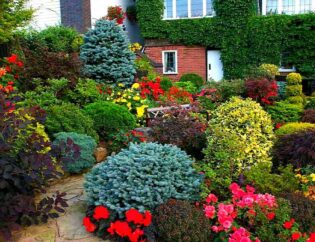
Water-wise landscaping, sometimes called xeriscape garden design or drought tolerant garden design, is a method of planning and planting outdoor spaces so they require significantly less irrigation than a conventional lawn. It does not mean replacing everything with gravel and cacti. A well-designed water-wise yard can be lush, layered, and visually rich while using a fraction of the water a traditional grass lawn demands.
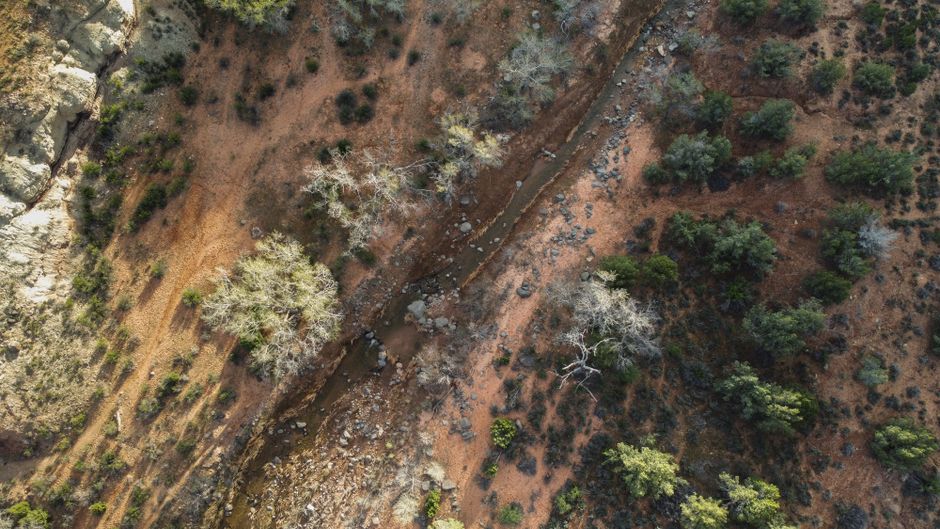
The core elements typically include native plant garden design, which relies on species already adapted to the local climate and soil. These plants have developed natural resilience to dry conditions, which means they establish more easily, need less supplemental watering, and require far less ongoing maintenance. Paired with smart soil preparation, efficient drip irrigation, and thoughtful planting design, the results can be striking both in appearance and in resource savings.
Lawn alternatives play a central role in these projects. Ground covers, ornamental grasses, decomposed granite, and mulched planting beds can replace turf in areas where grass serves no real functional purpose. This shift is one of the most impactful changes a homeowner can make in residential landscape design, both for water savings and for reducing the time and cost of yard maintenance.
Martin Palma, founder and CEO of Ecolandscape Studio, has worked on water-wise projects across different property types and consistently finds that homeowners underestimate how much water their lawn actually consumes. In his experience, once clients see the numbers and compare them to what a native plant garden or xeriscape design would require, the conversation shifts quickly from hesitation to genuine enthusiasm for making the change.
The Utah prison project is a useful reference point because it demonstrates what is possible at scale. But the same principles apply directly to backyard landscaping ideas and front yard landscaping ideas for private homes. The scale is smaller, but the logic is identical.
If you are thinking about updating your yard landscaping design with water efficiency in mind, a few practical directions are worth considering. Start by identifying which areas of your property actually need turf and which areas are simply covered in grass out of habit. Slopes, narrow strips along driveways, and decorative front yard sections are often prime candidates for conversion to drought tolerant planting or low maintenance garden design.
Rain garden design is another option that fits naturally into water-wise landscaping plans. A rain garden captures runoff from roofs and paved surfaces, allowing it to soak slowly into the ground rather than running off into storm drains. This approach works particularly well in residential settings where impervious surfaces like driveways and patios create significant runoff during storms.
Landscape lighting ideas and garden edging ideas may seem like smaller details, but they contribute to the overall function and appearance of a water-wise yard. Clean edging between planting beds and pathways reduces maintenance and keeps mulch in place, which helps retain soil moisture. Thoughtful lighting extends the usability of outdoor living space design into the evening without adding to water or maintenance demands.
Privacy landscaping using native shrubs and drought tolerant trees is another practical layer that homeowners often overlook. Instead of installing fencing or planting thirsty hedges, selecting regionally appropriate species creates natural screening that supports pollinators, requires minimal irrigation, and adds genuine character to the property.
The broader takeaway from the Utah project is that water-wise landscaping is not a compromise. It is a smarter approach to outdoor space that reduces costs, lowers maintenance demands, and creates landscapes that are genuinely suited to the climate they exist in. For homeowners in dry or drought-prone regions, the shift toward native plant garden design, xeriscape principles, and low maintenance garden solutions is one of the most practical investments a property can make. The savings in water, time, and ongoing upkeep tend to speak for themselves once the landscape is established and performing as designed.