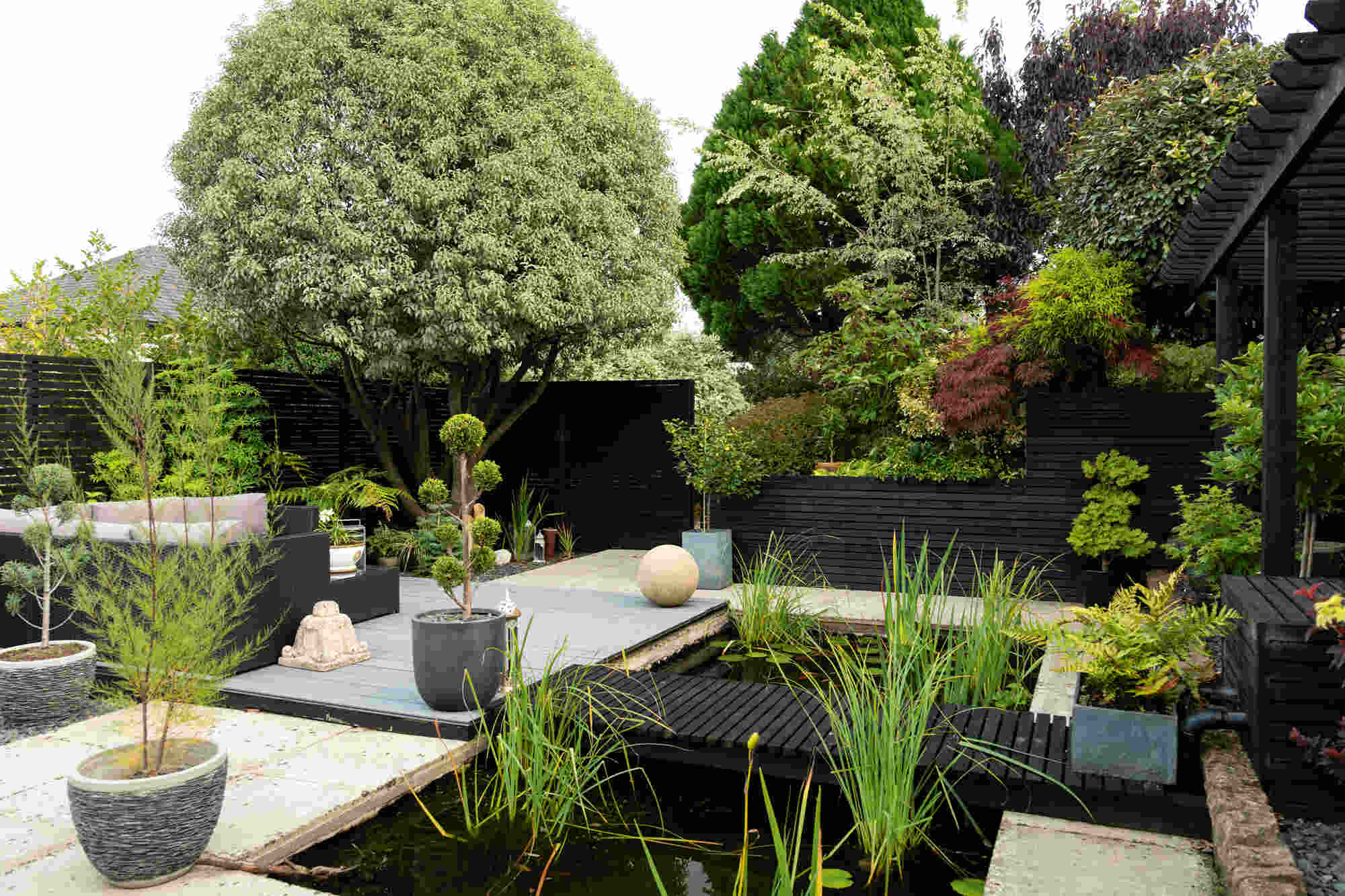
At Ecolandscape Studio, we often say that a modern landscape is not just about beauty, but also about a deep connection between humans and nature. Today, we want to introduce the concept of interactive ecology and show how your garden can become a truly living system, where every step and movement of a person affects the surrounding environment.
Modern cities increasingly distance us from nature. The noise of the streets, concrete buildings, constant rush, and digital clutter create a sense of disconnection from the living world. Interactive gardens serve as a bridge between humans and the ecosystem, turning a simple walk into a unique experience of interacting with plants, water, light, and sound. At Ecolandscape Studio, we believe that this approach to landscaping represents a new philosophy for urban spaces.
What Is an Interactive Garden?
An interactive garden is a space where a person becomes an active participant in the ecosystem. Imagine a “path of transformation,” where walking along it literally brings the garden to life. Light paths illuminate underfoot, water flows through miniature channels, and hydroponic installations stimulate plant growth. Every visitor experiences that their actions directly influence the living system, and the garden changes in response to human presence.
The founder and CEO of Ecolandscape Studio, Martin Palma, often notes that his personal discovery was realizing how powerful the emotional impact on a person can be when they feel part of an ecosystem. “We noticed that even small interactions walking along a sensory path or touching a plant awaken a sense of responsibility and care for nature,” shares Martin Palma.
Technologies of Interactive Ecology
Modern technologies make such gardens possible. Sensor paths detect pressure and movement, activating irrigation, lighting, or sound effects. Hydroponics and aquaponics allow plants to grow without soil, using nutrient solutions, while irrigation systems adjust according to visitor activity.
Interactive lighting creates the impression that the garden “breathes” with the visitor, and soundscapes turn each step into a melody mimicking birdsong, flowing water, or rustling leaves. Some projects use infrared sensors or artificial intelligence elements, allowing the garden to adapt to the individual behavior of each visitor.
Ecolandscape Studio advises that when planning an interactive garden, it is important to thoughtfully design zones of sensory interaction so they harmoniously integrate with natural elements. For example, sensor paths can be combined with decorative water cascades or light accents on plants enhancing the sense of presence and making the garden feel truly alive.
Benefits of Interactive Gardens
Interactive ecology provides more than just aesthetic pleasure. Such gardens have educational value: visitors can see in practice how an ecosystem responds to light, water, and human movement. This is especially important for children and teenagers, who can explore nature through play and interaction.
Walking through an interactive garden also reduces stress and stimulates creativity. People feel a sense of control and involvement in the ecosystem, fostering a sense of responsibility for the environment. Moreover, modern technologies help conserve resources: automated irrigation and lighting management reduce water and electricity consumption, making the garden environmentally sustainable.
Ecolandscape Studio recommends combining interactive elements with plants suited to your local climate for maximum effect. This ensures the garden develops naturally, and its response to human interaction remains lively and harmonious.
Examples of Interactive Projects
Around the world, interactive gardens are already becoming part of urban life. In Japan and Singapore, glowing pathways are created where human movement animates light and water. In Europe, musical gardens are emerging, where visitors’ footsteps generate sound compositions mimicking the sound of rain or birdsong. In the United States, urban farms with hydroponics allow city residents to directly influence plant growth through mobile apps.
At Ecolandscape Studio, we draw inspiration from such projects and often incorporate their elements into our design solutions. We believe interactive elements should organically blend into the landscape and enhance natural perception, rather than distract from it.
The Future of Interactive Ecology
Interactive gardens have immense potential for integration into urban environments, educational institutions, parks, and building rooftops. They create living islands of nature in concrete surroundings, where every visitor feels part of the ecosystem.
According to Martin Palma, the future of interactive ecology lies in combining technology with natural processes. “We see how interactive gardens are shaping a new generation of city dwellers who understand that caring for nature is not an abstraction, but a daily action,” he says.
Interactive ecology in landscape design is not just a trend. It is a new approach to urban and private spaces that allows people to see, feel, and influence the life of an ecosystem. At Ecolandscape Studio, we recommend using interactive elements as tools for education, inspiration, and spatial harmony, so that every step in the garden becomes a conscious interaction with nature.