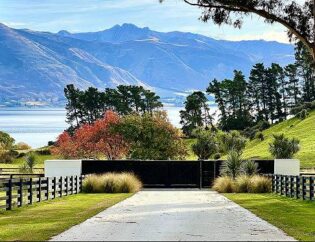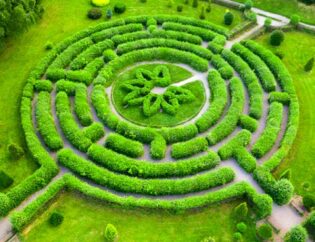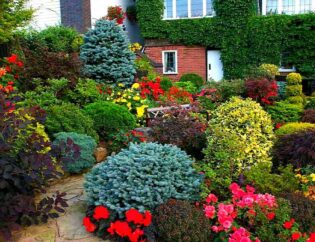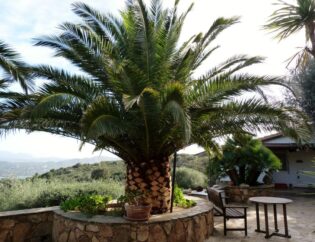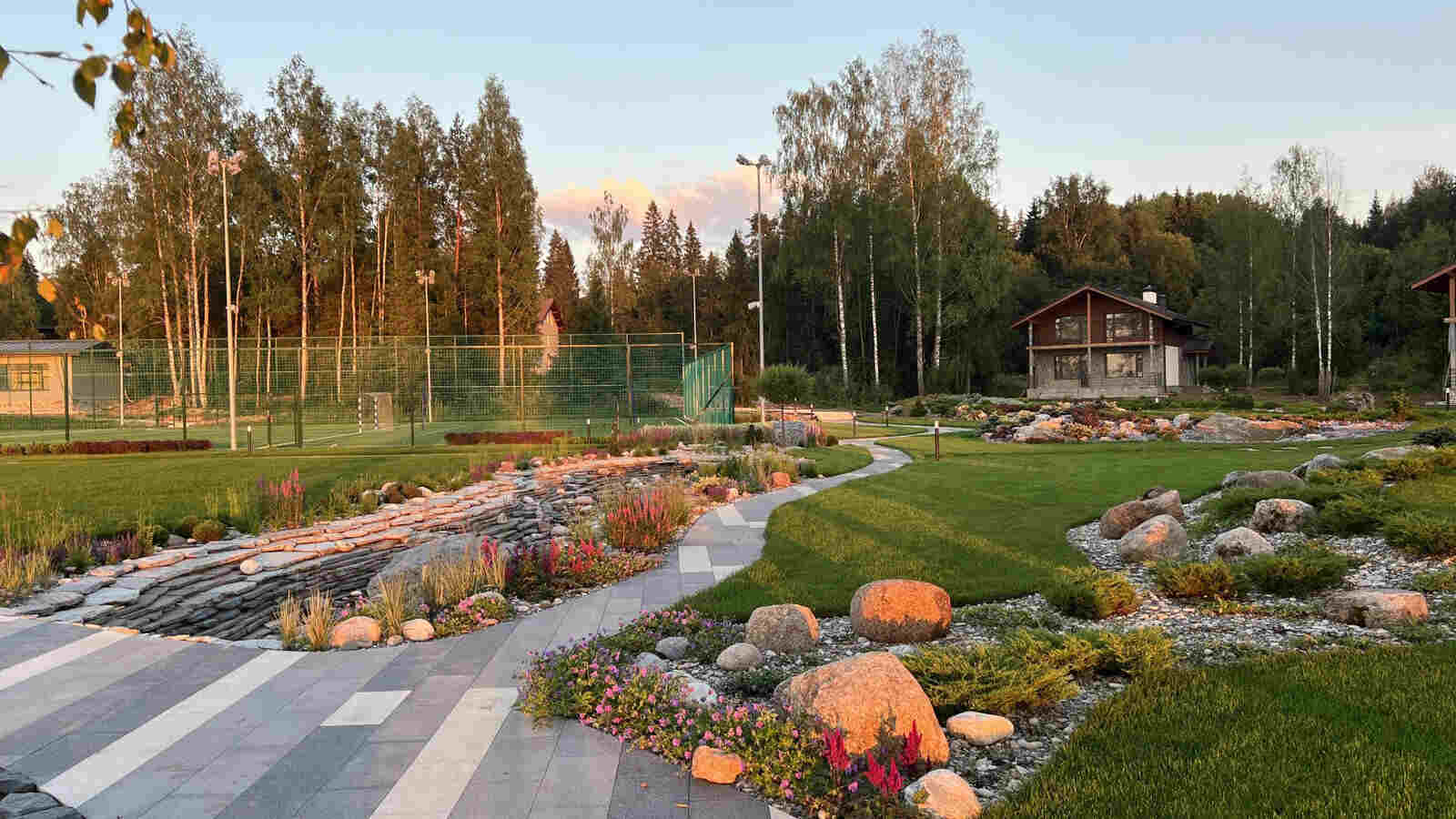
In the Ecolandscape Studio, we have repeatedly emphasized that a garden is not just a collection of plants and decorative elements. It is a living environment capable of telling its own stories, evoking emotions, and creating a unique, unforgettable experience. The “garden of metaphors and stories” approach suggests that every element of the landscape carries meaning: paths, water features, stones, and plants become characters, while various zones and compositions form a narrative, much like the pages of a carefully crafted book.
Philosophy and Psychology of the Garden
Symbolic gardens can be found in many cultures. In Japanese tradition, for example, a rock garden (karesansui) is designed as a meditative space, where stones and sand convey inner experiences and philosophical ideas. Chinese gardens were created as microcosms of nature, where mountains, water, and plants symbolized the harmony between humans and the universe. In European culture, English landscape gardens used winding paths, water features, and sculptures to tell a story, evoke emotions, and stimulate the imagination. At Ecolandscape Studio, we draw inspiration from these traditions, adapting them to modern, eco-friendly landscape design, where both aesthetics and functionality are essential.
From a psychological perspective, research shows that walks in a garden reduce stress, improve focus, and enhance emotional well-being. In particular, a garden with metaphorical elements amplifies this effect: when a person “reads” the space, noticing the symbolism of plants, water, or stones, imagination and emotional perception are activated. This makes the garden not only visually appealing but also a deeply personal space.
How Plants and Forms Tell a Story
For us at Ecolandscape Studio, plants are not merely decorative elements they are active participants in storytelling. Tall trees with sprawling canopies can symbolize wisdom, support, and strength; solitary shrubs may represent moments of inner struggle or loneliness; and flowering plants and grasses create an atmosphere of joy, harmony, and vitality. The lines of paths, curves of water features, and groupings of shrubs and flower beds all create visual metaphors that help visitors “read” the garden.
We actively use contrasting elements: combining soft shapes with geometric lines, bright colors with neutral tones, tall trees with low shrubs. This creates a multilayered visual language and ensures the garden remains engaging throughout the year.
Water and Stones as Carriers of Meaning
Water in a metaphorical garden is not only an aesthetic element but also a symbol of life energy, movement, and time. A calm pond with a mirrored surface creates a space for reflection, while a winding stream or waterfall adds dynamism and emotional contrast. We often use spiral-shaped ponds to emphasize the cyclical nature of life, and streams meandering between stones symbolize the path through challenges.
Stones carry special symbolism in the garden. Large boulders can represent obstacles, difficulties, and challenges, while decorative stones highlight key moments in the narrative or serve as compositional accents. Architectural elements bridges, arches, gazebos become the “chapters” of the story, providing spaces for pause, reflection, and emotional engagement.
Light, Shadow, and Seasonal Changes
We always consider how light and shadow affect the perception of the garden. Morning sunlight evokes a sense of hope and new beginnings; daylight highlights plant textures, while evening shadows create intimacy and depth. Seasons add new layers to the story: in spring, the garden awakens; in summer, it is filled with energy and beauty; in autumn, its maturity is revealed; and winter brings quiet and preparation for new life cycles.
Martin Palma, founder and CEO of Ecolandscape Studio, notes: “Creating a garden of metaphors is not just about arranging plants beautifully. The main goal is to provide space for the visitor’s personal experience. Everyone will see something different in the garden their own stories and emotions. This is what makes a garden alive and the design true art.” His words reflect the studio’s philosophy: we create not just a landscape, but a space that grows, evolves, and responds to the visitor.
Practical Recommendations for Creating a Garden of Metaphors
Creating a garden of metaphors is a complex process. At Ecolandscape Studio, we always recommend considering the following principles: plan the composition and path lines to form a visual and emotional rhythm; choose plants with varying heights, colors, and blooming times to keep the garden interesting year-round; use stones, water, and natural materials as carriers of symbolism; and account for light, shadow, and seasonal changes to create a dynamic space.
It is important to remember that a garden of metaphors and stories is not just a collection of elements. It is a space for reflection, inspiration, and personal discovery. Every corner, stone, or shrub can become part of your story, evoke emotions, and create a unique experience.
At Ecolandscape Studio, we are convinced that landscape design is an art, and a garden of metaphors and stories is its highest expression. If you want your garden to become a living book, full of meaning and beauty, our recommendations, experience, and expert approach will help bring this vision to life.