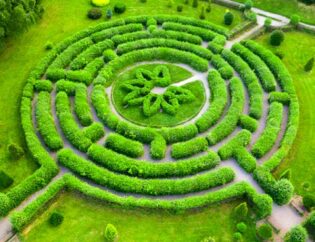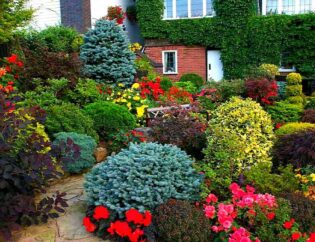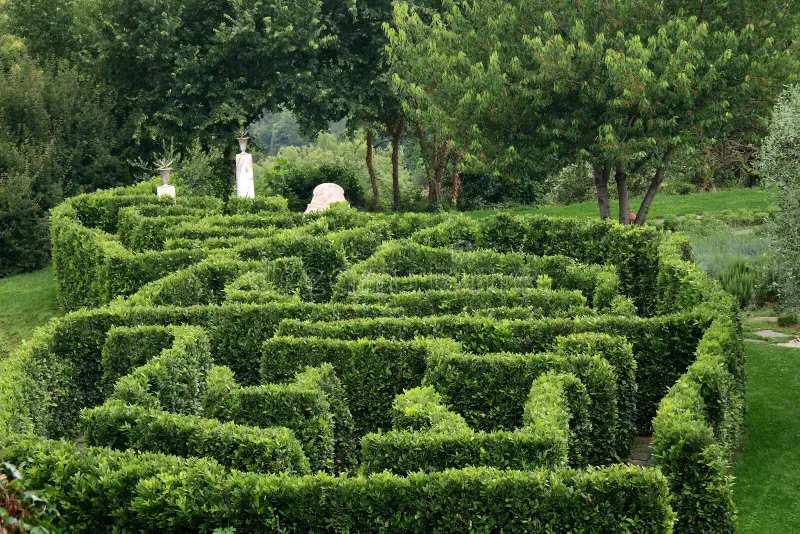
A labyrinth garden is not just a landscaping element, but a true cosmos full of mysteries, twists, and surprises. Inspired by ancient traditions and immortalized in the cultures of various nations, such a garden becomes not only a decorative feature but also a unique way to interact with space. At Ecolandscape Studio, we believe that a labyrinth garden is not just a place for walking, but a space for reflection, meditation, and, of course, enjoying the playful side of nature.
Principles of Creating a Labyrinth Garden
A labyrinth garden can vary greatly — from simple hedges to complex structures with living walls and intricate paths. The key element that unites such spaces is creating a sense of mystery that needs to be solved, where you move through it and discover new corners of the garden. At Ecolandscape Studio, we emphasize that it is important not only to create the labyrinth structure but also to make it organic and integrated into the overall landscape.
To achieve this, natural materials such as living hedges, trees, and shrubs should be used. These not only act as the «walls» of the labyrinth but also add texture and dynamic life to the garden. Proper lighting and pathways, which lead to unexpected discoveries, are also important.
Elements for Creating the Labyrinth
- Living Hedges
Living hedges are commonly used to create a labyrinth by planting plants at a relatively dense distance from one another. These hedges can be made from coniferous plants, such as thuja and pyracantha, or deciduous plants like hawthorn or hydrangea. At Ecolandscape Studio, we recommend choosing plants that are easy to trim and shape, ensuring the labyrinth maintains clear contours. - Secret Passages and Nooks
It’s important not only to create the walls of the labyrinth but also to include numerous small corners and passages that add mystery and intrigue. Hidden nooks may be concealed by tall grasses or dense foliage, creating areas of shade and rest. At Ecolandscape Studio, we recommend using lavender, artichokes, and decorative shrubs that are not only beautiful but also create a sense of seclusion. - Water Features and Decorative Elements
A labyrinth can be enhanced with small ponds, fountains, or water features. This will not only add aesthetic value but also make the space feel alive and vibrant. Stone paths, sculptures, or antique lanterns can create moments of surprise and further amplify the sense of mystery. At Ecolandscape Studio, we always recommend integrating water elements, as they help create an atmosphere of peace and seclusion.
Using Space in the Labyrinth Garden
The main principle of a labyrinth garden is playing with space. It should not only attract attention but also engage people in interactive exploration with the landscape. An important aspect is creating multi-layered experiences, where each corner and path offers something new. At Ecolandscape Studio, we believe that such a garden becomes not just a space for walking, but a place for contemplation, exploration, and even relaxation.
- Multi-Level and Vertical Elements
To create interest and dynamics, vertical elements such as garden arches, pergolas, or stone platforms can be used to create new levels of perception. This allows for viewing the garden from a different height, offering new impressions of the familiar landscape. - Spatial Transitions
To prevent the labyrinth from feeling monotonous and repetitive, it’s essential to create smooth transitions between different parts of the garden. This can be done with curved paths, sudden turns, or crossroads where one must choose a direction. At Ecolandscape Studio, we recommend making these transitions not too sharp, to maintain smoothness and harmony.
Caring for the Labyrinth Garden
Caring for a labyrinth garden requires attention, especially if it uses living hedges or plants with dense foliage. Regular pruning and maintaining plant neatness are essential to preserve the clear boundaries of the labyrinth. It’s also important to check the condition of the paths to ensure they retain their shape. At Ecolandscape Studio, we always advise performing regular checks for plant damage and maintaining the right level of moisture to support the health of the greenery.
A labyrinth garden is more than just a decorative element. It’s an opportunity to create an interactive space that invites you to play with nature. In such a garden, there is always something new to discover as you explore every corner and turn. At Ecolandscape Studio, we believe that a labyrinth garden is not just a maze of plants, but a philosophy where every path and every decision becomes part of your story with nature.
As Martin Palma, founder and CEO of Ecolandscape Studio, emphasizes: «A labyrinth garden is a space where nature becomes a game, and humans are participants in that game. It makes us think, explore, and enjoy every moment we spend in it.»