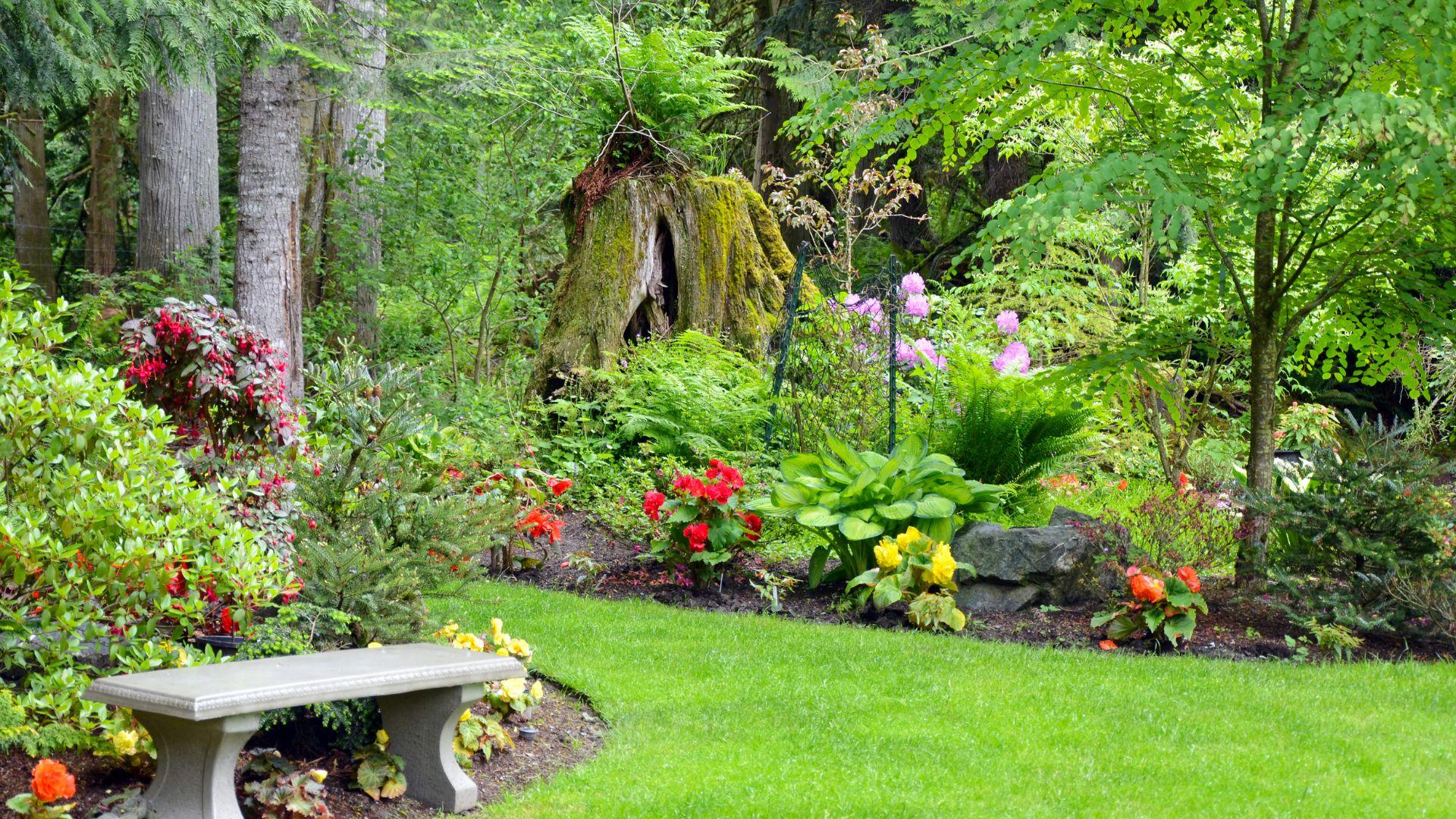
A garden microclimate refers to the unique climatic conditions of a specific area within your garden, influenced by factors such as sunlight, wind, humidity, and temperature. Understanding the microclimate in your garden allows you to make thoughtful decisions on how to plant and design the space to ensure comfort, growth, and the overall health of your plants.
At Ecolandscape Studio, we believe that creating the right microclimate is essential for a sustainable and thriving garden. As Martin Palma, founder and CEO, always emphasizes: «The design of a garden goes beyond just aesthetic appeal; it must enhance the natural environment, providing spaces that promote both plant growth and human well-being.»
Understanding the Garden Microclimate
A garden microclimate is shaped by numerous factors, including:
- Sun Exposure: Certain areas of your garden will receive more sunlight, creating warmer spots, while others may be shaded by trees or buildings, offering cooler conditions.
- Wind: Wind can affect the moisture levels of your garden and influence plant growth. Windbreaks or hedges can help protect sensitive plants from harsh conditions.
- Humidity: Humidity levels vary across your garden depending on surrounding trees, water features, and other plants.
- Temperature Fluctuations: Temperature can change significantly between different parts of your garden, and creating zones of warmth or coolness can enhance comfort and encourage diverse plant growth.
At Ecolandscape Studio, we view the concept of microclimates as an essential tool for shaping garden spaces that are comfortable and functional. By understanding these natural influences, we can create distinct garden zones, each with its specific needs and advantages.
Creating Zonal Changes in Your Garden
One of the best ways to harness the power of microclimates is to establish clear zones within your garden. This will allow you to make strategic decisions about plant placement and care. Here are some of the key steps:
Shaded areas in your garden can be both refreshing and functional. Using trees, shrubs, or fences to block the sun will help maintain cooler zones, perfect for plants that require less direct light. These areas are ideal for ferns, hostas, and other shade-loving plants.
As Martin Palma states: «Shading doesn’t only benefit the plants; it also creates spaces for people to enjoy coolness during the summer heat, offering refuge and calm.»
Sunny spots in your garden can be used to grow heat-loving plants, like lavender, roses, or certain vegetables. The sun’s warmth will provide an ideal environment for these species to thrive.
Creating these zones strategically allows you to grow a wider variety of plants, ensuring both aesthetic and functional purposes for each garden section.
Wind can be both a helpful and harmful factor in a garden’s microclimate. While wind can dry out soil and reduce humidity, it can also help with air circulation. By placing windbreaks, such as hedges or trellises, in the right locations, you can create sheltered zones that are less affected by harsh winds. This can also help prevent soil erosion.
At Ecolandscape Studio, we advocate for creating sheltered spaces using both natural elements and architectural features, such as trellises and pergolas, to provide areas of calm and comfort.
Water features, like ponds or fountains, add moisture to the air and can significantly increase the humidity in certain areas of the garden. These zones are perfect for plants that thrive in moist conditions, such as moss, ferns, and certain aquatic plants.
Incorporating water elements also adds a soothing aesthetic to the garden, creating a tranquil atmosphere. We believe that water elements, as part of the microclimate, enhance both the visual and functional aspects of the garden.
The Importance of Layered Microclimates
At Ecolandscape Studio, we always encourage layering when designing a garden. Creating a range of microclimates within the same space helps achieve a diverse and balanced ecosystem. By planting different species in varying conditions — like shady spots, sunny areas, and wind-sheltered zones — you can achieve a harmonious garden that is both visually rich and ecologically resilient.
Creating a garden microclimate requires careful consideration of the natural conditions of your space. At Ecolandscape Studio, we understand that zoning and microclimate management is crucial to a successful garden design. Whether you’re planning a relaxing outdoor area or looking to optimize plant growth, managing the environmental factors in your garden will make all the difference.
As Martin Palma notes: «A garden is not just a collection of plants; it’s a living, breathing space that needs the right conditions to flourish. When we create the perfect microclimate, we ensure that every plant, every zone, and every visitor experiences harmony and comfort.»
By paying attention to these small details and adjusting the microclimate for specific plants, you can craft a garden that isn’t just beautiful, but healthy and thriving all year round.