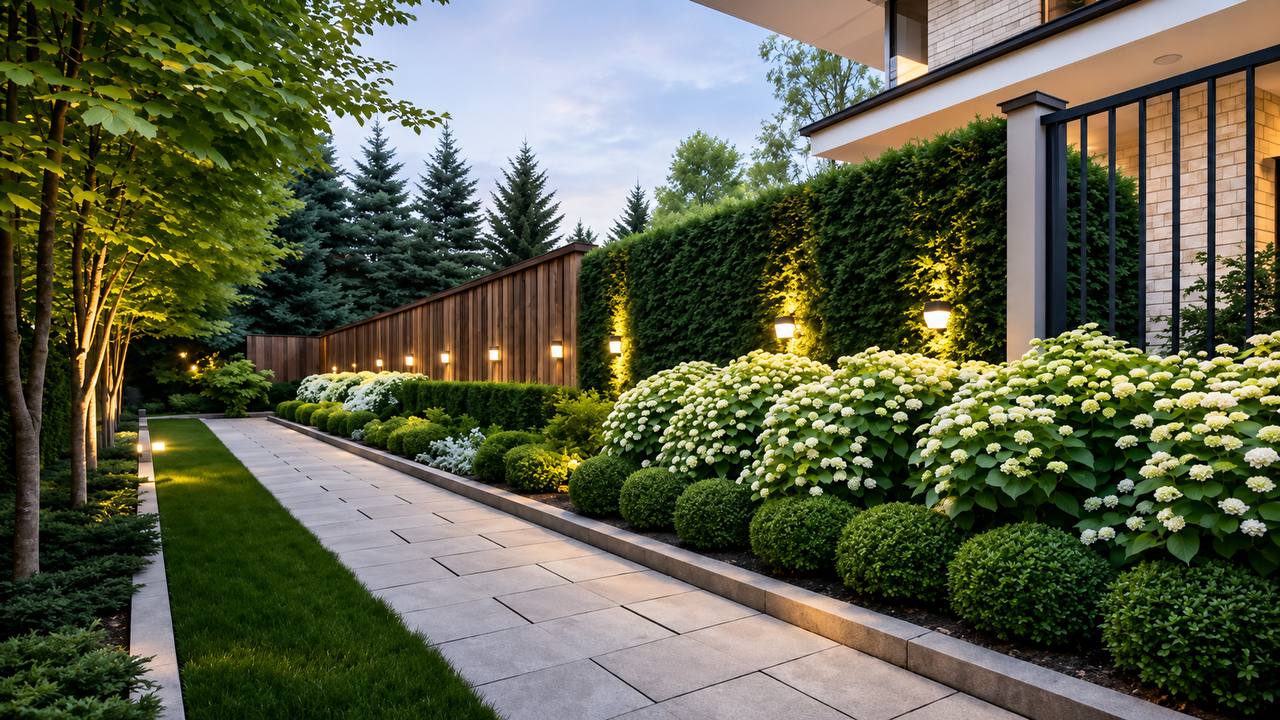
Modern landscape architecture is increasingly moving beyond questions of aesthetics, greenery, or functional zoning alone. More attention is now being given to how a space shapes human behavior over time – how fast people move through it, where they slow down, where they pause, and how long they want to stay. The speed of interaction with a space directly affects the emotional perception of a property and its market value. Martin Palma, founder and CEO of Ecolandscape Studio, believes that the tempo of space is becoming one of the most underestimated tools in contemporary design – strong environments do not simply look impressive, they actively control the rhythm of human experience. This is why landscape design today increasingly functions as a system for managing attention, movement, and the duration of human presence within a space.
Every environment has its own rhythm. Some spaces intuitively push people to move faster – to pass through quickly, minimize interaction, and avoid lingering. Others naturally encourage slowing down, observation, and deeper immersion in the surroundings. This effect is rarely perceived consciously, yet it strongly influences how people evaluate the quality of a place. Spaces that encourage slower movement are typically perceived as more comfortable, thoughtful, and valuable. Specialists at Ecolandscape Studio analyze user behavior and note that tempo directly affects dwell time – one of the most important indicators of environmental quality in residential, hospitality, and commercial projects.
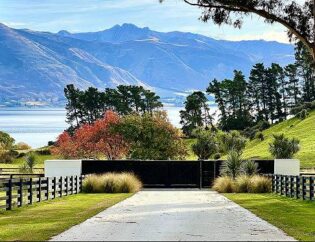
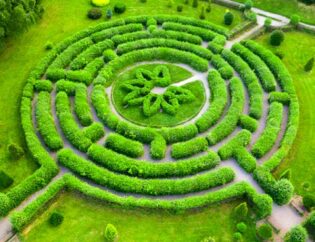
The tempo of space is shaped by multiple design decisions. One of the most influential factors is the geometry of movement. Route width, turning radius, the sequence of unfolding views, and spatial compression or expansion all affect movement speed. Narrow corridors, sharp turns, and overly linear routes tend to accelerate movement, while soft curves, layered pathways, and gradual visual reveals encourage slowing down. At Ecolandscape Studio, we analyze movement scenarios and observe that strong landscape design can influence human speed without imposing direct restrictions – purely through spatial composition.
Visual complexity also plays a major role. An environment that offers nothing for the eye to engage with is perceived as purely transitional. People move through it automatically without forming emotional attachment. In contrast, spaces with carefully positioned focal points, layered textures, green compositions, and subtle visual accents create a desire to stay longer. Balance, however, is essential. Excessive visual complexity creates stress rather than engagement. Specialists at Ecolandscape Studio note that premium environments operate through controlled visual rhythm, where each accent appears at the right moment and never overloads perception.
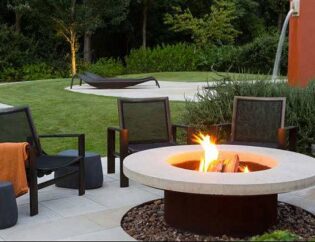
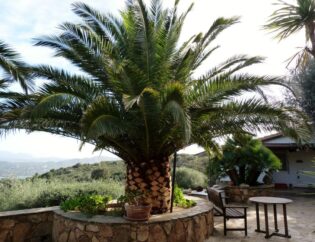
Micro-rest moments are equally important – small spatial pauses that naturally invite people to stop. These may include shaded areas, water features, seating pockets, semi-private terraces, or viewing points. Such zones transform a space from a transit route into a complete experience. At Ecolandscape Studio, we believe quality landscaping should create not only movement, but also moments of intentional pause. When a space allows people to slow down, it begins to function on a deeper level – not only visually, but emotionally.
From a commercial perspective, tempo design directly influences real estate value. The longer people remain in a space and the stronger their emotional engagement, the higher the perceived value of the project. Longer dwell time increases resident loyalty, enhances the attractiveness of hospitality environments, and improves the commercial performance of mixed-use developments. At Ecolandscape Studio, we see tempo management as a new direction in landscape architecture, where premium quality is defined not only by visual beauty, but also by a space’s ability to shape time, attention, and the depth of human interaction. These are the environments that become truly memorable and valuable.