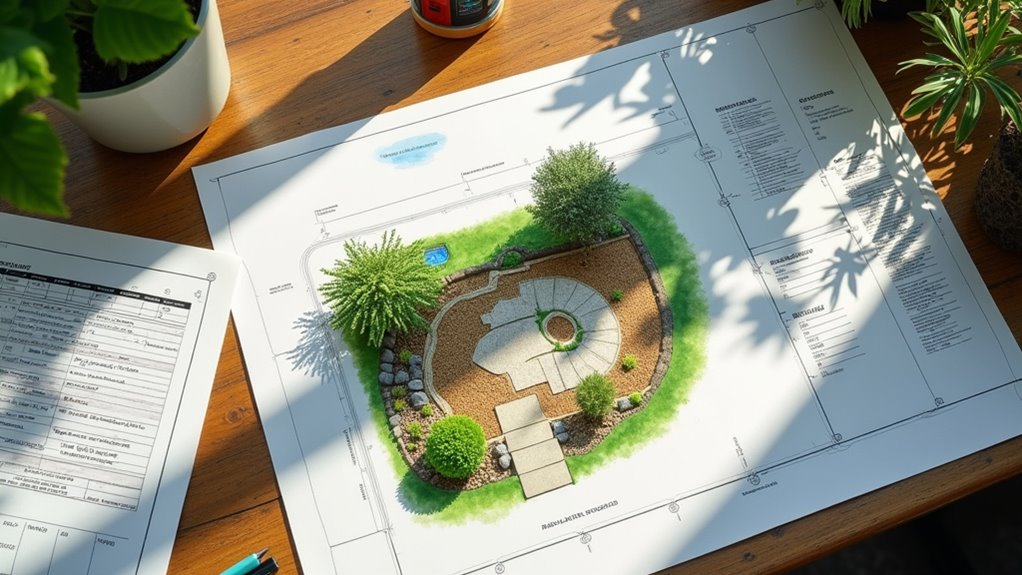
Creating a beautiful, functional, and long-lasting landscape requires careful planning, a sequence of actions, and the integration of engineering solutions. This is especially important for large plots with multiple zones, such as terraces, lawns, decorative plantings, irrigation, and lighting systems. In the Ecolandscape Studio blog, we share our experience with step-by-step project execution so that clients can control their budget, timelines, and quality of work while enjoying the transformation of their property even during implementation.
Martin Palma, founder and CEO of Ecolandscape Studio, notes that phased project execution allows homeowners to see their property come to life, make informed decisions, and maintain budget control at every stage. This approach is particularly effective for complex projects with multiple zones, where maintaining both aesthetics and functionality is crucial. It reduces the risk of errors, allows for the integration of engineering systems without damaging completed elements, and provides the flexibility to adjust the project as work progresses.
Site Analysis and Goal Setting
Every project begins with a thorough analysis of the site. This includes studying the terrain, soil type, lighting, wind direction, and existing utilities. This stage involves measurements, photo documentation, and discussions with the client about the desired landscape functions — where the recreation area, lawn, decorative plants, and engineering systems will be located. Early understanding of the site condition allows planning for drainage, irrigation, and winter maintenance. At Ecolandscape Studio, we discuss the property’s functions, budget priorities, and the client’s visual preferences to determine which zones should be implemented first and which can be added later.
Master Plan Development
Based on the analysis, a master plan is created, showing all zones, decorative plantings, engineering networks, and circulation paths. The master plan helps visualize the entire landscape and understand how different parts of the property are connected. It indicates the location of terraces and paths, spots for large plants and trees, irrigation and lighting routes, visual axes, and key focal points such as fountains, sculptures, or decorative plant islands. This plan becomes the foundation for all subsequent work and prevents haphazard decisions on-site.
Installation of Engineering Systems
Special attention at the start of work is given to engineering systems. Automated irrigation with pipes and sensors ensures even watering of lawns and flowerbeds, while lighting installed under surfaces and around recreation areas makes the property comfortable in the evening. Drainage and water diversion are especially important on sloped plots and ensure healthy root conditions for plants. Installing engineering systems at the initial stage saves time and costs, protects finished areas from damage, and simplifies future maintenance.
Soil Preparation and Earthworks
After installing engineering systems, soil preparation begins. Unwanted plants and roots are removed, the terrain is leveled, fertilizers are applied, and pH is adjusted. If necessary, geotextile is laid to separate soil layers and prevent weed growth, and a sand base is prepared under hard surfaces. Proper soil preparation is essential for plant health and the longevity of all surface coverings and landscape elements.
Construction of Hardscapes
Once the soil is prepared and engineering systems are installed, terraces, paths, and recreation areas are constructed. Material selection should consider durability, safety, and aesthetic alignment with the property’s style. Natural stone adds texture and longevity, porcelain tiles with anti-slip surfaces are suitable for pools and terraces, wooden decking creates a warm atmosphere, and gravel or decorative stones work well in less trafficked areas and blend harmoniously with greenery. Surface materials should match usage conditions and the local climate to maintain appearance and safety for years.
Planting and Greening
After hardscaping comes the planting stage. Thoughtful combinations of plants by height, color, blooming season, and care requirements create a harmonious and sustainable landscape. Conifers and perennials provide structure, seasonal flowering plants add accents, and mature specimens create focal points. To reduce maintenance and enhance plant resilience, species suited to the site’s climate, lighting, and soil type are chosen. Perennials and evergreens minimize annual replanting and retain decorative appeal even in winter.
Final Touches and Decorative Elements
After planting, decorative elements, garden furniture, small architectural forms, and lighting are added, creating a cozy and personalized space. Lighting not only serves decorative purposes but also highlights recreation areas, pathways, and focal points. Each element is selected to harmonize with the overall landscape style while remaining functional for everyday use.
Quality Control and Team Coordination
Phased project execution allows for quality control at every step. Continuous communication between designers, engineers, and contractors ensures timely resolution of issues and adherence to standards. Homeowners stay involved, see the results of each stage, and can make adjustments without compromising the overall design.
Step-by-step landscape project execution is a strategic approach that allows for managing budgets, timelines, and quality, integrating engineering systems without damage, observing the gradual transformation of the property, and making informed decisions. Collaborating with the Ecolandscape Studio team ensures professional execution of each stage and the creation of a beautiful, functional, and sustainable landscape that will bring joy to you and your family throughout the project implementation process.









