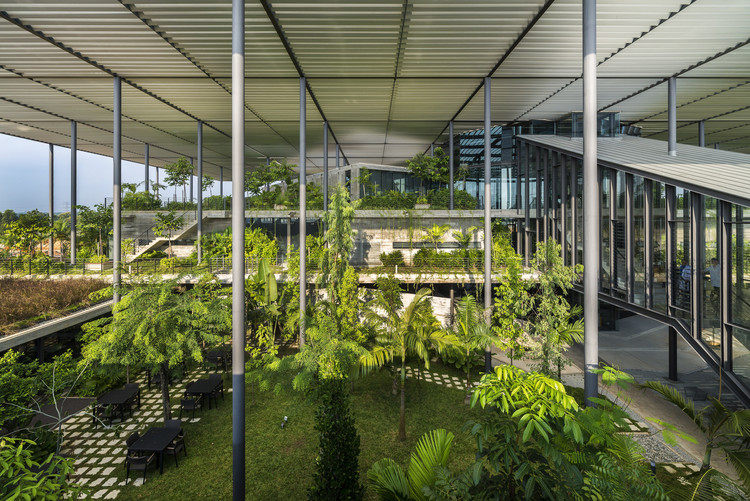
Modern cities are facing a number of ecological challenges: air pollution, lack of green spaces, and rising temperatures due to urban sprawl. The desire to integrate nature into urban environments has become increasingly relevant. Biophilic design is a real step towards restoring the connection between humans and nature. At Ecolandscape Studio, we actively incorporate the principles of biophilic design into landscape architecture, creating harmonious and sustainable spaces that promote ecological safety and enhance the quality of life in cities.
What is Biophilic Design and Why is it Necessary?
Biophilic design is an approach to planning that focuses on integrating natural elements into architecture and landscapes. It is an attempt to bring nature back into daily life and make it an essential part of urban environments. The application of biophilic design covers all aspects of interacting with nature, from plant selection to the creation of water features that help improve the environment.
Martin Palma, founder and CEO of Ecolandscape Studio, believes that biophilia is much more than simply decorating spaces with plants: «It’s a philosophy that changes our perception of the surrounding environment. We aim to create spaces that are not only aesthetically beautiful but also ecologically functional. Biophilic design helps us find a balance between the urban environment and nature.»
How Biophilic Design Impacts Ecology and Health
Green plantings play a crucial role in improving air quality by reducing carbon dioxide levels and other pollutants. The use of native plants, such as trees, shrubs, and ground covers, helps reduce air pollution and mitigates the effects of urban heat islands. These plants activate natural purification processes, improve water exchange, and create cool microclimates during hot summer days.
A key element of biophilic design is the creation of habitats for animals and insects. Including plants that attract bees and butterflies contributes to improving biodiversity in cities, creating an ecosystem where all elements are interconnected. This approach not only increases the population of beneficial insects but also helps maintain local ecosystems.
Contact with nature has a positive impact on mental and emotional health. Biophilic design goes beyond enhancing the aesthetic appearance of urban spaces; it creates areas for rejuvenation and relaxation. Elements like water features, green roofs, and vertical gardens allow urban dwellers to enjoy nature while reducing stress levels.
How to Integrate Biophilic Design into Landscape Architecture
Using Local Ecosystems and Plants: One of the key principles of biophilic design is the use of native plants that are ideally adapted to the region’s climate and soil conditions. These plants require minimal care and help maintain ecological balance. For arid regions, succulents, cacti, and agaves are ideal; for more temperate climates, native grasses, shrubs, and perennials are preferable.
Implementing Water Features and Systems: An important element of biophilic design is the efficient management of water resources. Using rainwater catchment systems, installing drip irrigation, and creating ponds and water features not only improve the aesthetic appearance of a site but also create a functional system to maintain ecosystem balance. Water features become habitats for numerous aquatic and riparian species and help retain moisture in the soil.
Using Natural Materials: For creating a sustainable and harmonious landscape, it’s important to use natural materials like wood, stone, gravel, and sand. These materials promote drainage, improve soil structure, and prevent erosion. Stones can be used to stabilize slopes, while wood is perfect for creating garden elements such as walkways, pergolas, and gazebos.
Creating Green Roofs and Vertical Gardens: When space is limited, green roofs and vertical gardens offer an effective solution. They not only increase green space but also improve building insulation, reducing energy consumption. These solutions can use drought-resistant plants that require minimal water and fertilizers.
Optimizing Lighting and Energy Usage: When designing biophilic landscapes, it’s crucial to consider not only plants but also the use of natural lighting and energy. For example, installing solar panels to light walkways and recreational areas, and creating open spaces where sunlight can effectively warm the area, significantly reduces energy consumption and minimizes the environmental impact.
Successful Examples of Biophilic Projects
Many cities are beginning to adopt biophilic design to improve urban ecosystems. Singapore is a prime example. The Gardens by the Bay project, which includes vertical gardens, green roofs, and water features, not only attracts tourists but also plays a critical environmental role by improving air quality and creating spaces for residents to relax.
Another successful example is Amsterdam, where projects to create green roofs and green public spaces are actively being implemented. This contributes to preserving nature and improving the city’s ecology.
Biophilic design is not just about decorating urban spaces with plants; it is an effective way to address ecological problems, enhance quality of life, and create a harmonious environment for both people and nature. At Ecolandscape Studio, we believe that biophilic design is the future of landscape architecture, and we incorporate its principles into every project. We create spaces that are not only beautiful and functional but also support the balance of nature and ecology, promoting the sustainable development of urban environments.
As Martin Palma notes, «Biophilic design is a philosophy aimed at creating ecologically safe and harmonious solutions that contribute to the preservation of natural resources and harmony with the surrounding environment.»









