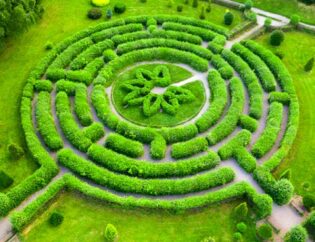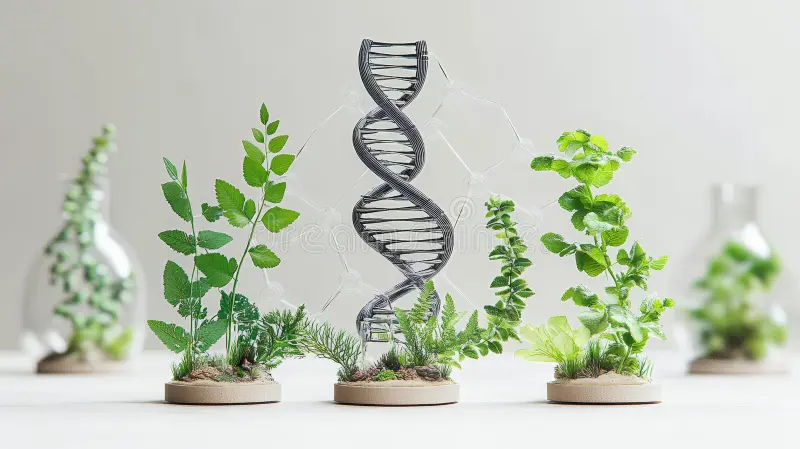
At Ecolandscape Studio, we see how the use of plant genetics in landscape design has become not just a trend, but a true revolution, opening new horizons for creating sustainable, unique, and environmentally friendly landscapes. Modern genetic engineering methods allow not only improving the decorative characteristics of plants but also giving them unique qualities that address ecological challenges and climate changes. In this article, we will explore how plant genetics can transform landscape design and the opportunities it opens for creating functional and harmonious spaces.
Plant Genetics and Resilience to Environmental Changes
One of the most important aspects of using genetics in landscape design is creating plants that are resilient to adverse conditions. In the face of global climate change, where droughts, temperature fluctuations, and air pollution are becoming more frequent, plant resilience to such conditions plays a key role. Genetically modified plants can survive in harsher climate conditions, use water more efficiently, and adapt to droughts.
The creation of plant varieties that are resistant to diseases, pests, and extreme weather conditions such as intense heat or frost has become possible due to advancements in genetic engineering. For instance, the development of plants that require less maintenance and can survive with limited water supply is of great importance for creating environmentally safe landscapes in arid regions. These plants are real heroes for designers working in areas with water scarcity and the need to reduce the burden on natural resources.
Ecological Benefits of Genetically Modified Plants
However, plant resilience is not their only role in landscape design. Plant genetics also enables the creation of varieties that help clean the environment. One such direction is the development of phytoremediation plants that cleanse water and soil from pollutants. These plants can absorb toxic substances such as heavy metals and pesticides and convert them into safe compounds. In urban landscapes, such plants can be used to clean water polluted by industrial emissions or to combat soil contamination.
In urbanization contexts, where air and water pollution issues are increasingly pressing, the use of genetically modified plants becomes especially important. Plants that are resistant to air pollution can become an integral part of urban landscapes, purifying the air from harmful substances such as carbon dioxide, nitrogen dioxide, and heavy metals. This contributes to the creation of not only beautiful but also ecologically safe spaces.
Genetics as a Means of Creating Unique Decorative Plants
Plant genetics also allows designers to create not just plants, but unique landscape elements with unusual decorative properties. Through genetic engineering, varieties with unique colors, textures, and forms can be created, giving the designer the ability to work with plants that are perfectly suited to a specific style or concept.
Genetic modifications can achieve changes in a plant’s color palette, resulting in shades that cannot be obtained through traditional breeding methods. For example, plants with unusual foliage colors or bright, atypical flower hues can become focal points in landscape compositions, adding originality and individuality to the design. Moreover, genetic modifications can enhance plants’ resistance to fading, maintaining the vibrancy of their decorative features for extended periods.
Plant Resilience to External Impacts
Modern urban landscapes face numerous external factors that negatively affect plant health. These include air pollution, mechanical damage, and extreme temperature fluctuations. Plant genetics enables the creation of varieties that can withstand these impacts. For example, plants that are resistant to vibrations and pollution can be used in areas with heavy traffic or regions with high pollution levels.
At Ecolandscape Studio, we emphasize that plants in our projects should not only serve decorative functions but also effectively cope with urban environmental conditions. Genetically modified plants that can survive in such conditions are not only ornamental but also crucial components of the ecosystem.
Practical Application of Genetics in Landscape Design
More and more landscape designers are starting to incorporate advances in genetic engineering to create resilient and functional landscapes. Thanks to modern genome-editing technologies, such as CRISPR, plants can be adapted to specific conditions. This allows the creation of not only decorative but also ecologically beneficial plants capable of purifying air, water, or soil, absorbing carbon dioxide, and improving environmental quality.
Additionally, genetics allows the creation of plants with improved characteristics for specific climates. For example, in areas with high temperatures and frequent droughts, plants can be used that consume less water while maintaining their decorative appeal. In colder regions, varieties can be created that survive low temperatures and continue to grow even during a short growing season.
The Future of Genetics in Landscape Design
Each year, plant genetics becomes more accessible and relevant for landscape designers. In the future, we can expect genome-editing technologies to open new possibilities for creating even more unique and functional plants. Plant genetics will continue to evolve, producing varieties that are resistant to climate change, capable of purifying polluted water and air, and improving soil quality.
As Martin Palma, the founder and CEO of Ecolandscape Studio, notes, «In our work, it’s important not just to create beautiful gardens but to consider ecological aspects. Plant genetics opens new horizons for sustainable design. It allows us to create not only decorative spaces but also improve the quality of life in cities, transforming them into greener and more environmentally safe zones.»
Plant genetics greatly expands the possibilities of landscape design, offering new tools for creating resilient, unique, and environmentally friendly spaces. With modern technologies, plants can be developed that not only delight the eye but also perform important ecological functions. At Ecolandscape Studio, we are confident that in the future, plant genetics will become an integral part of landscape design, ensuring longevity and harmony between humans and nature.