Summer in Orange County brings longer days, higher temperatures, and a sharp rise in outdoor water use. For homeowners who care about their yard landscaping design and want to keep their gardens healthy without wasting resources, this season is a real test. Orange County Utilities has been actively encouraging residents to shift toward smarter irrigation habits as peak summer watering demand puts pressure on the local water supply. For anyone thinking about residential landscape design or planning updates to their outdoor living space, this is a good moment to look at how your watering approach fits into the bigger picture.
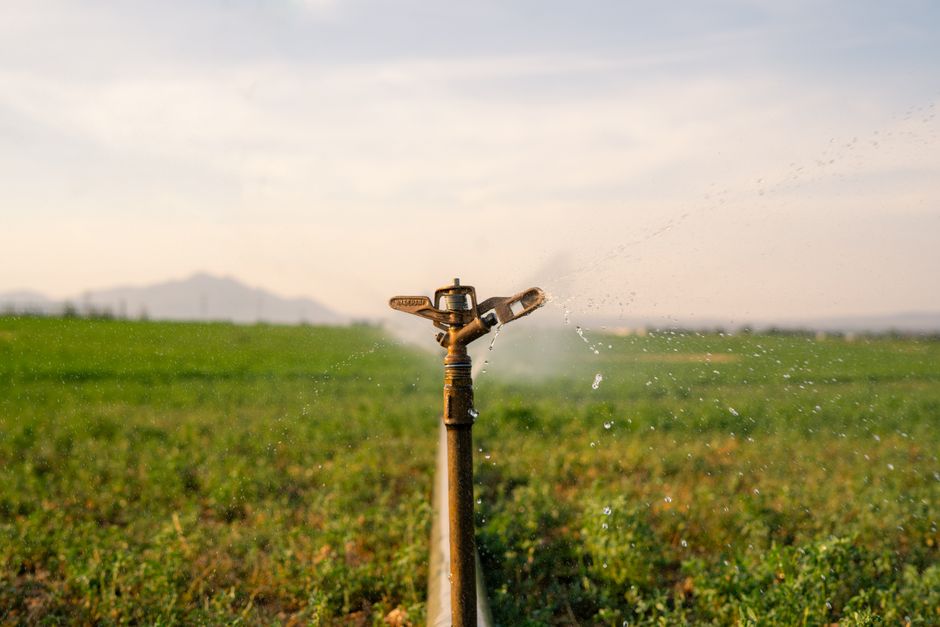
The core message from Orange County Utilities is straightforward: water your lawn and garden only when plants actually need it, and do it at the right time of day. Watering between 4 a.m. and 8 a.m. is recommended because cooler temperatures and lower wind speeds reduce evaporation. Watering during midday heat means a significant portion of that water never reaches plant roots. This single adjustment can make a noticeable difference in both water bills and the health of your planting design.
Smart irrigation goes beyond just setting a timer. Orange County Utilities encourages the use of Florida-friendly landscaping principles, which align closely with what landscape designers have been recommending for years. These include grouping plants with similar water needs together, using mulch to retain soil moisture, and adjusting irrigation schedules based on seasonal rainfall rather than running the system on a fixed schedule year-round.
Rain sensors and soil moisture sensors are practical tools that prevent irrigation systems from running after rainfall. Many homeowners are surprised to learn their systems have been watering during or right after rain events simply because no one adjusted the controller. Installing a sensor is a low-cost upgrade that pays for itself quickly, and it fits naturally into any low maintenance garden design strategy.
Choosing the right plants also plays a major role. Native plant garden design and drought tolerant garden design are not just aesthetic trends — they are practical responses to Florida’s climate. Plants that are adapted to local conditions require far less supplemental irrigation once established. This directly reduces water use during summer peaks and supports a more sustainable approach to home garden design.
Martin Palma, founder and CEO of Ecolandscape Studio, has seen this pattern consistently across residential projects. In his experience, most irrigation overuse comes not from bad intentions but from outdated schedules that were set once and never revisited. When his team reviews an existing landscape, one of the first things they check is whether the irrigation zones match the actual plant types and sun exposure in each area. A lawn area and a native plant bed have completely different water needs, and treating them the same way wastes water and stresses plants at the same time.
For homeowners looking to align their backyard landscaping ideas or front yard landscaping ideas with smarter water use, a few practical steps make a real difference. First, walk your property and check for any irrigation heads that are spraying onto pavement, driveways, or structures. This is one of the most common sources of waste and is easy to fix with a simple adjustment or head replacement.
Second, consider whether parts of your yard could benefit from lawn alternatives. Traditional turf grass is one of the highest water consumers in a residential landscape. Replacing sections with ground covers, ornamental grasses, or xeriscape garden design elements can significantly reduce irrigation demand while also improving the visual character of the space.
Rain garden design is another option worth exploring for properties that experience runoff during heavy summer storms. A well-placed rain garden captures stormwater, allows it to absorb into the soil, and supports pollinator garden design by incorporating native flowering plants that thrive in those conditions.
Mulching is one of the simplest and most effective tools available. A 2 to 3 inch layer of mulch around planting beds reduces evaporation, moderates soil temperature, and cuts down on how often you need to water. It also improves the finished look of any outdoor living space design and reduces weeding time.
The broader shift toward water wise landscaping is not about sacrificing a beautiful yard. It is about designing and maintaining a landscape that works with the local climate rather than against it. Orange County homeowners who take this summer as an opportunity to review their irrigation habits, update their planting design, and make a few targeted improvements will likely see both lower water bills and healthier plants by the end of the season. Small changes made now tend to compound over time, and a well-designed, water-efficient landscape adds genuine long-term value to any property.