Some of the most thoughtful garden designs don’t begin on paper. They begin with a walk, a moment of noticing, or a quiet afternoon spent watching how light moves across a hillside. That’s exactly how the story behind this award-winning Bury garden started — with a simple dog walk through the Kirklees Valley that sparked a vision for a residential landscape design that would eventually earn national recognition.
The garden belongs to a homeowner who had long admired the natural character of the local countryside. The rolling textures, the layered planting, the way native plants settle into the land without forcing themselves on it — all of that became the foundation for a home garden design that feels genuinely rooted in its surroundings. Rather than imposing a style onto the space, the design grew from what was already there in the landscape nearby.
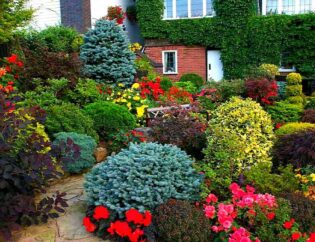
What makes this project stand out is how closely the planting design mirrors the ecology of the Kirklees Valley itself. Native plant garden design played a central role, with species chosen not just for appearance but for their relationship to local wildlife, soil conditions, and seasonal change. The result is a yard landscaping design that shifts beautifully through the year, offering something different in every season without requiring constant intervention.
Pollinator garden design was woven into the planting scheme from the start. Flowering plants were selected to support bees, butterflies, and other beneficial insects, which also reduced the need for chemical inputs. This approach sits naturally within the broader movement toward low maintenance garden design — when plants are well matched to their environment, they tend to look after themselves far more effectively than exotic species that need constant attention.
The garden also incorporates thoughtful garden edging ideas that define spaces without making the layout feel rigid or over-engineered. Soft transitions between planted areas and open ground give the space a naturalistic quality that echoes the valley landscape that inspired it.
Martin Palma, founder and CEO of Ecolandscape Studio, has seen this kind of place-led design approach deliver some of the most lasting results in residential landscape work. In his experience, gardens that begin with careful observation of the surrounding landscape — rather than a catalogue of trends — tend to age far more gracefully. When a client understands why each plant or material was chosen, they also tend to care for the garden differently, with more patience and curiosity than anxiety.
The Bury garden offers several ideas that translate well to other properties, regardless of size or setting. One of the clearest is the value of starting with what you already have around you. Before committing to a planting scheme or layout, spend time in your local landscape. Notice which plants thrive naturally, how water moves across the land, and where shade falls at different times of day. That kind of observation is free, and it tends to produce better outcomes than any design trend.
For homeowners working with limited space, small backyard design can benefit enormously from this naturalistic approach. A tightly planted mix of native species, combined with considered garden edging ideas and simple landscape lighting ideas to extend the usable hours of the space, can transform even a modest backyard into something genuinely beautiful and functional.
Water wise landscaping is another principle embedded in this project. By choosing plants adapted to local rainfall patterns and avoiding unnecessary hard surfaces, the garden manages moisture naturally. This connects directly to rain garden design thinking, where the landscape is shaped to absorb and use water rather than shed it. For anyone dealing with drainage challenges or dry summers, these principles offer practical and cost-effective solutions.
Privacy landscaping was also addressed through planting rather than fencing, using layered shrubs and taller perennials to create enclosure that feels organic rather than constructed. This is a detail that makes a significant difference to how comfortable an outdoor living space design feels in everyday use.
The recognition this garden received is a reminder that award-winning landscape design doesn’t have to be dramatic or expensive. It can be quiet, considered, and deeply connected to place. The best front yard landscaping ideas and backyard landscaping ideas often come from paying attention to what the land is already trying to tell you — and then working with it rather than against it.
If you’re planning a garden project and want to bring that same sense of rootedness to your own property, the starting point is simpler than most people expect. Go for a walk. Look at what grows well nearby. Think about what the space needs rather than what you think it should look like. That’s where good landscape design begins.