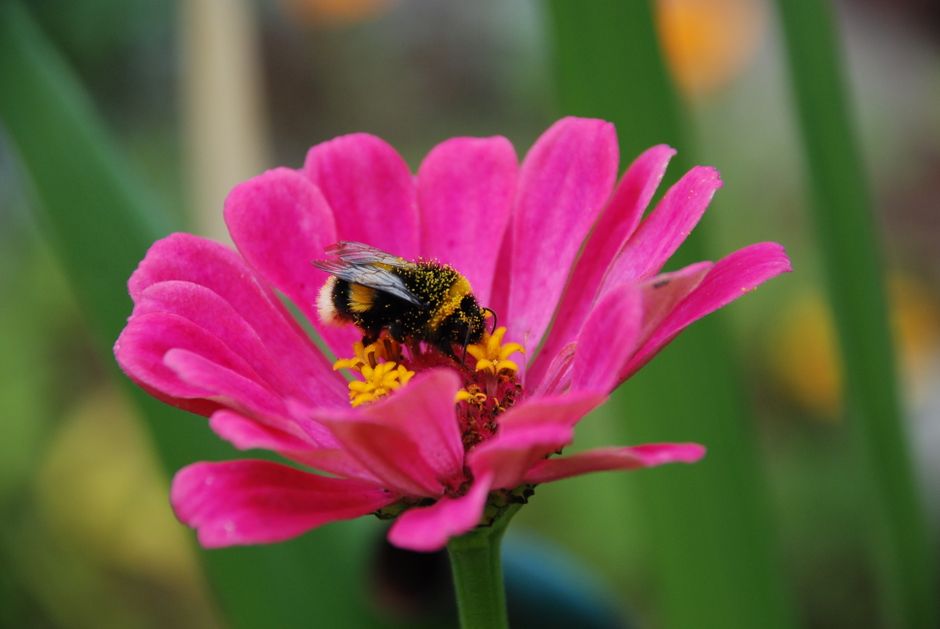
You put in the effort. You planted flowers, maybe added a birdbath, and hoped for a yard buzzing with life. But the bees are not showing up, the butterflies pass right through, and your garden feels quieter than it should. This is more common than most homeowners realize, and the reasons behind it are often hiding in plain sight within the planting design and overall yard landscaping choices you have already made.
At Ecolandscape Studio, we work with residential landscape design every day, and pollinator activity is one of the clearest signs of a healthy, well-balanced outdoor space. When pollinators skip a garden, it usually points to something specific that can be fixed with the right adjustments.
One of the most overlooked issues is the use of pesticides and herbicides. Even products labeled as safe or organic can disrupt pollinator behavior when applied at the wrong time or in the wrong way. Systemic pesticides in particular can be absorbed by plants and end up in pollen and nectar, making flowers toxic to the very insects you want to attract. If your home garden design includes any chemical treatments, reviewing the timing and type of products used is a smart first step.
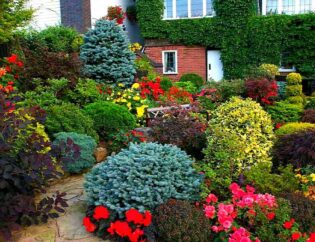
Another common problem is a lack of plant diversity. A garden with only one or two flowering species will attract limited pollinator traffic. Native plant garden design works so well precisely because it offers a wide variety of bloom shapes, sizes, and flowering periods. Different pollinators have different physical needs. A bumblebee and a small native bee do not feed from the same flower types, so variety in your planting design matters more than volume.
Bloom timing is equally important. Many homeowners plant flowers that all bloom at once, leaving the garden bare for most of the season. A well-planned pollinator garden design staggers blooms from early spring through late fall, giving bees and butterflies a reliable food source across the entire growing season. This is one of the most practical backyard landscaping ideas for anyone serious about supporting local wildlife.
The condition of your soil also plays a role. Ground-nesting bees, which make up a significant portion of native bee species, need access to bare or lightly covered soil. Dense mulch layers, compacted ground, or complete lawn coverage can eliminate nesting opportunities entirely. Lawn alternatives like low-growing native groundcovers or gravel patches near garden beds can open up nesting habitat without sacrificing the look of your outdoor living space design.
Martin Palma, founder and CEO of Ecolandscape Studio, has seen this pattern repeat across dozens of residential projects. In his experience, clients often focus entirely on what they plant and forget about what surrounds the planting. A garden bed filled with native flowers but bordered by a chemically treated lawn or a solid concrete patio edge creates a barrier that pollinators sense and avoid. Addressing the full context of the yard, not just the flower bed, is what actually shifts pollinator activity.
Water access is something many gardeners overlook. Pollinators need shallow, clean water sources nearby. A small dish with pebbles and fresh water placed near garden beds can make a meaningful difference, especially during dry summer months. This pairs naturally with water wise landscaping and drought tolerant garden design, where every element of the yard is considered for its function.
Color and fragrance matter more than most people expect. Pollinators are drawn to specific colors, particularly blues, purples, yellows, and whites. Heavily hybridized ornamental plants, while visually striking, often have reduced nectar and pollen production. Choosing species that retain their original flower structure, especially those common in native plant garden design, gives pollinators what they actually need rather than what looks impressive in a catalog.
Shelter is another factor. Dense shrubs, ornamental grasses, and layered planting design give pollinators places to rest, hide from wind, and overwinter. A garden that is too tidy, with everything cut back in fall and no leaf litter left on the ground, removes the habitat that many beneficial insects depend on to survive cold months.
Lighting can also interfere with nocturnal pollinators like moths. Landscape lighting ideas for pollinator-friendly yards should favor warm-toned, low-intensity fixtures placed away from flowering plants. Bright white lights near garden beds can disorient moths and reduce their effectiveness as nighttime pollinators.
Making a yard genuinely welcoming to pollinators does not require a complete redesign. It usually means making more intentional choices within the planting design, reducing chemical use, adding water and shelter, and selecting plants that offer real nutritional value. These are the kinds of decisions that improve not just pollinator activity but the overall health and resilience of any residential landscape design. A garden that works with nature rather than against it tends to look better, require less maintenance, and feel more alive throughout the seasons.