For the past decade, clean lines, neutral tones, and stripped-back planting have dominated residential landscape design. Minimalism had its moment, and it made sense for a while. But something is shifting. Homeowners are growing tired of sparse, almost sterile outdoor spaces, and the garden world is responding with a bold return to abundance, texture, and layered planting design that feels more alive than anything we’ve seen in years.
The trend making a comeback in 2026 is rooted in centuries of garden history. Maximalist garden design, with its rich mix of colors, dense plantings, and expressive use of space, is reclaiming its place in both front yard landscaping ideas and backyard landscaping ideas across the country. This is not a passing aesthetic moment. It reflects a deeper shift in how people want to feel in their outdoor living spaces.
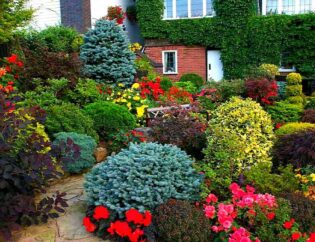
Maximalist planting design is not about chaos. It is about intentional abundance. Think layered borders filled with flowering perennials, ornamental grasses, climbing plants on trellises, and ground covers that leave almost no bare soil visible. The goal is a garden that feels full, generous, and seasonally dynamic.
This approach draws heavily from the cottage garden tradition, which dates back centuries in English and European garden culture. Cottage-style planting mixes edible and ornamental plants, encourages self-seeding, and celebrates imperfection. In 2026, this aesthetic is being updated with modern priorities like drought tolerant garden design, native plant garden design, and pollinator garden design.
The result is a style that looks lush and romantic but is often more practical than it appears. Dense planting suppresses weeds naturally, reduces the need for mulching, and creates habitat for beneficial insects. Many maximalist gardens are actually low maintenance garden designs once established, because the plants do much of the work themselves.
Martin Palma, founder and CEO of Ecolandscape Studio, has observed this shift directly in client conversations over the past two years. In his experience, homeowners who once asked for clean, minimal layouts are now bringing in reference images full of layered borders, wild-looking meadow patches, and richly planted patios. What they are really asking for, he notes, is a garden that feels like it belongs to nature rather than fighting against it. That instinct aligns well with sustainable landscaping principles and makes the design process more rewarding for everyone involved.
If you are drawn to this direction, the good news is that maximalist garden design works across a wide range of property sizes and climates. For small backyard design, the key is vertical layering. Use climbing plants, tall grasses, and tiered planting beds to create a sense of depth and fullness without overwhelming the space.
For front yard landscaping ideas, consider replacing traditional lawn areas with mixed planting beds that combine native plants, flowering perennials, and low-growing ground covers. This approach supports water wise landscaping and xeriscape garden design principles while delivering strong visual impact. Lawn alternatives like creeping thyme, clover, or ornamental sedge can anchor the design and reduce irrigation needs significantly.
Landscape lighting ideas also play a role in maximalist outdoor spaces. Layered planting looks especially beautiful with well-placed uplighting that highlights texture and depth after dark. Garden edging ideas help define the boundaries between planted areas and pathways, keeping the design readable even when the planting is dense.
Privacy landscaping fits naturally into this trend as well. Tall ornamental grasses, layered shrubs, and climbing plants on pergolas or fences create green screens that feel organic rather than constructed. This is far more appealing than a solid fence and contributes to the overall sense of a living, breathing outdoor environment.
For those in fire-prone regions, fire resistant landscaping principles can still be applied within a maximalist framework. Choosing the right plant species, maintaining appropriate spacing in the first few meters around the structure, and incorporating rain garden design elements for water management all allow for a lush aesthetic without compromising safety.
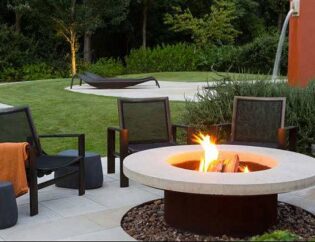
Patio landscaping ideas in this style often include container planting, raised beds built into the patio edge, and climbing plants framing the seating area. The goal is to blur the line between the built structure and the planted garden, creating an outdoor living space design that feels immersive rather than decorative.
Modern garden design in 2026 is finding a productive middle ground between the wild and the structured. The best maximalist gardens are not random. They are carefully planned to deliver year-round interest, support local ecology, and require less intervention over time. That balance between beauty and function is exactly what good yard landscaping design has always been about.
If you have been feeling that your garden lacks personality or warmth, this trend is worth exploring. Start with one border, one corner, or one container grouping. Let the planting breathe and build from there. The results tend to surprise people in the best possible way.